Understanding Market Trends: A Plain-English Guide to Economic Indicators
Decoding the Economic Maze: Why Market Trends Matter
Have you ever scrolled through the news, saw headlines about economic indicators, and felt like you needed a degree in rocket science just to understand them? You aren’t alone! Understanding market trends isn’t just for Wall Street sharks; it is a vital skill for anyone wanting to make smarter financial decisions in their daily life. Think of economic indicators as the vital signs of our country’s health, giving us a peek behind the curtain of how money moves. When we learn to track these markers, we stop guessing and start anticipating where the economy is headed next. By breaking down complex data into plain English, we can identify opportunities before they become obvious to everyone else. In this guide, we will peel back the layers of these trends to give you a clear roadmap for navigating the financial landscape with confidence. Whether you are an investor, a small business owner, or just curious, getting a grip on these concepts will empower you. Let’s start this journey by simplifying the noise and focusing on the signals that actually move the needle. 📈
The Big Three: GDP, Inflation, and Unemployment
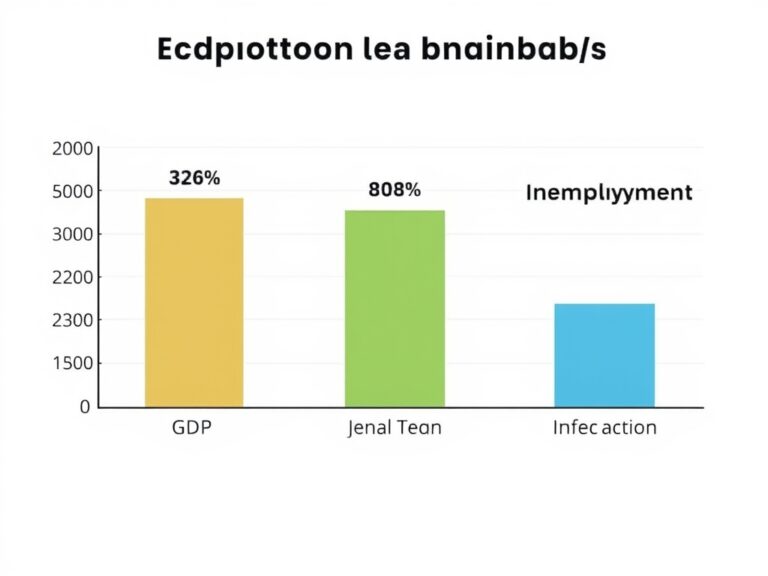
If you only pay attention to three things, make them GDP, inflation, and unemployment rates. These are the heavy hitters that shape our economic reality every single day.
- GDP (Gross Domestic Product): Think of this as the total scoreboard for all goods and services produced in the country.
- Inflation: This measures how much your money is losing its purchasing power over time—the silent thief of your savings.
- Unemployment: This tells us how many people are looking for work, which directly impacts consumer spending power.
When GDP is rising, it usually means businesses are hiring and people are spending, which is a great sign. Conversely, high inflation can pinch your wallet, making everything from gas to groceries feel like a luxury. Unemployment rates are equally critical because they reflect the health of the labor market and consumer demand. By keeping an eye on these three metrics, you gain a massive advantage in understanding the overall trajectory of your personal finances. They are interconnected: high unemployment often leads to lower GDP, which can eventually force central banks to shift interest rate policies. It is a constant balancing act that every investor should be watching closely. 🔍
Consumer Confidence: The Invisible Pulse
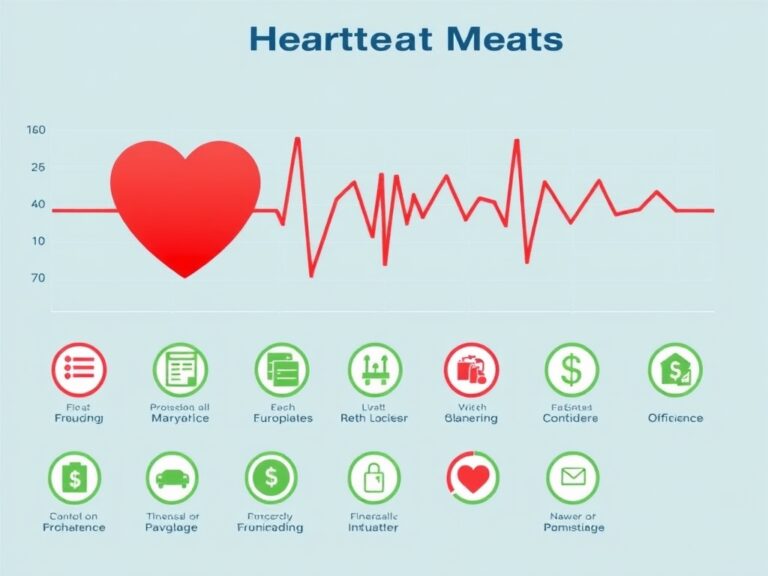
Perhaps one of the most underrated economic indicators is consumer confidence, which basically measures how optimistic or pessimistic people feel about the future. You see, when consumers feel safe in their jobs and happy with their income, they tend to spend more money, which fuels the entire economy. It is essentially the invisible pulse that drives market trends because our economy is heavily consumption-based. When the index drops, it is usually a warning sign that people are hunkering down to save money, which can lead to a slowdown in business growth. Why should you care? Because when people stop spending, businesses start cutting costs, which can eventually impact your own job security or investment portfolios. It is fascinating how a simple survey of feelings can predict market behavior so accurately. Following this metric helps you understand the ‘mood’ of the market before it hits the actual stock exchange floor. Remember, a confident consumer is a spending consumer, and that keeps the wheels of progress turning. 🚀

Interest Rates and Your Future
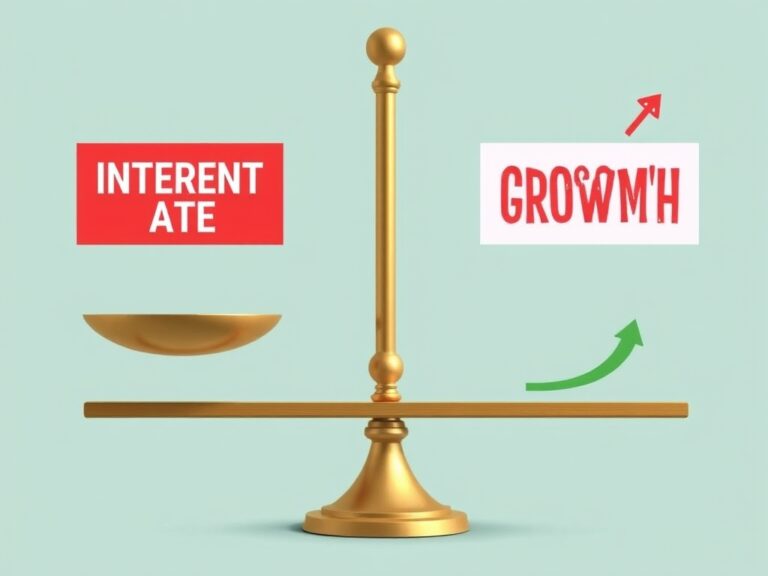
Finally, we cannot talk about market trends without mentioning interest rates, the lever used by central banks like the Federal Reserve to control economic speed. When interest rates are low, it is cheap to borrow money, which encourages people to take out loans for houses, cars, or business expansions. This usually leads to a boom in economic activity and higher stock market performance in the short term. However, if things get too hot, the Fed raises rates to cool down inflation, making borrowing more expensive for everyone. It is a delicate game of ‘Goldilocks’—not too hot, not too cold, but just right. Pro tip: Always monitor central bank announcements because they are the single biggest catalyst for market volatility. If you are planning on buying a home or investing, interest rate trends will dictate your costs and your potential returns significantly. By staying proactive and informed, you can adjust your strategies before these macro shifts catch you off guard. Your financial future is built on these foundational trends, and now you have the tools to track them like a pro. 💡