
Foundational Concepts for Building Long-Term Wealth: A Strategic Guide
Understanding the Mindset of Financial Independence
Building long-term wealth isn’t just about how much money you earn; it is primarily about how you manage what you keep and how you allow that capital to grow over time. Most people look for a ‘get-rich-quick’ scheme, but the truth is that wealth is a marathon, not a sprint, requiring a shift in your psychological approach to money. To start, you must define your financial goals clearly, as having a target—whether it is early retirement or buying a home—gives you the motivation to stay consistent.
- Prioritize saving before spending.
- Eliminate high-interest consumer debt.
- Develop an emergency fund equal to six months of expenses.
This foundational phase is crucial because it creates a safety net that protects you from life’s unexpected turns. By living slightly below your means, you provide yourself with the ‘seed money’ necessary for future investments. It is essential to understand that time is your greatest asset, and starting even with a small amount of money today is infinitely better than waiting until you feel ‘ready.’ Cultivate patience, stay disciplined, and remember that consistent, small habits lead to massive results over decades of compounding interest.

The Magic of Compounding and Strategic Investing
Once you have a solid budget, the next step in your wealth-building journey is to put your money to work through the power of compounding interest. Albert Einstein reportedly called compounding the ‘eighth wonder of the world,’ and when you see your investments grow exponentially, you will understand why. Instead of leaving your savings in a low-interest bank account where inflation erodes its value, consider diversified vehicles like index funds, ETFs, or retirement accounts.
- Focus on low-cost index funds to minimize fees.
- Diversify your assets to manage risk effectively.
- Automate your contributions to remove emotional decision-making.
Investing is not about timing the market; it is about ‘time in’ the market, which is why a ‘set it and forget it’ strategy often outperforms active trading. By reinvesting your dividends, you accelerate the growth of your portfolio, creating a cycle of passive wealth generation. Remember that market volatility is a normal part of the process, and having a long-term perspective will help you avoid panic selling during dips. Your goal should be to build a resilient portfolio that grows quietly in the background while you focus on your career or personal life.

Maximizing Your Human Capital and Revenue Streams
While investing is vital, your ability to earn more—your human capital—is often the biggest driver of wealth accumulation in your early years. You should constantly look for ways to increase your value in the marketplace, whether through acquiring new certifications, learning high-demand skills, or taking on more responsibility at work.
- Negotiate your salary regularly.
- Start a side hustle to create extra income streams.
- Invest in your education and professional network.
By diversifying your income, you reduce the risk of relying on a single paycheck and gain more leverage in your financial planning. Many wealthy individuals create multiple streams of income, such as rental property, dividends, or digital products, which provide stability when the economy is uncertain. It is also important to remember that money spent on yourself—your health, your skills, and your education—often yields the highest return on investment. Do not be afraid to invest in coaches or courses that shorten your learning curve; speed is just as important as consistency. As your income grows, avoid the trap of ‘lifestyle inflation,’ where your spending increases in lockstep with your earnings; instead, funnel the difference directly into your investment accounts.
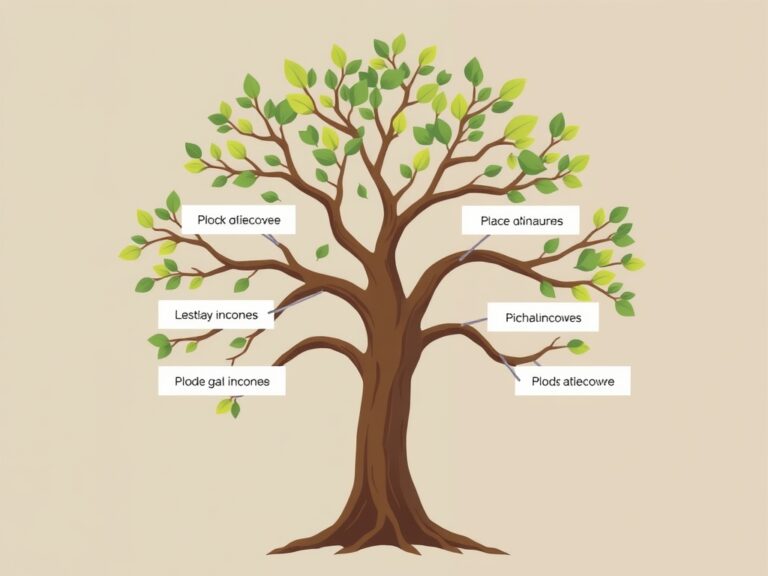
Protecting Your Assets for Future Generations
The final pillar of long-term wealth is the protection and preservation of the assets you have built through hard work and disciplined saving. As your net worth grows, you need to think about tax efficiency and legal safeguards to ensure that you aren’t losing gains to unnecessary costs.
- Use tax-advantaged accounts like IRAs or 401(k)s to their fullest.
- Consult with a financial advisor regarding estate planning.
- Ensure you have adequate insurance coverage to protect against catastrophic loss.
Wealth building isn’t just about accumulation; it is about keeping what you earn, which is why tax strategy is just as important as investment selection. A well-crafted plan considers the ‘end game,’ allowing you to pass wealth to the next generation or support causes that matter to you. Periodically review your financial map to adjust for life events, such as marriage, children, or career changes, ensuring your strategy remains aligned with your values. By staying vigilant and proactive with your asset protection, you secure not only your current lifestyle but your legacy for the years to come. Consistency, combined with smart tax and legal planning, transforms a simple savings habit into a lifelong financial empire that stands the test of time.