

Mastering the Foundational Concepts for Building Long-Term Wealth
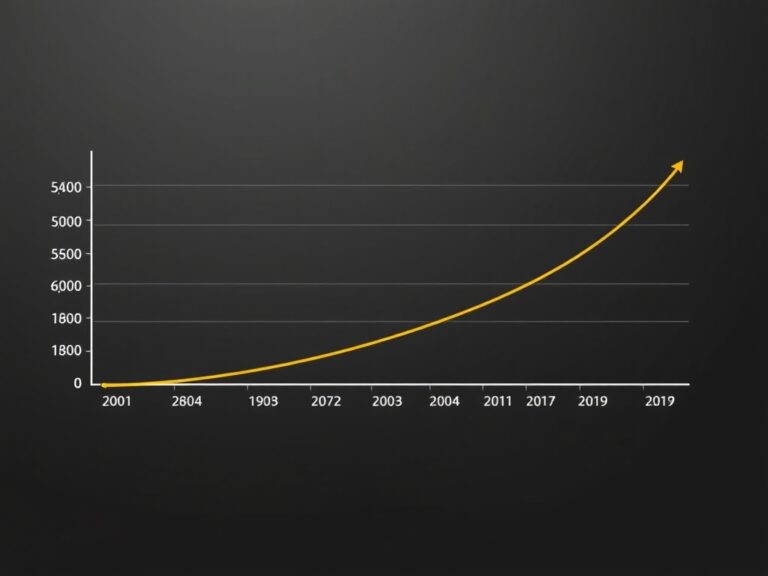
Have you ever wondered why some people seem to effortlessly build long-term wealth while others constantly struggle paycheck to paycheck? It all starts with a fundamental shift in mindset, transitioning from a consumer mentality to an investor mindset. Building wealth isn’t about how much money you make; it is about how much money you keep and how hard that money works for you. The absolute cornerstone of this financial transformation is understanding the incredible power of compound interest. Albert Einstein famously called compound interest the eighth wonder of the world, and for good reason: it allows your earned interest to earn interest of its own over time. When you start investing early, even small amounts can balloon into a massive fortune because of this exponential growth curve. To truly master this concept, you must commit to consistency and patience, understanding that real wealth is grown slowly and steadily. Let’s look at the basic habits required to ignite this compounding effect in your life.
- Pay yourself first: Automatically route a portion of your income to savings before spending on lifestyle.
- Start immediately: Time is your greatest asset, making a dollar invested early worth far more than one invested later.
- Reinvest your dividends: Let your investment gains buy more shares to accelerate the compounding wheel.
By embracing these foundational habits, you shift your trajectory from short-term satisfaction to lifetime security. Remember, financial freedom is not a sprint; it is a marathon where consistency is your ultimate superpower.
Before you can successfully invest and grow your money, you must gain total control over your current cash flow through strategic budgeting. Think of a budget not as a financial straightjacket, but as a roadmap that gives you permission to spend mindfully on things that bring true value to your life. To build substantial wealth, your net cash flow—the difference between what you earn and what you spend—must be consistently positive. This requires a crystal-clear understanding of the difference between assets (things that put money in your pocket) and liabilities (things that take money out of your pocket). Many people stall their wealth-building journey by acquiring fancy liabilities disguised as assets, such as expensive cars or high-maintenance luxury goods. To avoid this trap and optimize your cash flow, consider adopting these highly effective budgeting principles.
- The 50/30/20 Rule: This rule allocates fifty percent of your income to needs, thirty percent to wants, and twenty percent directly to savings and debt repayment.
- Zero-Based Budgeting: This system ensures that you give every single dollar a job at the beginning of the month so that nothing goes wasted.
- Automate Savings: Set up automatic transfers to your investment accounts to remove human error and temptation.
By mastering your cash flow, you ensure that you always have a steady stream of capital ready to deploy into wealth-generating opportunities. It is this discipline that transforms active income into passive wealth over time. Ultimately, managing your monthly cash flow is the gateway to unlocking long-term economic independence.

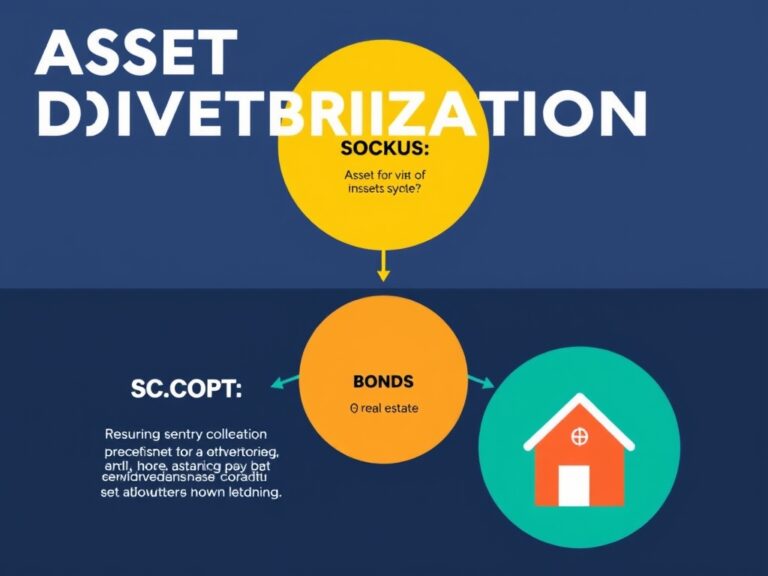
Once you have established a positive cash flow, the next critical step is to deploy your capital into a diversified investment portfolio. Investing is the primary engine of long-term wealth, allowing your money to outpace inflation and grow continuously. However, entering the market without a plan is a recipe for disaster, which is why understanding asset allocation is so vital. Asset allocation is the process of dividing your investments among different asset classes—such as stocks, bonds, and real estate—to balance risk and reward based on your unique goals. By diversifying your investments, you ensure that a downturn in one market sector won’t completely wipe out your entire net worth. For most long-term investors, a simple, low-cost index fund strategy is the most efficient path to success. Here are the core pillars of a resilient investment strategy that stands the test of time.
- Diversification: Help spread your risk across hundreds of different companies and industries worldwide.
- Low Fees: Prioritize low-expense index funds to keep more of your investment returns in your own pocket.
- Dollar-Cost Averaging: Invest a fixed amount of money at regular intervals, regardless of market fluctuations, to lower your average cost per share.
By building your investment strategy on these reliable pillars, you protect yourself from emotional decision-making during market volatility. Keep your eyes on the horizon, ignore the daily market noise, and let the broader economy lift your wealth over the years.
The final component of mastering wealth is not about how to make more money, but how to protect the wealth you have already built. Without proper risk management, a single unexpected medical emergency, job loss, or lawsuit can completely derail decades of hard work. The foundation of any secure financial plan is a fully funded emergency fund, containing three to six months of living expenses kept in a high-yield savings account. Additionally, you must secure adequate insurance coverage—including health, life, and disability insurance—to shield your assets from catastrophic events. As your wealth grows, legacy planning and estate planning also become essential to ensure your assets are distributed according to your wishes. Let us look at the essential safety nets you need to construct to guard your financial fortress.
- Emergency Fund: Maintain a liquid financial buffer that keeps you from selling investments during market downturns.
- Insurance Safeguards: Transfer high-impact financial risks to insurance companies to protect your principal capital.
- Debt Management: Prioritize the elimination of high-interest consumer debt, which acts as a major drag on your wealth creation.
Protecting your wealth is just as crucial as growing it, ensuring that your financial freedom remains permanent. By combining proactive risk mitigation with a disciplined growth strategy, you secure a lasting legacy of abundance for yourself and your loved ones. Ultimately, a true wealth builder understands that defense is just as important as offense in the financial game.