
Market Movements and Economic Indicators: A Plain English Guide to Understanding the Economy
Understanding the Pulse of the Global Economy
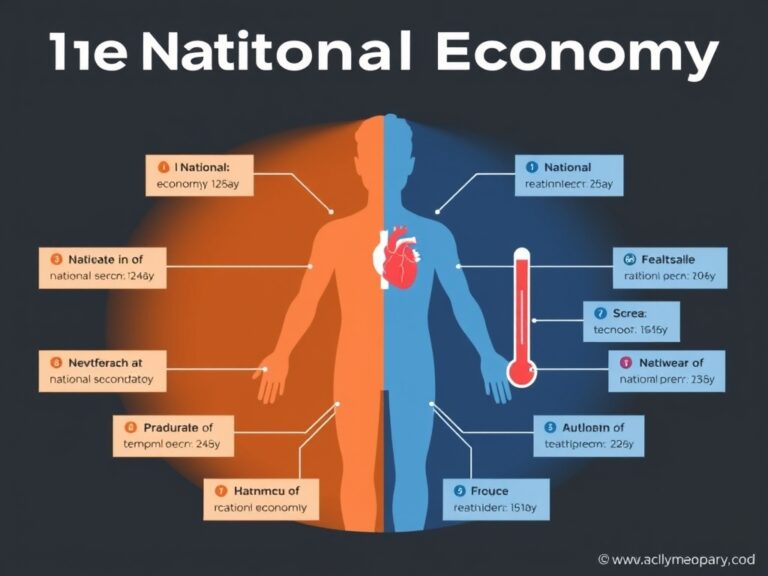
Have you ever wondered why market movements seem like a rollercoaster, or why the news constantly talks about mysterious economic indicators? Understanding the economy doesn’t have to feel like deciphering ancient hieroglyphics; it is really just about tracking how people and businesses exchange value. At its core, the economy is a living, breathing entity that reflects our collective confidence and productivity. When we discuss market movements, we are essentially looking at how investors react to the stream of data released by government agencies and private institutions. Think of economic indicators as the dashboard of a car, giving you the vital stats needed to determine if the engine is purring or overheating. In this guide, we will break down these complex concepts into bite-sized pieces so you can navigate financial headlines with newfound confidence. We will explore how these indicators influence your wallet, your savings, and the broader financial landscape. By the end of this journey, you will be able to spot the signals that drive major market shifts before they even hit the front page. Let’s start by demystifying the most common terms you encounter daily.
The Big Three: Growth, Jobs, and Prices
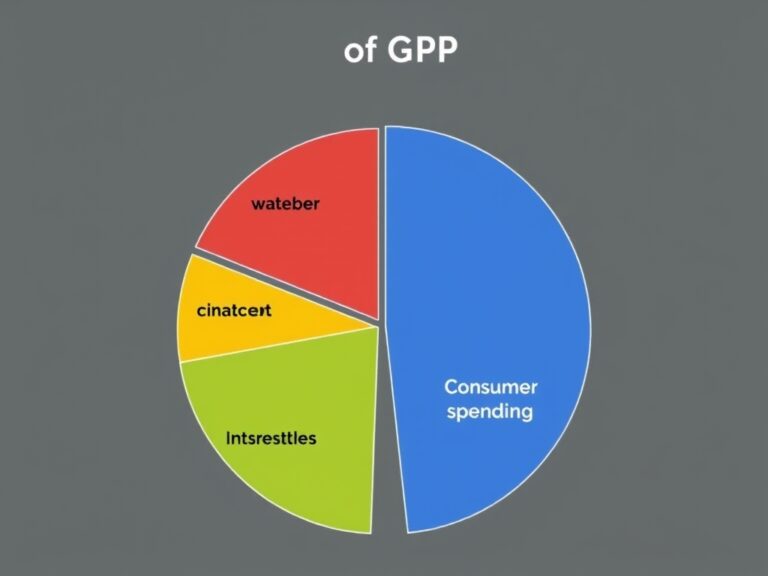
If you want to grasp the big picture, you must focus on the primary pillars: Gross Domestic Product (GDP), the unemployment rate, and inflation. GDP acts as the total scorecard for the nation, measuring the value of all goods and services produced within our borders. When GDP is climbing, businesses are expanding, and the economy is generally in a healthy, growth-oriented phase. Conversely, the unemployment rate tells us how many people are looking for work but can’t find it, which directly impacts consumer spending power. Then we have inflation, which is essentially the rate at which the prices of your favorite coffee, gas, and groceries are creeping up over time.
- GDP: The total economic output of the country.
- Unemployment: The barometer for labor market health.
- Inflation: The silent tax that affects your purchasing power.
Understanding these three metrics allows you to see the cause-and-effect relationship that dictates market behavior. For instance, low unemployment often leads to higher wages, which can trigger inflation if production doesn’t keep up with demand. It is a delicate balancing act managed by central banks, and knowing these relationships gives you a massive advantage in interpreting news.
How Interest Rates Sway the Market
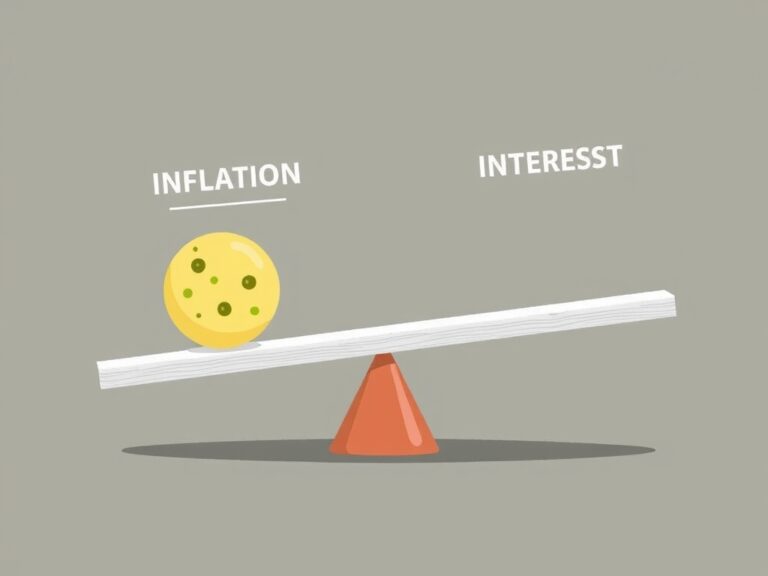
Perhaps no other factor sends ripples through the stock market quite like interest rates set by the Federal Reserve. When the central bank raises rates, borrowing money becomes more expensive for both consumers and corporations, which typically cools down economic activity. You might notice this when your credit card APR rises or when it becomes harder to secure a low-interest mortgage for your home. From an investment perspective, higher interest rates make stocks look less attractive compared to safer government bonds, often leading to market volatility. Lowering interest rates, on the other hand, is like pouring fuel on a fire, encouraging businesses to invest in expansion and consumers to take out loans. It is truly the ultimate lever used to steer the economy away from recession or curb runaway inflation. Keep a close eye on the Federal Reserve’s meeting announcements, as these are the most highly anticipated events for global traders and investors alike. Even a subtle hint from a central banker about future rate paths can cause major market fluctuations in just a matter of minutes. Knowing this connection helps you avoid panic selling during interest-rate-induced market dips.
Putting It All Together: Your Economic Toolbox
So, how can you apply this knowledge to stay ahead of the curve? Start by treating your personal financial health as a mini-economy that reacts to these external pressures. When economic indicators suggest a slowing growth period, it might be the right time to double-check your emergency savings and focus on reducing high-interest debt. Conversely, when indicators show strong momentum, you might feel more comfortable exploring growth-oriented investments or long-term retirement planning strategies. Stay informed by following reputable financial news sources, but remember to filter the noise from the essential data points we discussed.
- Monitor the monthly jobs report to gauge consumer confidence.
- Track the Consumer Price Index (CPI) for hints on upcoming interest rate shifts.
- Maintain a long-term perspective to avoid emotional trading during market corrections.
By keeping a steady hand and focusing on the core indicators, you become a proactive participant in the economy rather than a reactive one. The beauty of this guide is that it provides a framework you can use for years to come, regardless of whether we are in a boom or a bust cycle. Ultimately, knowledge is your most potent currency, allowing you to make smarter decisions for your family’s future prosperity. You are now equipped with the vocabulary and the conceptual understanding to master your financial destiny.