
Market Trends Explained: A Plain-English Guide to Economic Indicators and Movements
Understanding the Pulse of the Global Economy
Have you ever wondered why the stock market takes a nosedive when interest rates rise, or why your grocery bill seems to fluctuate with the headlines? Market trends aren’t just abstract numbers on a ticker; they are the collective heartbeat of our global economy, reflecting the decisions of millions of people just like you. At its core, an economic indicator is simply a data point—like a thermometer for the financial world—that helps us determine if things are heating up or cooling down. When we look at these trends, we aren’t just guessing; we are analyzing patterns that reveal whether consumer confidence is high or if businesses are bracing for a storm. Think of it as tuning into a radio frequency to hear the real story behind your bank account. In this guide, we will peel back the layers of complex financial jargon to give you a clear, actionable perspective on what these movements mean for your portfolio. Whether you are a seasoned investor or just curious about why the cost of living changes, understanding these indicators is your best defense against financial confusion. By the end of this post, you will be able to navigate market news with the confidence of an expert. So, let’s grab a cup of coffee and demystify the financial landscape together, one trend at a time.
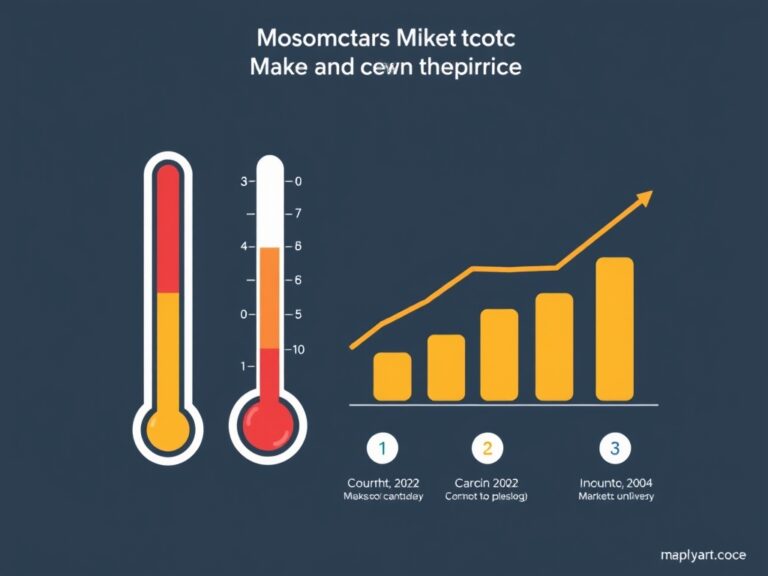
The Big Three: Inflation, Interest Rates, and GDP
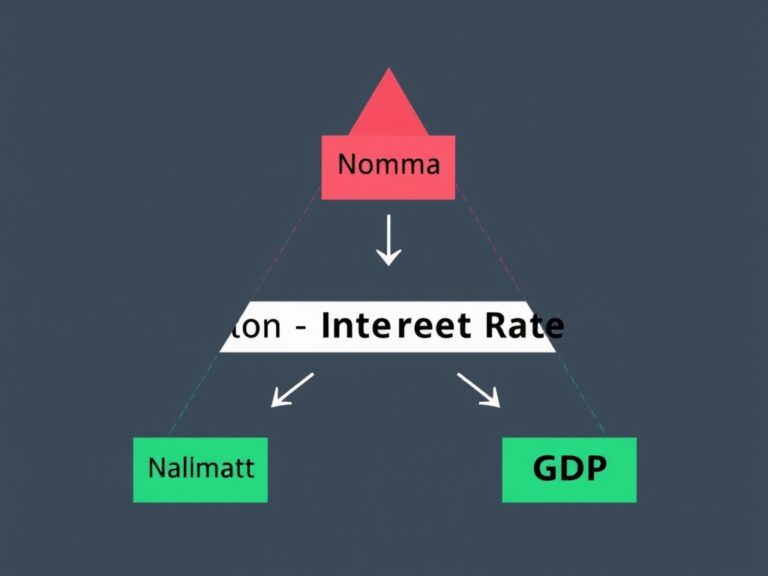
When trying to decipher market trends, there are three major pillars you absolutely need to keep on your radar: Inflation, Interest Rates, and GDP. First, Inflation is the rate at which the general level of prices for goods and services rises, effectively shrinking your purchasing power over time. Second, Interest Rates act as the steering wheel for the economy; when central banks hike these rates, borrowing becomes more expensive, which usually cools down spending. Finally, GDP (Gross Domestic Product) measures the total value of everything produced within a country, serving as the ultimate report card for economic health. To help you visualize how these interact, consider this simple breakdown:
- High GDP usually suggests a thriving, productive economy.
- High Inflation often acts as a tax on the consumer, forcing shifts in spending habits.
- Rising Interest Rates are typically used to tame runaway inflation but can slow down business investment.
It is a constant tug-of-war between growth and stability that keeps analysts up at night. Understanding how these forces pull against each other gives you the context needed to make informed financial decisions. You don’t need a degree in economics to see the patterns, just a clear eye for how these forces move the needle. When you see news of a rate hike, you are seeing the ‘brakes’ being applied to the economy to prevent it from overheating. Conversely, when GDP shows strong growth, it is a sign that the ‘engine’ of industry is running at full capacity.
Consumer Sentiment: The Invisible Engine of Growth
Did you know that consumer sentiment is often a leading indicator for the entire stock market? This metric measures how optimistic or pessimistic people feel about their personal finances and the overall state of the economy. When shoppers are feeling confident, they spend more money, which fuels business growth and keeps market trends in positive territory. On the flip side, when fear takes hold—often triggered by headlines about potential recessions—people tighten their belts, save more, and reduce discretionary spending. This cycle of confidence is what experts call a ‘self-fulfilling prophecy’ because our actions directly shape the outcome of the market. You can track this yourself by watching retail sales reports and surveys like the Consumer Confidence Index. If you see that consumers are buying more electronics and luxury items, it is a telltale sign of a bullish environment. However, if retail data trends downward for several consecutive months, it might be time to exercise caution with your investments. Remember, the market is powered by people, not just machines, and human emotion plays a massive role in volatility. Always ask yourself: Does this data represent a temporary dip in mood, or a structural change in how people are spending? Being aware of this sentiment gap allows you to stay calm when others are panicking. It is the difference between reacting to noise and understanding the signals of real economic change.
Putting It All Together: How to Use This Knowledge
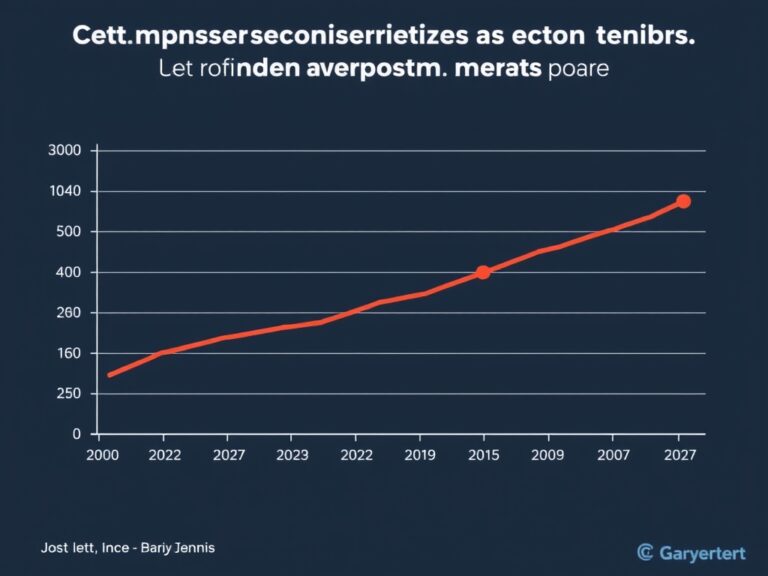
Now that you have a grasp of these key indicators, how do you actually apply this to your daily life or your financial planning? The most important takeaway is to avoid making impulsive moves based on a single piece of news. Instead, look for confluence, which is when multiple indicators point toward the same trend. For example, if both GDP growth is slowing down and consumer sentiment is dropping, you have a much stronger signal than if one indicator is merely fluctuating due to temporary factors. Here is a quick strategy to stay ahead of the curve:
- Monitor official reports from sources like the Bureau of Labor Statistics for authentic data.
- Diversify your focus by keeping an eye on both domestic and international market trends.
- Stay consistent by focusing on your long-term goals rather than the daily noise of the stock ticker.
- Check your bias by reading viewpoints that challenge your current market outlook.
By following this approach, you transform from a passive observer into an active, informed participant in the global economy. Remember, markets are cyclical; what goes up will eventually adjust, and what goes down eventually finds a floor. The goal is not to predict the exact peak or bottom, but to understand the current direction of the wind so you can adjust your sails accordingly. Armed with this plain-English guide, you are now better equipped to interpret the complex web of economic movements. Keep learning, stay curious, and always keep your long-term objectives at the forefront of your decision-making process. The economy may be complicated, but you have the tools to make sense of the noise.