
Foundational Concepts for Building Long-Term Wealth: A Strategic Guide
Mastering the Mindset of Long-Term Wealth
Building long-term wealth isn’t about getting rich quick; it’s a marathon that requires patience, discipline, and a solid financial blueprint. Many people fall into the trap of chasing ‘hot’ stocks, but true financial independence is built on foundational concepts like consistency and compound interest. Think of your wealth as a house: you wouldn’t start with the roof before pouring a solid concrete foundation, right? First, you must shift your perspective from short-term spending to long-term value accumulation, prioritizing assets over liabilities. Compound interest is often called the eighth wonder of the world, and it becomes your greatest ally when you start early and stay invested. It is essential to understand that your financial journey is unique, so avoid comparing your chapter one to someone else’s chapter twenty. Start by auditing your current spending habits and identifying where your money is leaking out unnecessarily. By fostering a growth mindset, you prepare yourself for the inevitable market fluctuations that seasoned investors know are just part of the ride. Remember, wealth is what you keep, not just what you earn, so take control of your financial narrative today.

The Pillars of Strategic Financial Planning
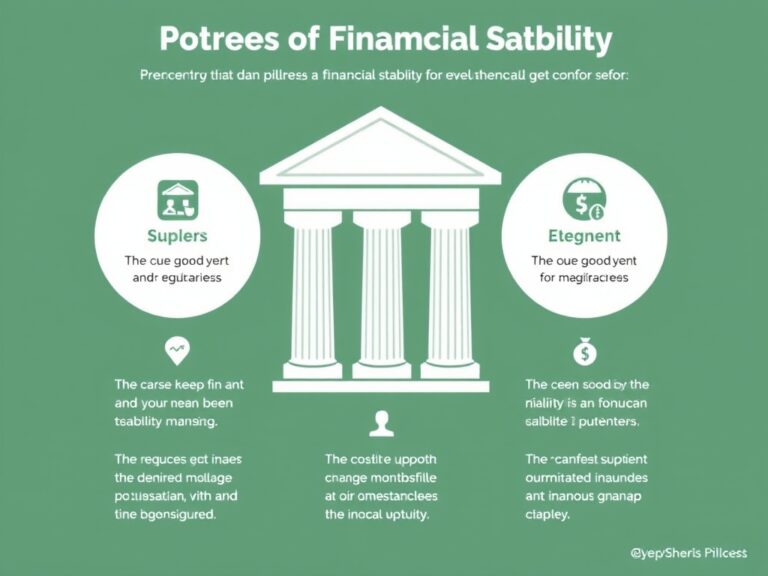
To secure your future, you need to implement a strategic guide that covers the essential pillars of personal finance:
- Emergency Funds: The safety net that prevents debt during crises.
- Budgeting: Tracking cash flow to ensure you spend less than you earn.
- Investing: Putting your money to work in high-growth assets.
- Debt Management: Prioritizing high-interest debt elimination.
These pillars support your entire wealth-building structure, ensuring that one unexpected bill doesn’t derail your progress. Many experts recommend having three to six months of expenses in a liquid high-yield savings account to protect your long-term investments. Once that foundation is set, you can shift focus toward asset allocation, which involves diversifying your portfolio across stocks, bonds, and perhaps real estate. Diversification is your shield against volatility, helping to smooth out returns over several decades. Don’t be afraid to automate your contributions; making it automatic removes the emotional urge to stop investing when the news looks bleak. Consistency is the secret sauce that turns modest savings into substantial retirement accounts over time.
Navigating Market Volatility with Confidence
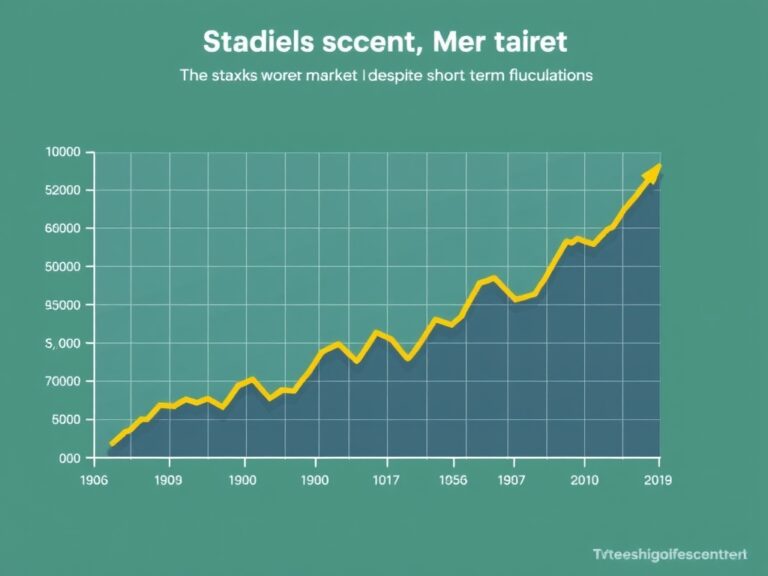
When you commit to a long-term wealth strategy, market noise becomes little more than background static. Investors often panic when charts turn red, but historically, the market has rewarded those who stay the course despite periodic downturns. Emotional intelligence is just as important as mathematical literacy in this game; if you can control your impulses, you are already ahead of 90% of the crowd. Try to view market dips as a ‘sale’ on high-quality assets rather than a reason to liquidate your holdings in a panic. It is helpful to adopt a ‘set it and forget it’ mentality, using methods like dollar-cost averaging to minimize the risk of timing the market incorrectly. Always keep your long-term vision in focus, checking your progress once a quarter rather than watching daily ticker updates. Educating yourself on the history of economic cycles can provide the context needed to keep your head cool during turbulent times. Ultimately, staying invested is the most reliable way to capture the long-term growth of the global economy. Confidence in your plan will be your anchor when the seas get rough, allowing you to sleep soundly regardless of current events.
The Final Step: Sustaining and Growing Your Legacy
Once you reach a point where your assets generate meaningful returns, the focus shifts from accumulation to legacy building and sustainability. This stage involves sophisticated planning, such as tax-advantaged accounts, estate planning, and perhaps philanthropic efforts that align with your values. You should regularly review your portfolio to ensure that your asset allocation still matches your risk tolerance as you approach your goals. Don’t forget that knowledge is your greatest asset; continue to read, attend seminars, and perhaps consult with a fiduciary financial advisor to ensure your strategy is optimized. Building wealth is a multi-generational game, and teaching your family about these concepts is just as important as the money itself. Start small, remain consistent, and always be curious about new opportunities that align with your risk profile. You have the power to transform your financial reality by taking these foundational concepts to heart today. Your future self will thank you for the sacrifices you make now in the name of long-term freedom. Start your journey with intent, stick to your plan, and enjoy the process of watching your wealth work for you.