
Market Movements Explained: A Plain-English Guide to Economic Indicators
Understanding the Pulse of the Market
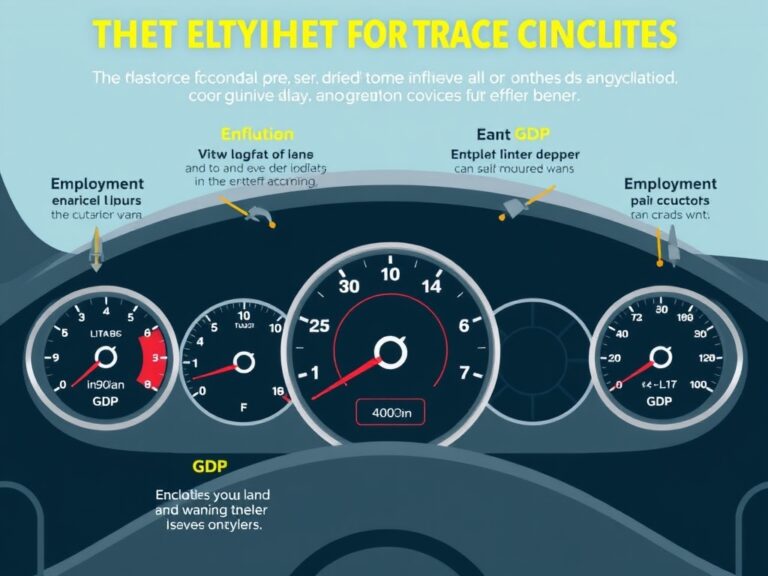
Have you ever watched the stock market news and felt like you were listening to a foreign language? You are certainly not alone; economic indicators can feel like a complex puzzle, but they are actually the vital signs of our global economy. Think of these indicators as a dashboard for a car, telling us whether the engine is purring smoothly or starting to overheat. When we talk about market movements, we are really just observing how investors react to these key pieces of data. Whether it is a shift in interest rates or a change in unemployment figures, each report tells a story about where our money is headed. By learning to decode these signals, you can move from feeling confused to feeling confident in your financial decisions. In this guide, we will break down what these indicators actually mean in plain English. Let’s demystify the noise and focus on the signals that truly matter for your portfolio. Mastering this knowledge is the first step toward becoming a more proactive and informed investor. Ready to dive into the data? Let’s get started on your journey to financial literacy.
The Big Three: GDP, Inflation, and Employment
If you only track three things, make them GDP (Gross Domestic Product), Inflation, and Unemployment rates. These represent the fundamental health of the economy:
- GDP: The total dollar value of all goods and services, essentially the economy’s report card.
- Inflation: The rate at which the general level of prices is rising, which directly impacts your purchasing power.
- Unemployment: The percentage of the workforce currently without a job, which signals consumer spending potential.
When GDP grows, companies are usually thriving, which is great for stocks. Conversely, high inflation can lead to a tightening of belts, often causing central banks to raise interest rates to cool things down. Low unemployment suggests a strong labor market, which usually gives consumers more confidence to spend money. These factors are deeply interconnected, creating a ripple effect that touches everything from your mortgage rates to the price of your groceries. Keeping an eye on these monthly releases provides a solid baseline for understanding broader market trends. Even casual investors can benefit from watching how these core metrics evolve over time.
How Interest Rates Sway Markets
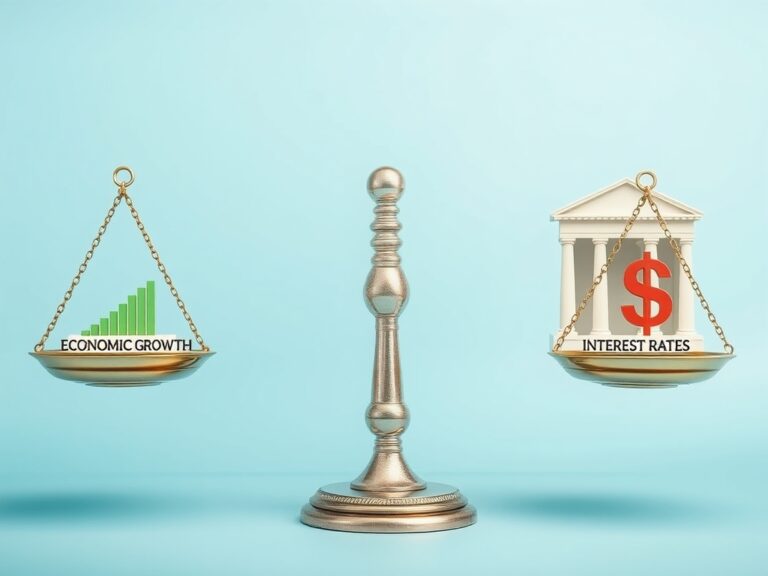
Perhaps no single factor influences market movements more than interest rates, which are often adjusted by central banks like the Federal Reserve. When rates go up, borrowing becomes more expensive for both businesses and individuals, which can slow down economic growth. On the flip side, lower interest rates act like a shot of adrenaline, encouraging borrowing, spending, and business investment. It is a delicate balancing act that aims to keep the economy from getting too hot or too cold. Investors watch these monetary policy updates with eagle eyes because they directly impact company profitability and valuation. If you see news about a rate hike, expect the market to react as businesses adjust their growth expectations. It is not just about the cost of a loan; it is about the psychology of the market adjusting to the ‘new normal.’ Understanding this mechanism helps you predict why stock prices might swing after a big announcement. By staying aware of central bank language, you can better anticipate volatility.
Putting It All Together: Your Action Plan
Now that you know the basics, how do you apply this to your daily life? It is not about reacting to every headline; it is about building a long-term perspective that survives the ups and downs of market volatility. Diversification is your best friend when economic indicators look uncertain, as it helps spread your risk across different asset classes. Instead of trying to ‘time the market,’ focus on these key habits:
- Stay informed: Follow reputable financial news sources for objective data.
- Think long-term: Remember that temporary fluctuations are just noise in the context of years of growth.
- Automate your strategy: Consistent investing often outperforms trying to chase the latest economic trend.
Education is your greatest asset, and by understanding how these indicators move the needle, you are already ahead of the curve. Keep asking questions and never stop learning about the factors that influence your financial future. You have the tools now to make sense of the madness and build a portfolio that reflects your personal goals. Remember, the market is a marathon, not a sprint, and you are now better equipped to handle the terrain. Happy investing!