

Market Movements and Economic Indicators Explained in Plain English
Understanding Market Movements: The Pulse of the Economy
Have you ever wondered why stock prices swing wildly while the grocery store prices seem to climb steadily? Market movements are essentially the collective heartbeat of our global economy, reacting to everything from boardroom decisions to global politics. Think of the stock market as a giant, hyper-active nervous system where millions of participants are constantly betting on the future. When we talk about volatility, we are really talking about the market trying to find a balance between fear and greed. By understanding how these shifts occur, you can stop feeling like a spectator and start feeling like an informed participant. This journey doesn’t require a PhD in finance; it just requires a bit of curiosity and the right perspective. Let’s peel back the layers of these complex systems to see how they impact your wallet every single day. Knowledge is the ultimate hedge against uncertainty in your investment portfolio. By mastering these basics, you gain the confidence to navigate financial headlines without feeling overwhelmed or discouraged. It is time to demystify these trends together, making your path toward financial literacy clearer than ever before.
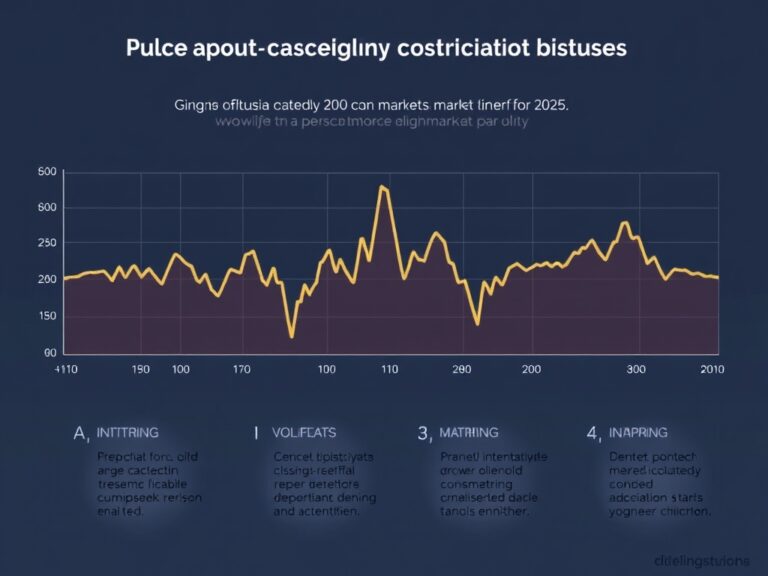
Key Economic Indicators You Need to Watch
Economic indicators are the vital signs of our country’s financial health, much like your blood pressure or heart rate during a doctor’s visit. These data points provide a snapshot of where we stand, and more importantly, where we might be heading next. The most popular indicators include:
- GDP (Gross Domestic Product): The total market value of goods and services produced.
- CPI (Consumer Price Index): A key measure of inflation and rising costs.
- Unemployment Rate: Tracking how many people are looking for work.
Each of these metrics acts like a beacon for investors, signaling whether it is time to be cautious or aggressive. Interest rates set by central banks also play a massive role, acting as the ‘gas’ or ‘brakes’ for economic expansion. If you keep an eye on these specific reports, you can anticipate shifts rather than reacting to them after the fact. It’s all about connecting the dots between raw data and your personal financial strategy. You do not need to be a Wall Street pro to grasp why these numbers matter; they reflect the realities of the living room and the workplace. Stay proactive by checking these regular updates, as they often dictate the next trend in the broader market cycle.

The Relationship Between Inflation and Your Savings
Inflation is often called a ‘hidden tax’ because it quietly erodes the purchasing power of your hard-earned cash over time. When we see inflation rising, it means your dollar simply doesn’t stretch as far as it used to for essentials like gas, housing, and food. Market movements often intensify during periods of high inflation because companies struggle to maintain profit margins while costs climb. It is a balancing act that impacts every level of the economy, from local shops to multinational corporations. Understanding this connection is crucial if you want to keep your savings from shrinking in real value. You might wonder, what can you actually do about it? Consider diversifying your assets to include instruments that have historically outpaced inflation. Smart planning is your best defense against the erosion of your wealth. Remember, the goal isn’t just to accumulate money, but to grow it in a way that remains meaningful in the future. Educated investors see inflation not as a disaster, but as a standard economic cycle that can be managed with the right strategy. Keep a close watch on the CPI data to stay ahead of the curve.

How to Stay Calm When the Market Stays Volatile
When the market turns red and headlines start screaming about a crash, the most important thing you can do is take a deep breath. Panic-selling is the single biggest enemy of long-term wealth creation, yet it is the most common mistake retail investors make. Volatility is the price of admission for the gains that the market offers over the long run. Instead of checking your portfolio balance every five minutes, focus on your long-term goals and why you started investing in the first place. Consistency is the secret sauce that separates successful investors from those who burn out early. By focusing on fundamental analysis rather than temporary noise, you can maintain your sanity even when the markets seem irrational. Surround yourself with reliable information, avoid ‘get-rich-quick’ schemes, and remember that time is your greatest asset. Your ability to stay level-headed during a downturn will likely have a bigger impact on your net worth than picking the ‘perfect’ stock. Keep your focus on the horizon, keep learning, and trust in the power of compound interest to do the heavy lifting for you. You have the tools, the knowledge, and the mindset to succeed regardless of the current economic weather.