
Market Movements and Economic Indicators Explained: A Plain-English Guide
Understanding the Pulse of the Market: Why It Matters
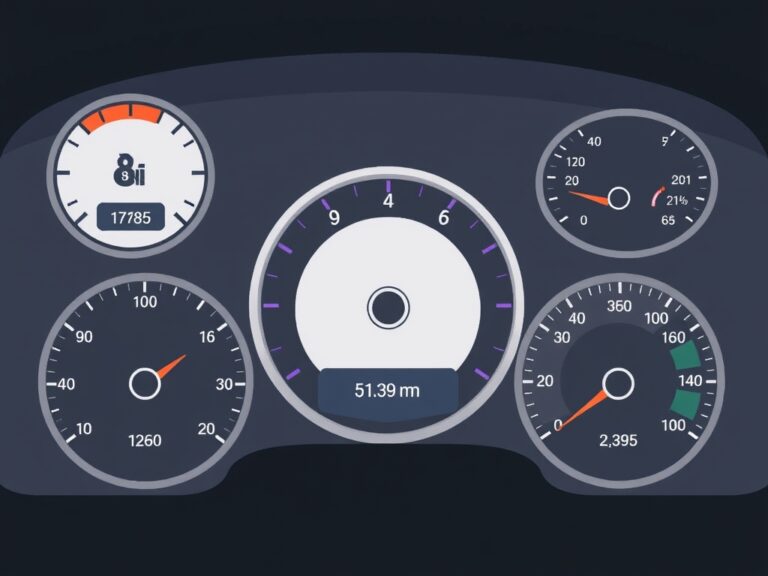
Have you ever watched the news and felt like market analysts are speaking a completely different language? You are certainly not alone; market movements can feel like a chaotic storm, but they are actually driven by predictable patterns known as economic indicators. Think of these indicators as the dashboard of a car, providing essential data on speed, fuel, and engine temperature so you can navigate the financial road ahead. When we talk about market volatility, we are really talking about how investors react to incoming data that hints at the health of the economy. By learning to decode these signals, you can transition from feeling like a passive observer to an informed participant in your financial future. This guide is designed to strip away the jargon and provide you with a clear, plain-English roadmap to understanding how and why the market shifts. We will break down the complex relationship between global events and your portfolio, ensuring you feel empowered to make sense of the daily headlines. Let’s dive into how these hidden gears turn, turning the mystery of the stock market into something much more manageable and intuitive for the everyday investor.
The Big Three: Inflation, Interest Rates, and GDP
To understand the market, we first need to look at the ‘Big Three’ economic indicators: Inflation, Interest Rates, and GDP. Inflation represents the rate at which the general level of prices for goods and services is rising, effectively eroding your purchasing power over time. When central banks notice inflation climbing too high, they often respond by hiking interest rates to cool down the economy. Higher interest rates are like a double-edged sword; they make borrowing more expensive for companies and consumers, which can slow down business growth. Meanwhile, Gross Domestic Product (GDP) serves as the ultimate scorecard for economic activity, measuring the total value of goods and services produced within a country. When GDP growth is robust, it usually signals a healthy economy, often leading to optimistic market sentiment and rising stock prices. Conversely, if GDP stalls or contracts, investors often brace themselves for a potential economic downturn or recession. By tracking these three metrics, you gain a clear window into whether the economy is heating up, cooling down, or steady as she goes. Understanding these levers is the single most important step in predicting how your investments might react to broader shifts.
Labor Markets: The Engine of Consumer Spending
The health of the labor market is perhaps the most immediate indicator of how consumer spending, which drives the vast majority of our economy, will hold up. When unemployment rates are low and wage growth is steady, people feel confident enough to spend money on everything from groceries to new cars. This cycle of spending fuels corporate profits, which in turn justifies higher stock valuations for many public companies.
- Non-Farm Payrolls: A monthly report that is closely watched for job creation trends.
- Unemployment Rate: Indicates the percentage of the labor force currently looking for work.
- Wage Growth: Tells us if employees are actually seeing more money in their paychecks.
When we see a healthy labor report, it often triggers a positive market movement because it suggests that the foundation of the economy is solid. However, if job growth stalls, investors might worry that a spending slump is right around the corner, leading to defensive portfolio moves. Keeping an eye on these reports helps you understand the ‘real-world’ side of the market beyond just ticker symbols. It reminds us that behind every trade is an actual human being whose ability to work and spend dictates the direction of the global economy.
Putting It All Together: How to Stay Ahead
So, how do you use this information to stay ahead of market movements without getting overwhelmed by the noise? The trick is to avoid reacting to every single headline and instead look at these indicators as a collective picture. Long-term success in investing is almost never about predicting the daily fluctuations; it is about staying disciplined while the indicators point toward structural trends. If you see interest rates rising and inflation remaining sticky, you might consider how your portfolio is positioned in defensive sectors versus growth-oriented ones. Always remember that market psychology plays a huge role; even if the data is great, market movements can still be negative if investors were expecting something even better. Use these indicators to build a mental framework for the economic climate, but keep your emotions in check during the inevitable periods of volatility. You don’t need a degree in economics to be a savvy investor; you just need to keep your eyes on the data that truly impacts the world around you. By staying curious and informed, you turn the complex language of Wall Street into a powerful tool that helps you reach your long-term goals. Start small, stay consistent, and remember that the market rewards those who take the time to understand the ‘why’ behind the ‘what’.