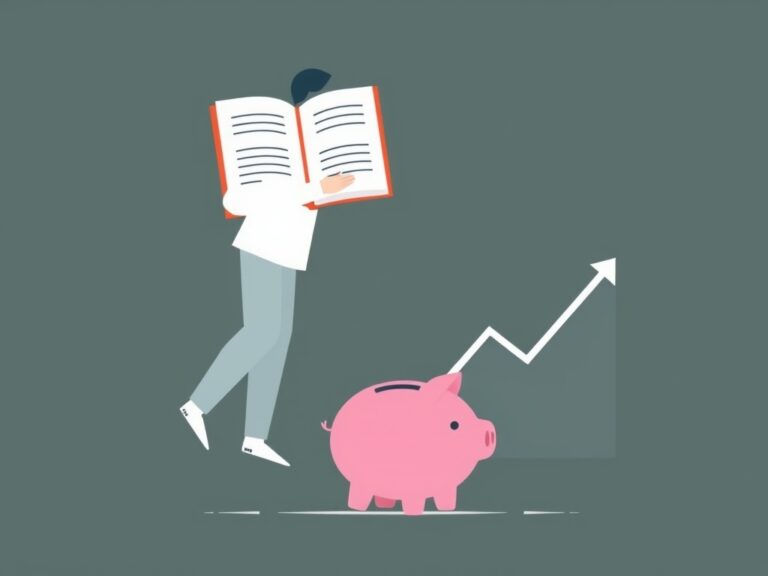

Foundational Wealth Building: 7 Essential Concepts for Long-Term Financial Success
Mastering Your Financial Foundation: A Roadmap to Prosperity
Building long-term financial success isn’t just about how much you earn; it’s about how effectively you manage what you keep. Many people fall into the trap of thinking wealth is purely about high income, but foundational wealth building is actually a game of habits, systems, and consistent patience. To start your journey, you must first cultivate a mindset shift that prioritizes stability over instant gratification. By focusing on these essential pillars, you can move from living paycheck to paycheck to true financial independence. Think of this process like building a house: without a solid slab, the roof will eventually buckle under pressure. In this guide, we will explore seven essential concepts that act as the bedrock for your future security. Let’s dive into these actionable steps together and transform your relationship with money today!
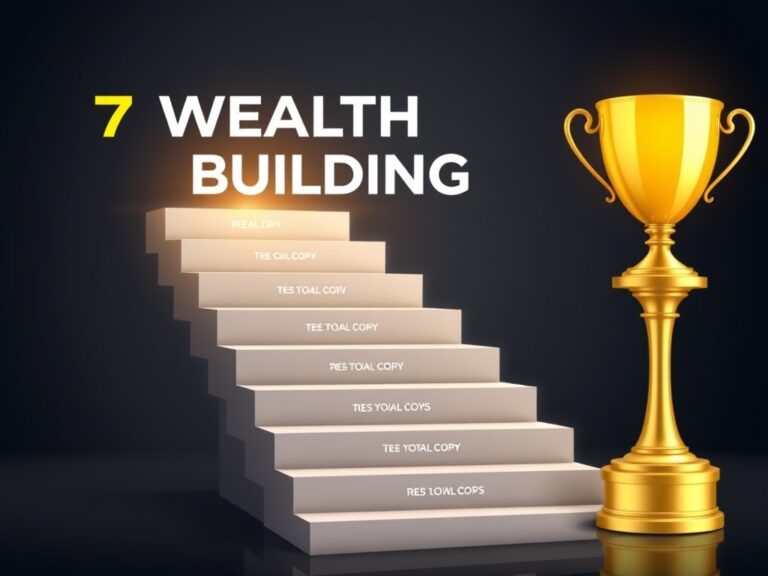
The Core Pillars: Budgeting and Emergency Reserves
The first two concepts are your best friends in this journey: intentional budgeting and emergency funds. A budget isn’t a restrictive chain; it is a financial roadmap that gives you permission to spend while ensuring your future goals remain funded. I recommend tracking every dollar for one month to see where your money currently leaks. Once you understand your outflows, it is time to tackle the emergency fund. Having three to six months of living expenses tucked away in a high-yield savings account provides you with a buffer that protects you from life’s unexpected emergencies.
- Never touch this money for vacations or wants.
- Keep it liquid but separate from your primary checking.
- Re-evaluate your goal as your living costs change.
This simple security net prevents you from falling into high-interest debt when the car breaks down or a medical bill arrives unexpectedly. Establishing these two habits alone puts you ahead of the vast majority of the population.
Taming Debt and the Power of Compound Interest
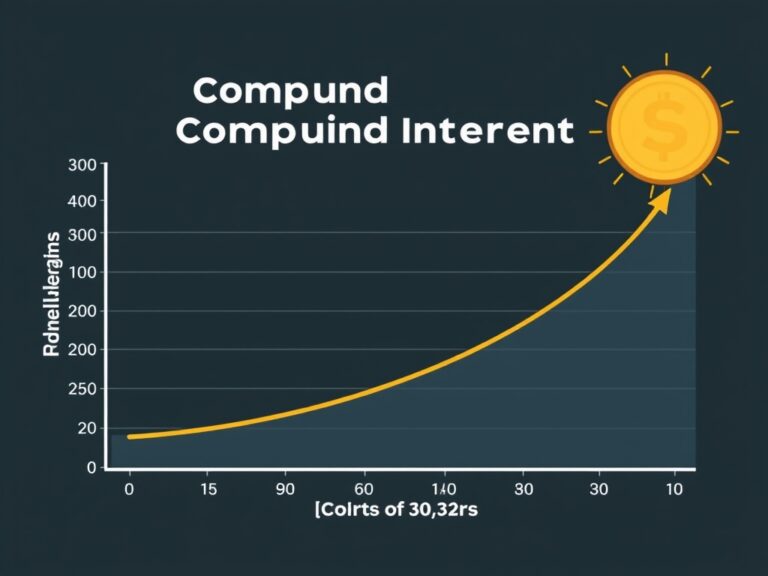
If you are carrying high-interest debt, consider it a fire in your financial house that must be extinguished immediately. Debt steals your future income and prevents your money from working for you through the miracle of compound interest. Concepts three and four involve aggressively paying down toxic debts—like credit cards or predatory loans—while preparing to shift those payments toward investments. Once you are debt-free, you can leverage compounding, which Albert Einstein famously called the eighth wonder of the world. By reinvesting your dividends and gains consistently over decades, your net worth grows exponentially rather than linearly.
- Start small, but start early.
- Use the ‘snowball’ or ‘avalanche’ method to clear debts.
- Automate your investments to remove emotional decision-making.
The key is to stop paying interest and start earning it as quickly as possible. This transition is the pivotal moment where your wealth starts to take on a life of its own.
Investing Wisely and Embracing Diversification
Concept five, intelligent investing, requires moving away from ‘get-rich-quick’ schemes and toward proven, long-term asset allocation. You want to focus on low-cost index funds or ETFs that track the broader market to minimize fees and maximize returns. Diversification is your shield against volatility; by holding a mix of stocks, bonds, and perhaps real estate, you protect yourself from any single sector crash. Remember, time in the market beats timing the market every single time.
- Look for funds with expense ratios below 0.20%.
- Maintain a portfolio that reflects your personal risk tolerance.
- Keep your emotions in check during market fluctuations.
By keeping your strategy simple and automated, you remove the stress that often causes investors to sell at the wrong time. Wealth building is a marathon, not a sprint, so stay the course through both bull and bear markets.
Continuous Education and Lifestyle Design
The final two concepts are continuous education and intentional lifestyle design. The world of finance changes rapidly, so staying informed about taxes, inflation, and market trends is a lifelong commitment. You should treat your financial intelligence as your most valuable asset, as it pays the best interest. Simultaneously, beware of ‘lifestyle creep’—that habit of increasing your spending every time your income rises. By maintaining a modest lifestyle while your earnings grow, you maximize the gap between income and expenses, allowing you to invest even more aggressively. True wealth is about freedom, not flashy possessions.
- Read at least one book on personal finance annually.
- Audit your expenses every six months to stay lean.
- Define what ‘success’ looks like to you, not to society.
Keep these concepts front and center, and you will find that long-term financial success is not only possible but inevitable!