
Market Movements and Economic Indicators: A Plain-English Guide to the Economy
Understanding Market Movements: Why Should You Care?
Have you ever watched the news and felt like the economy is speaking a different language? You are not alone, but market movements are actually simpler than they appear when you strip away the financial jargon. At its core, the economy is just a giant feedback loop driven by human behavior, supply, and demand. When we talk about the market moving, we are essentially looking at how investors feel about the future of businesses and overall prosperity. 📈 It is helpful to view the stock market as a collective scoreboard that reflects our shared expectations for growth. By keeping an eye on these shifts, you gain a better understanding of how your own finances might be impacted by global trends. This guide aims to turn those complex charts into actionable insights that you can use daily. We will explore how major indicators work so you can stop guessing and start understanding the signals. Knowledge is your best asset in a fluctuating economy, and staying informed is the first step toward financial confidence. Let’s demystify these trends together, one step at a time, ensuring you feel empowered rather than overwhelmed by the headlines. Ready to peel back the curtain on how the economy really ticks?
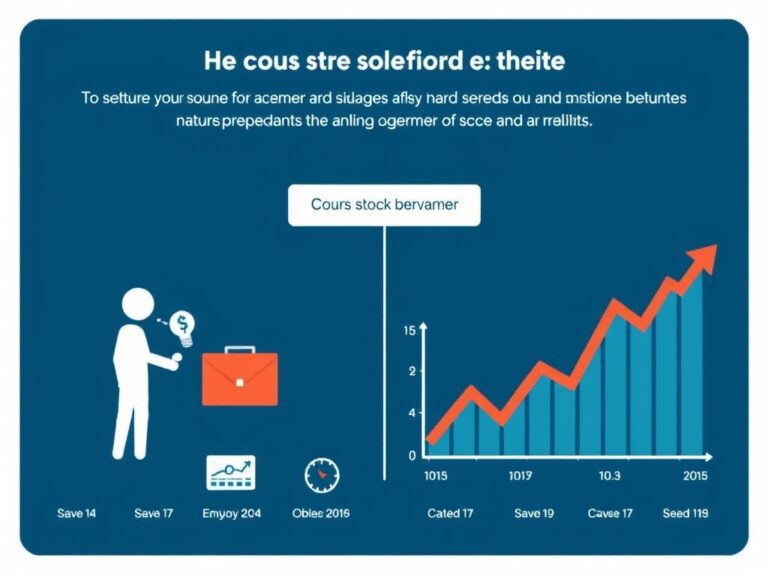
Decoding Key Economic Indicators
Economic indicators are essentially the ‘vital signs’ of a country, helping us measure the health of the entire system. Think of them like the dashboard in your car, showing you speed, engine health, and fuel levels all at once. The most famous indicators include:
- GDP (Gross Domestic Product): The total value of goods and services produced.
- Inflation (CPI): The rate at which the price of items is rising over time.
- Unemployment Rate: The percentage of the workforce currently seeking jobs.
- Consumer Confidence: A pulse check on how optimistic families feel about spending money.
Each of these metrics tells a specific story about where we are in the economic cycle. When unemployment is low and GDP is growing, the ‘engine’ of the economy is humming along nicely. However, if inflation spikes too high, it acts like a speed limit that forces everyone to slow down their spending. Understanding these pillars allows you to see why interest rates change or why prices at the grocery store might fluctuate. By paying attention to these reports, you can anticipate potential market volatility instead of being caught off guard by sudden shifts. It’s all about connecting the dots between these data points and your personal wallet.
The Impact of Interest Rates on Your Daily Life
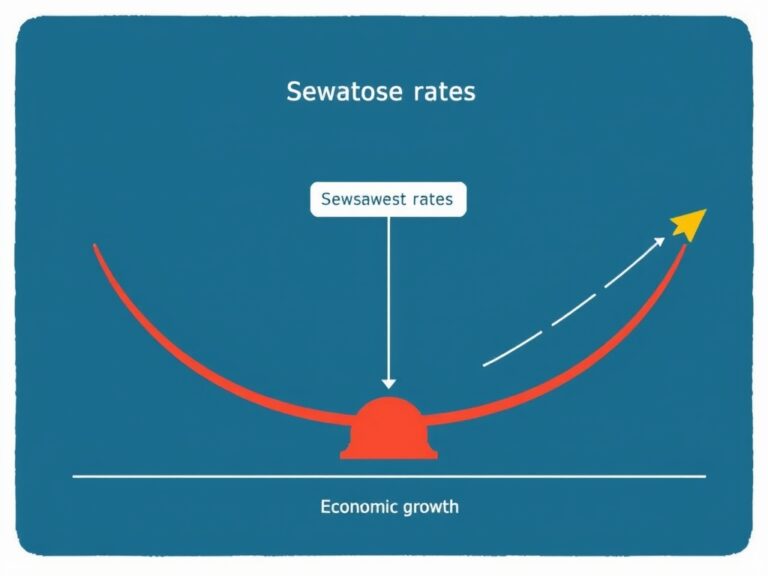
If there is one indicator that affects almost everyone, it is the interest rate set by central banks like the Federal Reserve. You can think of interest rates as the ‘cost of money’—when they go up, borrowing becomes more expensive for both businesses and individuals. 🏦 When borrowing is expensive, companies might delay expansion plans, and people might think twice about taking out a new car loan or mortgage. Conversely, when rates are low, it is cheap to borrow, which encourages spending and drives faster economic growth. This tug-of-war is the primary tool regulators use to keep the economy from overheating or freezing up entirely. For you, this means watching for rate announcements because they influence everything from your high-yield savings account interest to your monthly credit card payments. If you are planning a big purchase, keeping an eye on these macroeconomic trends can actually save you money. Being proactive is key here, as markets often react to potential rate changes before they even happen. Don’t wait for the news to tell you what happened; look for the signs and understand the strategy behind the movement.
Putting It All Together: Your Economic Roadmap
So, how do you synthesize all this information without getting lost in the noise? Start by focusing on the long-term trends rather than the daily ‘red-and-green’ ticker fluctuations that happen on the news. 💡 Creating a stable financial future requires a clear perspective on how these indicators affect your specific goals and risk tolerance. Whether you are investing for retirement, saving for a home, or just managing your budget, knowing the context of the economy changes your perspective on risk. Remember that market cycles are natural; what goes up must eventually correct, and periods of decline often pave the way for new growth opportunities. Instead of reacting emotionally to negative headlines, try to view the market as a landscape that is constantly evolving and adjusting.
- Stay diversified to protect yourself from individual sector downturns.
- Focus on your long-term goals instead of short-term price movements.
- Keep an eye on key indicators to understand the broader ‘weather’ of the economy.
With this plain-English approach, you are now better equipped to handle the ups and downs of the financial world with grace and logic. You don’t need to be an economist to make smart decisions, you just need to stay curious and keep learning. The economy is a fascinating system, and now you have the tools to navigate it successfully.