
Making Sense of the Markets: A Plain-English Guide to Economic Indicators
Understanding the Economic Pulse: Why Indicators Matter
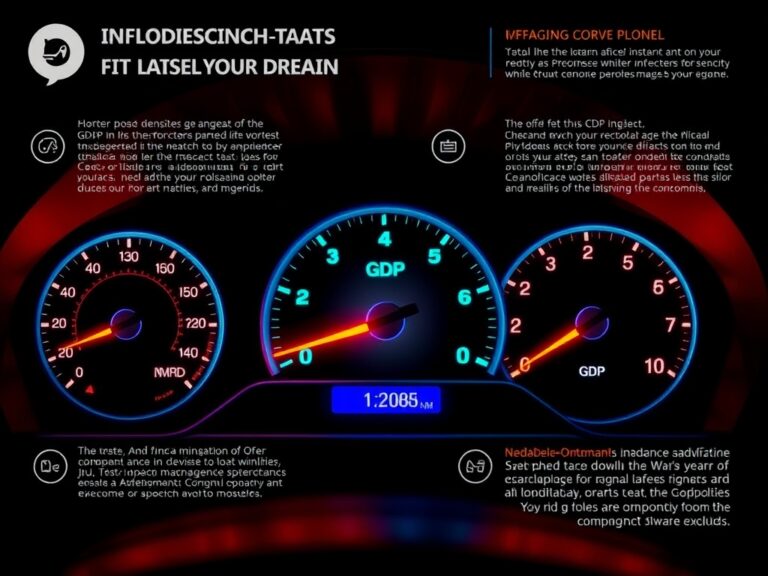
Have you ever wondered why the stock market zig-zags wildly after a single news report? It feels like chaos, but there is a rhythm to the madness, driven by what experts call economic indicators. These indicators are essentially the vital signs of our economy, helping us gauge whether we are in a period of growth, stagnation, or decline. Think of them as a dashboard for a car; without checking your speed or fuel levels, you would be driving blind. By learning to interpret these metrics, you shift from being a confused bystander to a savvy investor who understands the ‘why’ behind market trends. Throughout this guide, we will break down the most influential reports so you can make sense of the noise. Getting to grips with this data isn’t just for Wall Street pros; it is a superpower for anyone managing personal finance. Let’s dive into how these signals move the needle on your investments every single day.
The Big Three: GDP, Unemployment, and Inflation
To start, we have the ‘Big Three’ reports that serve as the foundation for all market analysis. First, we have Gross Domestic Product (GDP), which measures the total value of goods and services produced by a nation—basically, the size of our economic pie. Second, the Unemployment Rate tells us how many people are looking for work, acting as a crucial indicator of consumer purchasing power. Finally, Inflation (often measured by the Consumer Price Index) reveals the pace at which prices are rising, which directly impacts your buying power. When these three are in balance, the economy tends to grow sustainably. When they shift suddenly, markets react in kind. Here is how they typically impact the landscape:
- Strong GDP usually boosts investor confidence.
- High Unemployment can signal a cooling economy.
- Spiking Inflation forces central banks to raise interest rates.
Tracking these specific metrics is the most effective way to stay ahead of the curve.
Leading vs. Lagging Indicators: Predicting the Future
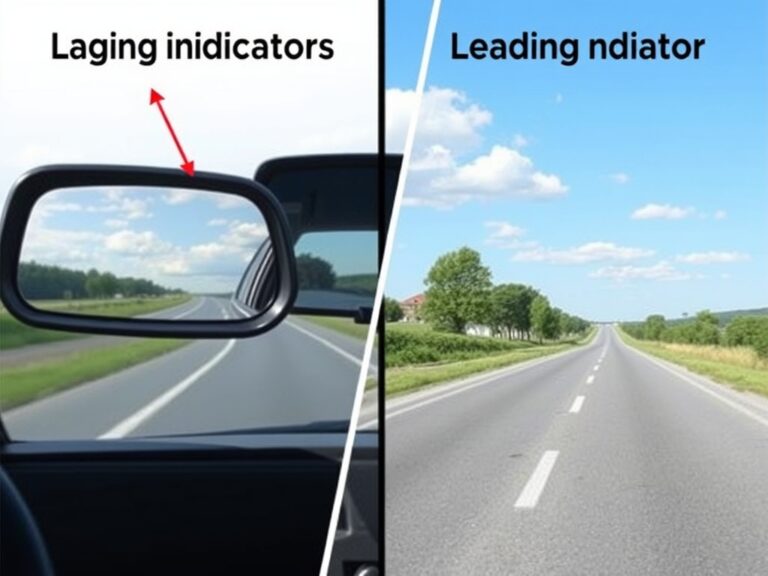
Not all data tells you what is happening right now; some look back, and some look forward. We categorize these as leading and lagging indicators, and distinguishing between them is vital for smart investing. Leading indicators, like the Stock Market or Consumer Sentiment Surveys, often provide a glimpse into where the economy is headed in the next few months. On the other hand, lagging indicators—such as the unemployment rate—confirm patterns that have already established themselves. Relying only on lagging data is like trying to drive while only looking in the rearview mirror. To be a truly effective reader of the markets, you need to synthesize both types of data. Pro tip: Pay close attention to building permits or manufacturing orders, as these often predict future economic activity before the official reports hit the news. Balancing these signals allows you to adjust your financial strategy proactively rather than reacting to yesterday’s news.
The Role of Interest Rates and Central Banks
Finally, we have to talk about the ‘elephant in the room’: Central Bank policies and interest rates. When the economy gets too hot, the central bank might raise rates to cool it down, which makes borrowing money more expensive for businesses and individuals alike. Conversely, if the economy slows down, they might lower rates to encourage spending and capital investment. This ‘tug-of-war’ is one of the most powerful forces impacting the market. If you want to know where the economy is going, listen closely to what policymakers are saying about future rate hikes. They are essentially telling you whether they think the economy is too fragile or too robust. Understanding this relationship helps you appreciate why bonds, stocks, and commodities react so differently to the same piece of news. It is all about the cost of money, and how that ripples through every sector of our lives. Keep this in mind, and you will find yourself far more confident during the next market cycle.