
Making Sense of the Markets: A Plain-English Guide to Economic Indicators
Understanding Economic Indicators: Your Market Compass
Have you ever felt like the stock market is speaking a foreign language? You aren’t alone, as economic indicators act as the vital pulse of the financial world, helping investors read the market’s health like a professional. Think of these metrics as the speedometer and fuel gauge for the entire economy, giving us insights into whether we are cruising smoothly or heading for a bumpy road. By keeping an eye on data points like Gross Domestic Product (GDP) or inflation rates, you can stop guessing and start making informed financial decisions. It is not about being an economist; it is about knowing how to translate these reports into actionable knowledge for your portfolio. We will break down exactly what these numbers mean, why they matter to your wallet, and how you can use them to stay ahead of the curve. Let’s demystify these complex signals together so you can trade with confidence and clarity. Whether you are a beginner or a seasoned investor, mastering these basics will change your perspective on financial news forever. Ready to dive into the data? Let’s get started on your journey to becoming a more market-savvy investor.

GDP: The Ultimate Scoreboard
If there is one indicator you should follow, it is Gross Domestic Product (GDP), which is essentially the grand total of everything produced within a country’s borders. When you hear that GDP is growing, it means companies are selling more, people are working, and the economy is thriving. However, if GDP figures take a nosedive, it is a clear warning sign that the economy is contracting, which often leads to tighter spending. Consider these key components that fuel GDP:
- Personal Consumption: What you and your neighbors buy daily.
- Business Investment: Money companies pour back into infrastructure and growth.
- Government Spending: Public investment in services and projects.
- Net Exports: The balance between what we sell abroad and what we buy.
Tracking these categories helps you understand where the growth is actually coming from and how sustainable it might be in the future. Just like a report card tells you how a student is doing, GDP tells you how the entire nation is performing financially. It is the most comprehensive measure we have, making it the bedrock of any economic analysis you will ever perform.
Inflation and Interest Rates: The Dynamic Duo
Next up are inflation and interest rates, two forces that dance together in a complex rhythm that impacts every single transaction you make. Inflation measures how much the price of goods and services is rising over time, which naturally erodes your purchasing power if your income doesn’t keep up. To keep this in check, central banks like the Federal Reserve use interest rates as a tool to control the speed of the economy. Here is how that connection works:
- Rising Rates: Usually implemented to cool down an overheating economy and tame inflation.
- Falling Rates: Used to stimulate growth by making borrowing cheaper for businesses and consumers.
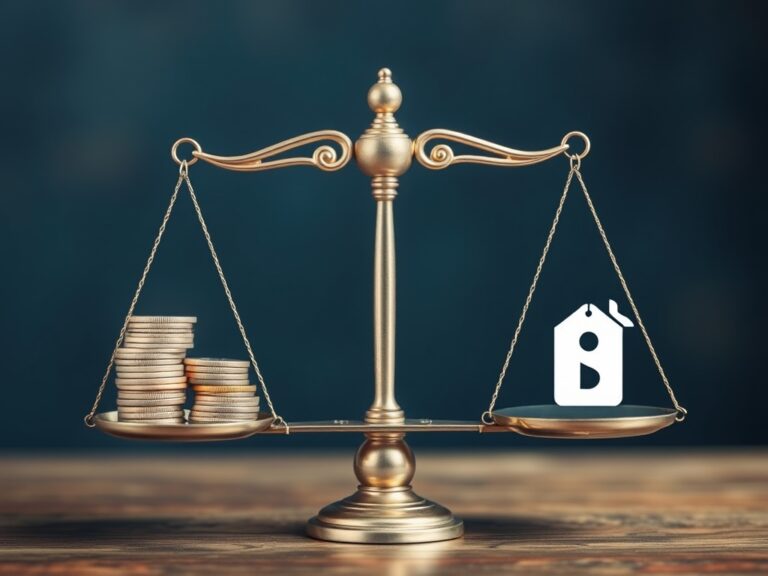
If you are wondering how this impacts you, remember that higher rates make mortgages and loans more expensive, while lower rates encourage taking on debt to grow investments. It is a delicate balancing act that determines the cost of living and the cost of doing business globally. By monitoring the Consumer Price Index (CPI), you can spot inflation trends early and protect your savings from being eaten away by rising costs. Understanding this relationship is a superpower for anyone trying to navigate long-term market trends.
The Labor Market: The Human Element
Finally, we cannot ignore the labor market, which is perhaps the most personal economic indicator of all because it reflects the health of the average household. The unemployment rate is the most watched statistic here, but you should also pay attention to Non-Farm Payrolls to get a complete picture. When people are employed and earning steady paychecks, they spend money, which drives corporate profits and keeps the market engine running hot. A strong labor market suggests that companies feel confident enough to hire, which is a bullish signal for the overall economy. Conversely, rising unemployment often forces consumers to cut back on discretionary spending, which can create a ripple effect of reduced revenue for major corporations. You should watch for:
- Job creation numbers in key sectors like tech, healthcare, and manufacturing.
- Wage growth metrics that indicate if employees are gaining more leverage.
- Participation rates to see how many people are actually looking for work.
When you combine this human data with the hard economic figures, you get a 360-degree view of where the market is headed. Stay observant, keep learning, and remember that these numbers are just snapshots of a much larger, ever-changing financial story.