
Foundational Wealth Building: 7 Essential Concepts for Long-Term Financial Success
Mastering Your Financial Foundation: A Roadmap to Prosperity
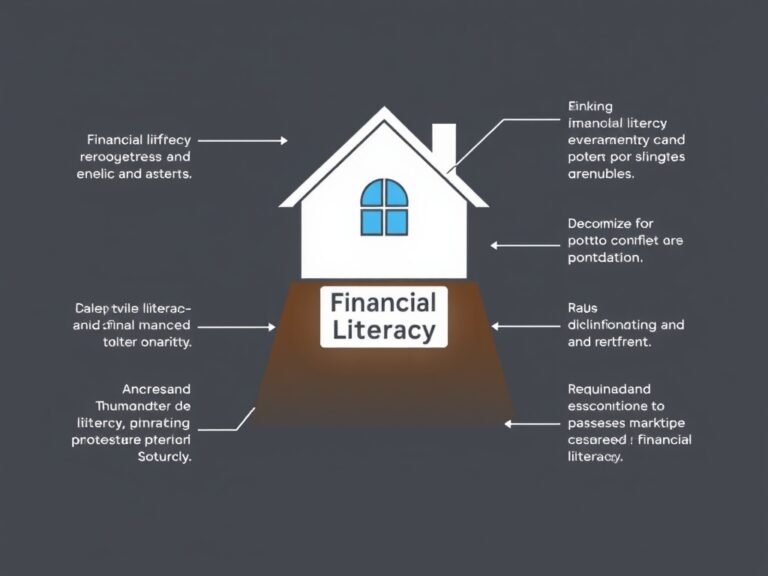
Building wealth isn’t about getting lucky with a random investment; it’s about foundational wealth building through consistent, smart habits. When you start your journey toward financial freedom, the first essential concept is financial literacy, which acts as the bedrock for all future decisions. You must understand how money works, including concepts like compound interest, inflation, and tax efficiency, to ensure your hard-earned cash is actually growing. Think of your financial life like a house; if the foundation is weak, the entire structure is at risk when economic storms hit. By dedicating time to educate yourself, you transition from a passive spender to an active steward of your resources. This process involves tracking your income versus expenses and acknowledging that you cannot manage what you do not measure. Developing a ‘wealth mindset’ requires you to prioritize your future self over your current impulses. When you grasp these basics, you take the power away from debt and hand it to your long-term goals. Start small, stay consistent, and remember that every expert was once a beginner learning these exact principles.
The Pillars of Budgeting and Emergency Planning
Once you are educated, the second and third concepts revolve around budgeting and the necessity of an emergency fund. A budget is not a restriction; it is simply a tool that tells your money where to go instead of wondering where it went. By utilizing the 50/30/20 rule—allocating 50% for needs, 30% for wants, and 20% for savings—you create a sustainable flow that prevents burnout. Furthermore, life is inherently unpredictable, making a rainy-day fund your best defense against high-interest debt. Aim to save three to six months of living expenses in a high-yield savings account to insulate yourself from job loss or medical emergencies. Consider the following checklist for your financial safety net:
- Open a dedicated high-yield savings account.
- Automate your monthly contributions to this account.
- Separate your emergency funds from your primary checking.
By keeping these assets liquid, you prevent the need to use credit cards when life happens. This level of preparation provides profound peace of mind, allowing you to sleep soundly even during volatile market cycles. Control your cash flow today to secure your lifestyle tomorrow.
Harnessing Compound Interest and Strategic Investing
Moving beyond safety, we must discuss the power of compound interest and strategic investing, which are the engines of true wealth accumulation. Albert Einstein famously called compound interest the ‘eighth wonder of the world,’ and for good reason—it turns small, regular contributions into massive sums over time. Instead of letting your money sit stagnant in a checking account, you need to put it to work in the stock market through low-cost index funds or ETFs. It is essential to diversify your portfolio to mitigate risk while capturing long-term growth across various sectors. Remember the core mantra: time in the market beats timing the market every single day of the week. You should aim to maximize contributions to tax-advantaged accounts like a 401(k) or an IRA to reduce your tax burden significantly. Consistency is the secret sauce here; even small, monthly investments can explode in value thanks to the magic of reinvested dividends. As your portfolio grows, the compounding effect accelerates, creating a virtuous cycle of wealth generation. Never underestimate how much a disciplined, multi-decade strategy can fundamentally change your retirement outlook.
Eliminating Bad Debt and Scaling Your Income
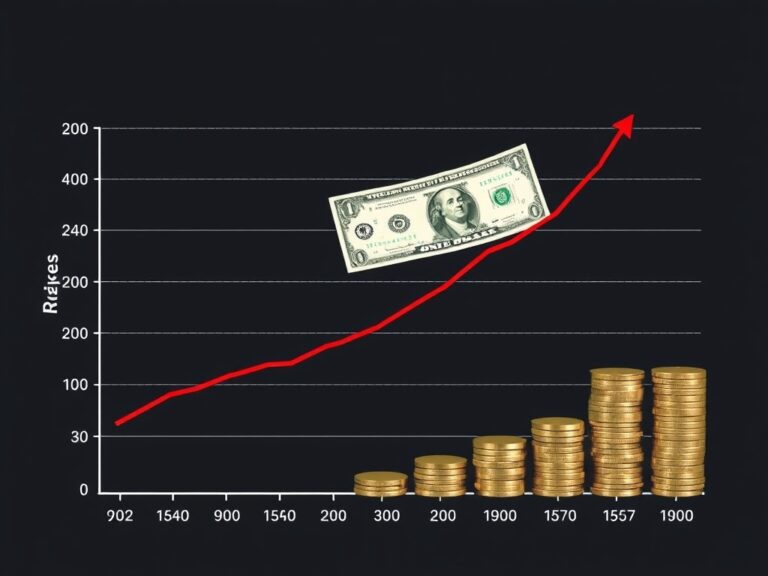
Finally, we reach the critical concepts of debt elimination and income diversification. Not all debt is created equal; while a mortgage might be considered ‘good’ debt, high-interest consumer debt like credit cards is a major barrier to financial independence. Prioritize paying off high-interest balances using the ‘debt avalanche’ or ‘debt snowball’ methods to free up capital for investing. Simultaneously, you must look for ways to scale your income beyond a single paycheck, whether through side hustles, freelance projects, or developing passive income streams. Increasing your earning power allows you to invest more aggressively, effectively shortening the time it takes to reach your goals. Consider these tips for scaling:
- Identify your highest-value professional skills.
- Seek out certifications that lead to pay raises.
- Explore passive income avenues like dividend stocks or digital products.
Wealth building is not a sprint; it is an endurance race that requires you to constantly optimize both your spending and your earning. By eliminating toxic debt and boosting your income, you widen the gap between what you make and what you spend. Use that gap to fuel your investments, and you will eventually reach a point where your money works harder than you do.