

Foundational Wealth Building: 5 Key Concepts for Long-Term Financial Success
Mastering Your Financial Future: The Basics of Wealth Building
Building long-term wealth isn’t just for the ultra-rich; it’s a strategic journey accessible to anyone willing to master foundational wealth building. Think of your finances as a house: you cannot build the roof before you have a solid foundation. Financial success starts with a mindset shift from impulsive spending to intentional growth. You need to assess your current net worth, understand your cash flow, and set clear, measurable goals for your future. Whether you are aiming to pay off debt or save for retirement, clarity is your best friend. Start by tracking every penny to see where your money currently goes, as small leaks can sink a large ship. Remember, the journey of a thousand miles begins with a single, well-planned budget. By identifying your values and priorities, you can align your spending with your long-term vision. This is the first step toward true financial freedom, allowing you to control your money rather than letting it control you. Stay patient and consistent, as wealth is a marathon, not a sprint.
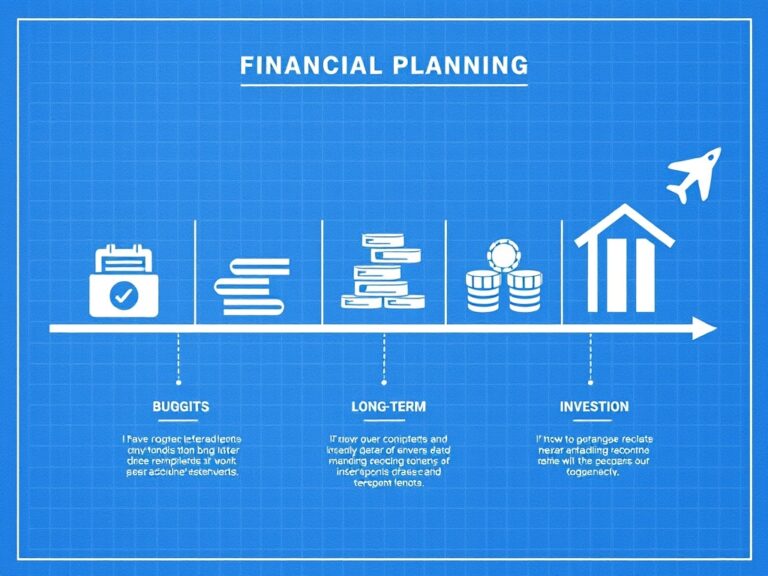
1. The Power of Budgeting and Cash Flow Management
A budget is not a restriction; it is a roadmap that tells your money exactly where to go. Effective cash flow management allows you to prioritize high-interest debt repayment while still setting aside funds for your future self.
- Track your income versus expenses monthly.
- Identify ‘needs’ versus ‘wants’ to cut unnecessary waste.
- Allocate a percentage for emergency savings.
- Automate your savings to remove the temptation to spend.
By keeping your expenses lower than your income, you create the surplus capital required for investing. This simple habit is the cornerstone of wealth creation and protects you from the stress of living paycheck to paycheck. When you manage your cash flow, you gain the confidence to make bigger moves later. Try using apps or spreadsheets to visualize your progress over time. Seeing your bank balance grow is a powerful motivator that encourages you to stick to your goals. You are the architect of your financial destiny, so start building a strong structure today.
2. Building an Emergency Fund: Your Financial Safety Net
Before you dive into the stock market, you must have an emergency fund to protect your assets from unforeseen life events. Life is unpredictable—medical bills, car repairs, or sudden job loss can derail even the best plans if you aren’t prepared. Aim to save at least three to six months of essential living expenses in a high-yield savings account. This liquid cash acts as a buffer, ensuring you don’t have to go into high-interest debt when things go sideways. Peace of mind is the hidden benefit of having a healthy emergency reserve. When you know you are covered, you can invest with a clearer, more rational head, avoiding panic-selling during market dips. Treat this fund as an essential monthly bill that you pay to your future self. Once you have this safety net in place, the path to investing becomes much less intimidating and far more sustainable. Never compromise your security for the sake of aggressive gains; wealth requires protection as much as growth.

3. Leveraging Compound Interest Through Investing
The secret weapon of the world’s most successful people is compound interest, often called the ‘eighth wonder of the world.’ By starting your investment journey early, even with modest amounts, you allow your money to work for you rather than just working for your money. Long-term investing is about patience, consistency, and the discipline to stay invested through various market cycles. Consider diversifying your portfolio with low-cost index funds or ETFs to balance risk and reward effectively.
- Start investing as early as possible to maximize time.
- Reinvest all dividends to accelerate growth.
- Focus on broad market exposure to mitigate specific stock risk.
- Ignore short-term volatility and maintain your long-term focus.
Compounding is slow at first, but it gains massive momentum over years and decades. If you wait until you are older, you lose the most powerful tool in your arsenal—time. Invest for the long haul, ignore the noise of daily market fluctuations, and trust the process of wealth building to multiply your initial efforts over time.
4. Debt Management: Eliminating the Wealth Killer
Not all debt is created equal, but high-interest debt like credit card balances is a significant barrier to financial independence. Interest payments are essentially ‘negative compounding’ that eats away at your hard-earned income every single month. Prioritize clearing out these toxic debts using strategies like the ‘Debt Snowball’ or ‘Debt Avalanche’ methods. Once these burdens are removed, you can redirect those monthly payments toward your wealth-building goals. Understanding the difference between ‘good debt’—like a low-interest mortgage or business loan—and ‘bad debt’ is a vital skill. Debt management is about taking ownership of your financial history and ensuring that you are not paying more in interest than you are earning in growth. Always look for ways to refinance or consolidate if it reduces your interest burden. Freedom starts the day your debt-to-income ratio drops to zero. Imagine the relief of owning your life completely, free from the obligations of past spending choices. With a clear slate, you can finally focus your energy on creating a legacy of lasting wealth.