Foundational Principles for Building Long-Term Wealth: A Strategic Guide
Mastering the Mindset of Financial Freedom
Building long-term wealth isn’t just about what’s in your bank account; it’s about shifting your mindset toward sustainable growth and patience. Think of wealth creation as planting a forest rather than growing a quick houseplant—it requires time, consistent care, and a long-term vision. Many people get distracted by the allure of ‘get-rich-quick’ schemes, but true financial independence is usually born from boring, disciplined habits. Financial literacy is your greatest asset here, acting as the foundation upon which all your future decisions will rest. You need to understand how money flows, how interest compounds, and why your behavior matters more than your starting salary. Start by tracking your net worth and setting clear, actionable goals that keep you motivated during the lean months. Remember, the journey to millions is often made of small, intentional steps taken daily. Ask yourself: am I building for today’s convenience, or tomorrow’s freedom? By prioritizing your future self, you are already ahead of 90% of the population. Let’s dive into the core pillars that turn this ambition into a reality.

The Power of Strategic Budgeting and Cash Flow
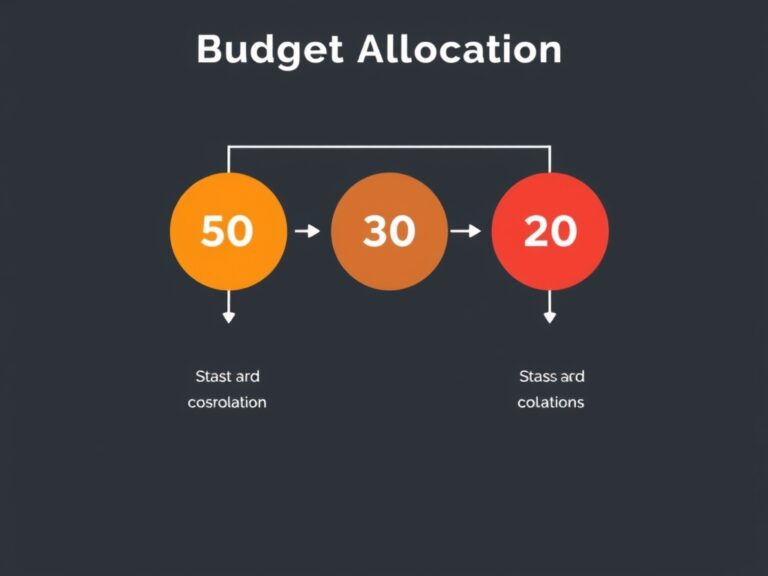
Before you can invest, you must master the art of cash flow management, which is the engine of your financial vehicle. It isn’t just about cutting costs; it’s about optimizing your spending so that more capital is funneled toward wealth-building assets. Consider using the
- 50/30/20 rule: 50% for needs, 30% for wants, and 20% for savings and investments
to bring immediate structure to your finances. Tracking every dollar helps you spot ‘leaks’—those small, recurring subscriptions or impulsive buys that quietly drain your potential. When you gain control over your spending, you unlock the ability to increase your savings rate, which is the most significant indicator of how fast you can retire. Think of your budget as a roadmap rather than a restriction; it tells your money exactly where to go. Automation is your best friend here, so set up automatic transfers to your investment accounts immediately after payday. If you don’t manage your cash flow, your cash flow will manage you, often leading to debt cycles. Take the time to audit your finances this week and see where you can reclaim your capital. Building wealth is as much about what you keep as what you earn.
The Magic of Compounding and Strategic Investing
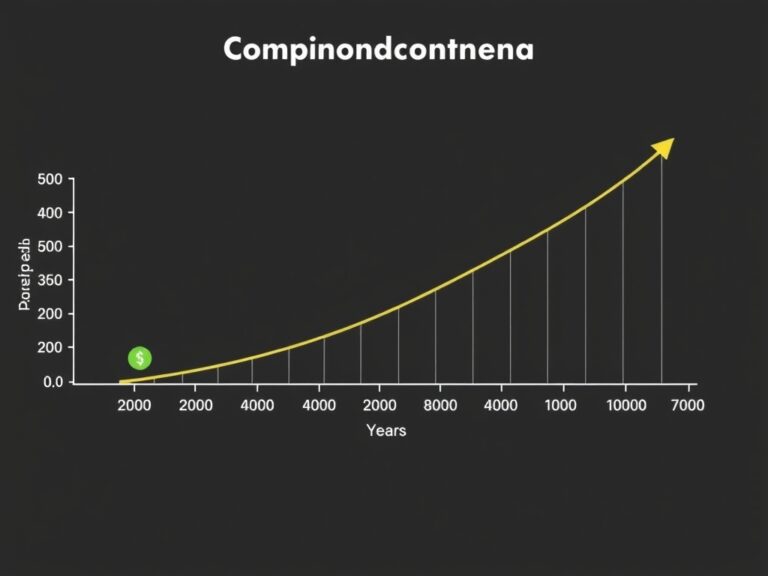
Once you have a handle on your cash flow, it is time to put your money to work through the miracle of compound interest. Investing is the process of buying assets—like index funds, real estate, or stocks—that increase in value or pay you while you sleep. The market has its ups and downs, but time in the market consistently beats timing the market for the vast majority of investors. You should aim to diversify your portfolio to minimize risk while capturing broad economic growth.
- Low-cost index funds
- Real estate investment trusts
- Retirement accounts like 401(k) or IRA
represent excellent vehicles for long-term growth. Remember that inflation is the silent killer of wealth, so leaving money in a standard savings account is actually a losing game in the long run. By investing strategically, you ensure your purchasing power grows alongside the economy. It is vital to stay the course during market volatility, as selling in a panic is the fastest way to derail your progress. Focus on your long-term horizon rather than daily ticker symbols. Consistent contributions, regardless of market sentiment, are the hallmark of a savvy investor. Wealth is rarely about luck; it is about systematic, repeatable actions.
Building Protective Moats Around Your Wealth
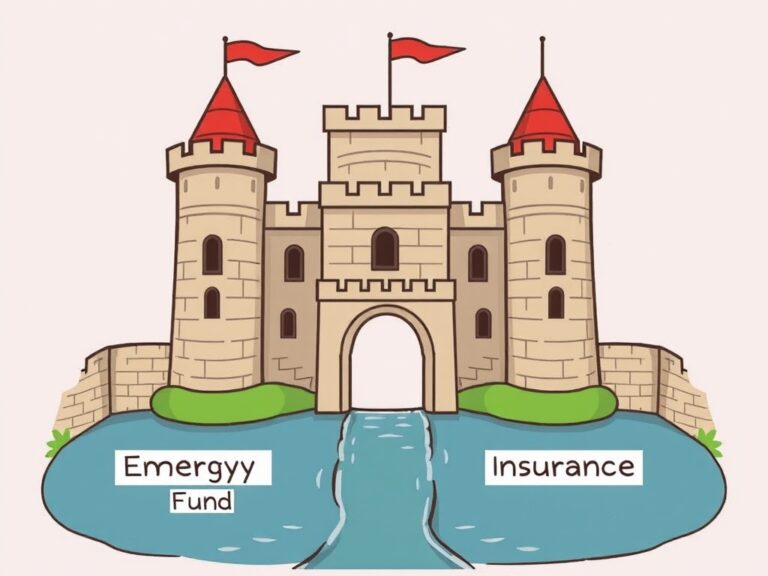
Finally, no financial plan is complete without a defensive strategy to protect everything you’ve built. Unexpected events, such as medical emergencies, job loss, or legal issues, can wipe out years of hard work if you aren’t prepared. Your first line of defense is an emergency fund, ideally covering 3 to 6 months of living expenses, held in a high-yield savings account. Beyond that, consider insurance as a tool for wealth preservation rather than just an expense. Protecting your income and your assets ensures that one ‘bad luck’ event doesn’t reset your progress to zero. Also, be mindful of tax efficiency; using tax-advantaged accounts can significantly boost your net returns over a 20-year period. Creating a ‘moat’ around your wealth means you can navigate life’s inevitable storms without having to liquidate your investments. Review your insurance coverage, update your beneficiaries, and ensure your estate plan is in place to protect your legacy. True financial peace of mind comes when you know you are bulletproof against common financial hazards. Stay diligent, stay educated, and remain committed to your long-term vision. You are building a legacy, and that is a journey worth every bit of the effort.