
Foundational Principles for Building Long-Term Wealth: A Strategic Guide
Mastering the Mindset of Financial Freedom
Building long-term wealth isn’t just about how much you earn; it is fundamentally about your financial psychology and the habits you cultivate daily. To start your journey, you must shift your perspective from short-term gratification to long-term sustainability by prioritizing delayed gratification. Think of wealth as a marathon rather than a sprint, where consistency acts as your greatest asset. Many people fail because they seek overnight success, but true prosperity is built on small, repeatable actions. You should start by tracking your expenses to identify where your hard-earned money goes every month. By understanding your cash flow, you gain the power to make intentional decisions that align with your financial goals. Remember, your financial foundation is only as strong as the discipline you apply when no one is watching. It is time to treat your personal finances like a professional business venture to ensure growth. Establishing a clear vision of what wealth means to you—whether it is early retirement, traveling, or financial independence—is the essential first step. Keep this vision top of mind whenever you are tempted to break your budget for impulsive purchases.

The Pillars of Strategic Budgeting and Savings
Once your mindset is calibrated, you need a robust framework to manage your resources effectively through strategic budgeting. A popular and effective method is the 50/30/20 rule: 50% for needs, 30% for wants, and 20% for future goals. This simple structure helps you maintain balance without feeling restricted, making it easier to stick with your plan for the long haul.
- Prioritize high-interest debt repayment first to save on interest costs.
- Automate your savings to ensure that you pay yourself before you pay anyone else.
- Build an emergency fund covering three to six months of expenses to protect your progress.
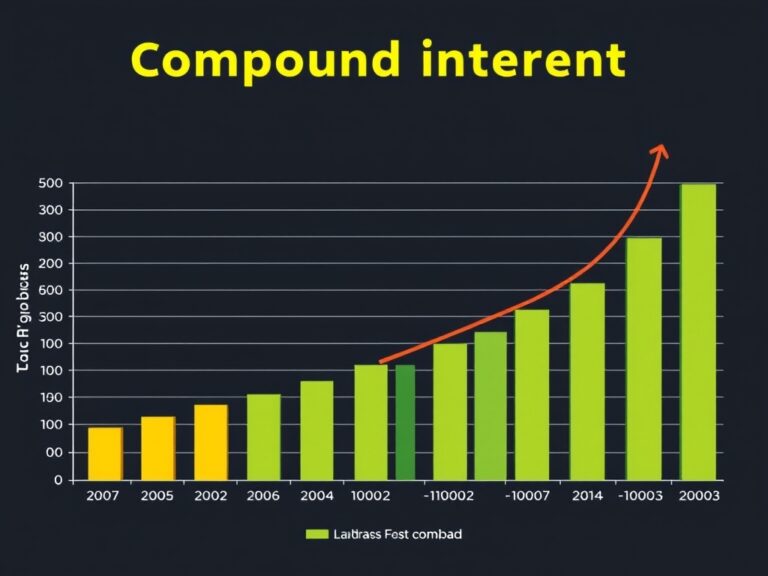
It is vital to view your savings not as a leftover, but as a mandatory monthly expense. When you automate these processes, you remove the emotional burden of manual decision-making. If you are struggling, start small by saving just a fraction of your income and gradually increase that percentage as your salary grows. Consistency is the magic ingredient that transforms modest savings into substantial wealth over time. Never underestimate the impact of compounding interest on the money you set aside early in your career. By maintaining this structure, you create a safety net that allows you to take calculated risks when opportunities arise in the future.
The Engine of Growth: Investing for the Future
Saving is just the defensive side of wealth building; to truly grow your net worth, you must embrace intelligent investing. The stock market, real estate, and diversified index funds are powerful tools that allow your money to work for you while you sleep. You don’t need to be a Wall Street expert to benefit from compounding; in fact, simple, low-cost index funds often outperform complex portfolios. Diversification is the golden rule of investing, ensuring that your financial well-being isn’t tied to a single asset or company. Key investment strategies include:
- Investing in low-cost, broad-market ETFs for long-term exposure.
- Utilizing tax-advantaged accounts like 401(k)s or IRAs to maximize your growth.
- Reinvesting all dividends to accelerate the compounding cycle of your assets.
Market volatility is inevitable, but if you have a long-term strategy, you can view market dips as a sale rather than a reason to panic. Education is your best defense against bad investment decisions, so dedicate time to understanding the assets you own. Never invest in something you don’t fully comprehend, as knowledge significantly reduces risk. By keeping your fees low and your investment horizon long, you position yourself to build generational wealth that will last for decades to come.
Staying the Course: Consistency and Continuous Learning
Finally, the most important element of your wealth-building journey is your commitment to continuous financial education and adaptation. The economic landscape is constantly shifting, so you must remain agile and informed to protect your assets. Surround yourself with books, podcasts, and communities that emphasize wealth-building principles over get-rich-quick schemes. It is perfectly okay to refine your strategy as your life changes, whether you are starting a family, changing careers, or nearing retirement. Review your financial plan at least once a year to ensure your allocations still match your personal objectives and risk tolerance.
- Seek guidance from a fiduciary financial advisor if you need a personalized touch.
- Always stay curious about new tax strategies or investment vehicles that might benefit you.
- Celebrate the small milestones along the way to keep your motivation high during the process.
Building long-term wealth is a journey that requires patience, courage, and a focus on what you can control rather than market noise. By sticking to these foundational principles, you are setting yourself up for a life of freedom and security. Remember, the best time to start was yesterday, but the second-best time is right now. Your future self will surely thank you for the disciplined choices you make today. Embrace the process, stay persistent, and enjoy the rewards of your hard work as you secure your financial legacy.