
Foundational Concepts for Building Long-Term Wealth: A Strategic Guide
Mastering Your Financial Mindset
Building long-term wealth isn’t just about the numbers in your bank account; it is fundamentally about your mindset and how you view the concept of money. To truly succeed, you must shift from a ‘spender’ mentality to a ‘wealth-builder’ perspective, which prioritizes future security over instant gratification. Think of your financial journey as a marathon rather than a sprint, where consistency is your greatest ally in compounding growth. By setting clear, measurable goals, you provide your brain with a roadmap to navigate complex financial decisions. Consider the power of an emergency fund, which acts as your safety net, preventing you from dipping into your investments when life throws a curveball. It is essential to recognize that wealth is a tool designed to give you options and freedom, not just a status symbol. You should strive to educate yourself constantly, as financial literacy is the single most valuable asset you can cultivate. Start by auditing your current habits, identifying areas where you can trim expenses, and redirecting those funds toward high-yield savings or assets. Remember, the journey to financial independence starts with a single, deliberate decision to prioritize your future self.
- Prioritize long-term goals over impulsive purchases.
- View money as a vehicle for freedom.
- Educate yourself on basic investment principles.

The Art of Budgeting and Cash Flow Management
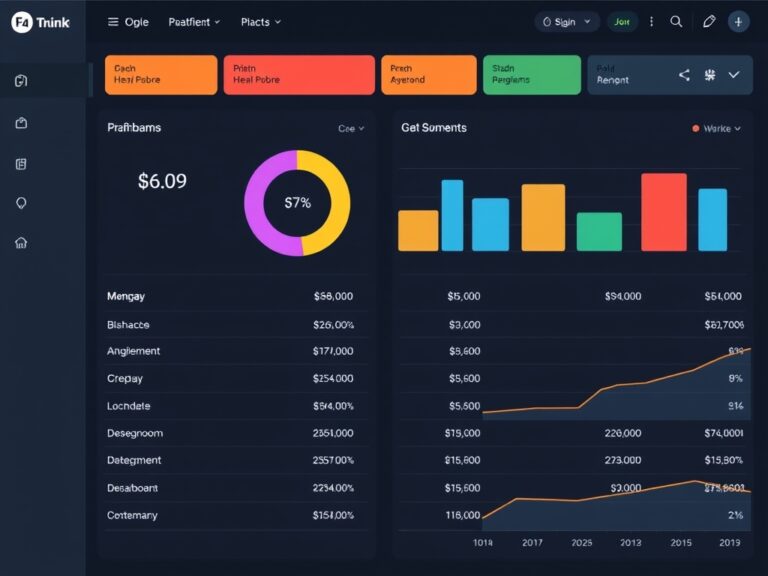
A solid budget is the engine that drives your strategic wealth building plan, yet many people view it as a restrictive cage rather than a liberating tool. In reality, a well-crafted budget allows you to allocate your resources intentionally, ensuring that every dollar has a specific job to perform. By tracking your income and expenses, you gain the clarity needed to identify ‘leaks’ in your spending, such as unused subscriptions or unnecessary luxury items. Implement the 50/30/20 rule, which suggests allocating 50% of your income to needs, 30% to wants, and 20% to savings and debt repayment. This framework is highly flexible, meaning you can adjust the percentages based on your unique financial situation and career stage. Automating your savings is a pro-level tip that removes the emotional hurdle of ‘deciding’ to save each month. When you treat your savings like a non-negotiable bill, you guarantee that your future self is always paid first. Don’t be afraid to use digital tools or apps to visualize your cash flow; seeing your progress in real-time can be incredibly motivating. Remember that controlling your cash flow is not about deprivation; it is about choosing what you value most. Over time, these small, disciplined choices accumulate to create a massive financial advantage that compound-interest will eventually supercharge.
- Use automation to ensure consistent saving.
- Track expenses to eliminate unnecessary waste.
- The 50/30/20 rule provides a balanced foundation.
Harnessing the Power of Compounding Interest
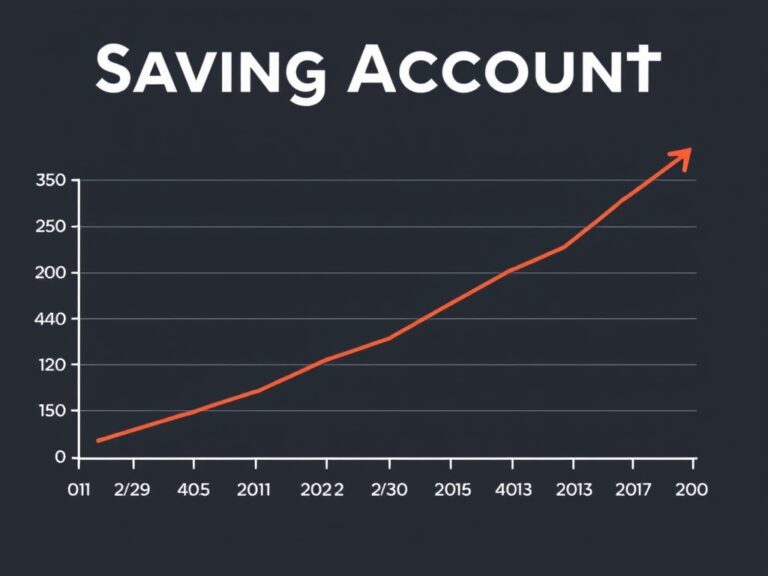
If there is a secret sauce to building wealth, it is undoubtedly compound interest—often called the ‘eighth wonder of the world.’ By investing early, you allow your money to earn interest on top of previously earned interest, which creates an exponential growth curve over decades. The earlier you start, the less effort you have to exert to reach your goals, as time does the heavy lifting for you. Even small, regular contributions to a diversified investment account can bloom into a substantial nest egg over the span of twenty or thirty years. Avoid the trap of trying to ‘time the market,’ as historically, time in the market beats timing the market every single time. Diversification is your shield against volatility, meaning you should spread your investments across various sectors and asset classes to reduce risk. Think of your portfolio as a garden; you plant the seeds (initial capital) today, water them regularly (add contributions), and let nature (compounding) do the work. Don’t be swayed by get-rich-quick schemes that promise high returns with low risk, as these are rarely sustainable. Focus instead on low-cost index funds or ETFs that provide broad exposure to the global economy. By staying patient and maintaining a long-term outlook, you effectively harness the most powerful engine in the financial world.
- Start investing as early as possible to maximize compounding.
- Diversify your assets to minimize risk.
- Focus on low-cost, long-term investment vehicles.
Creating Sustainable Wealth Habits
The final pillar of building lasting wealth is the development of sustainable habits that evolve alongside your career and income. It is easy to fall into ‘lifestyle creep,’ where your spending increases every time you get a raise, but avoiding this trap is the key to maintaining a high savings rate. Instead of upgrading your lifestyle immediately, consider splitting your raises—perhaps putting half toward an improved lifestyle and the other half directly into your investment accounts. Surround yourself with peers or communities who also value financial discipline and long-term thinking, as your environment significantly influences your behavior. Schedule a monthly ‘financial check-in’ to review your progress, celebrate your milestones, and adjust your strategy if life circumstances have changed. Keeping your financial documents organized is a simple but underrated habit that saves time and reduces stress during tax season. Always remain curious, keep reading personal finance books, and stay updated on tax-advantaged accounts like IRAs or 401(k)s. True wealth is not just about the destination of ‘being rich,’ but about the peace of mind you gain by having a solid foundation under your feet. By committing to these foundational concepts, you are not just building money; you are building a life of autonomy and choice. Stay focused, stay disciplined, and enjoy the process of watching your financial security grow.
- Avoid lifestyle creep by splitting raises between spending and saving.
- Conduct monthly check-ins to stay on track.
- Invest in your own knowledge and financial literacy.