
Decoding the Markets: A Plain-English Guide to Economic Indicators and Trends
Understanding the Pulse of the Global Economy
Have you ever felt like financial news is written in a secret language designed to keep you on the outside? You are definitely not alone, but here is the good news: economic indicators are actually just data points that tell a story about how the world is spending, working, and growing. Think of these indicators as the vital signs of the global economy, helping us diagnose whether things are heating up or cooling down. When we talk about market trends, we are simply observing patterns in this data that suggest where we might be heading next. By learning to decode these signals, you shift from being a passive observer to an informed participant in your own financial future. It is not about having a PhD in economics; it is about knowing which headlines actually matter and which ones are just noise. Let’s break down the most essential indicators that every investor should keep on their radar. We will explore how these metrics influence everything from your grocery bill to the performance of your retirement portfolio. Understanding these basics is the first step toward building true financial confidence in an unpredictable market environment.
The Big Three: GDP, Inflation, and Employment
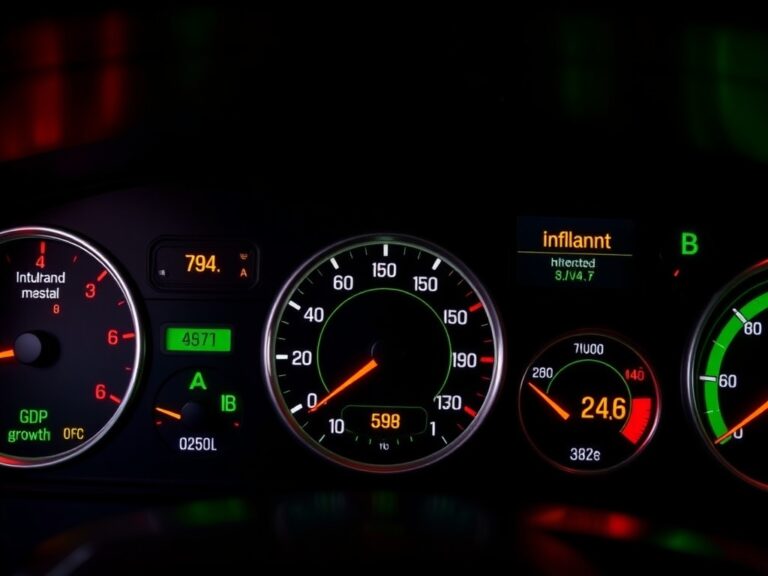
If you only watch three things, make them GDP (Gross Domestic Product), Inflation (CPI), and the Jobs Report.
- GDP measures the total value of goods and services produced; it’s the ultimate report card for an economy’s health.
- Inflation, often measured by the Consumer Price Index, tracks the cost of living and reveals how far your money actually goes.
- Employment data shows us how many people are earning, which directly impacts consumer spending power.
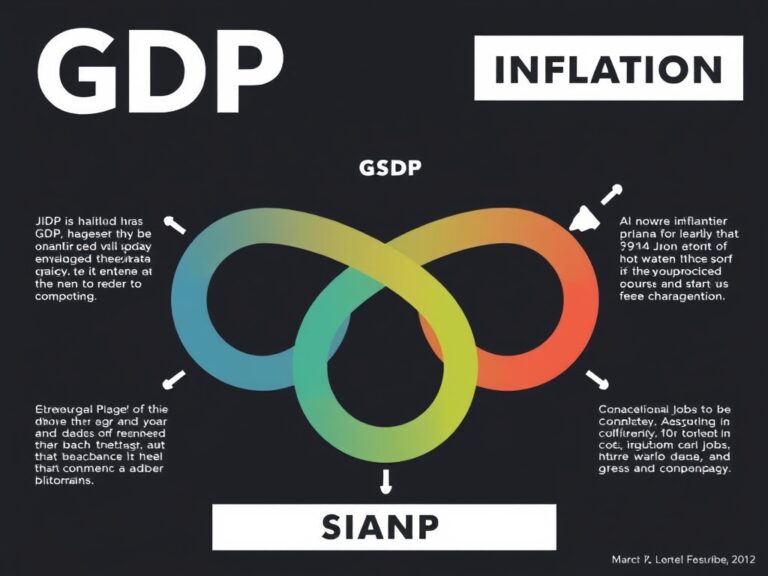
When GDP grows, businesses generally thrive, but if it happens too quickly, inflation often tags along for the ride. High inflation can erode your savings, which is why central banks often step in by adjusting interest rates. The jobs report is equally critical because when people have secure income, they feel comfortable investing and shopping. These three indicators are deeply interconnected, creating a ripple effect that touches every sector of the market. Monitoring them allows you to anticipate shifts in market sentiment before they become mainstream headlines. It is like having a weather map for your wallet, helping you prepare for potential storms or sunny days ahead.
Decoding Market Trends Like a Pro
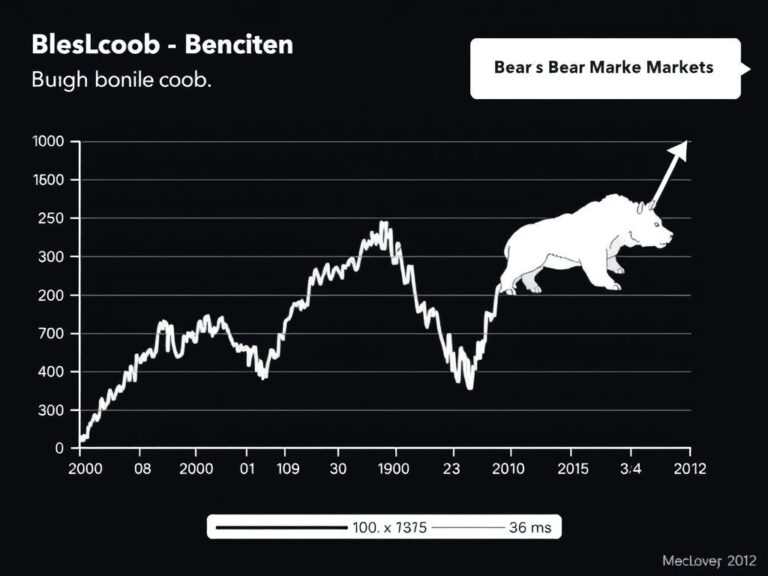
Once you understand the basic indicators, you can start identifying market trends more effectively. Trends usually fall into three categories: bullish (upward momentum), bearish (downward pressure), or sideways (consolidation). A market trend isn’t just about daily fluctuations; it’s about the underlying direction driven by investor confidence and fiscal policy. Economic sentiment plays a massive role here, as fear and greed often move the markets more than the actual data does. When positive indicators align—like low unemployment combined with steady GDP growth—you often see a strong bull trend emerge. Conversely, when investors see rising inflation or cooling productivity, they often pull back, signaling a potential shift. You don’t need to time the market perfectly to benefit from these trends; you just need to align your strategy with the prevailing economic reality. Consistency in your analysis will help you strip away the hype and focus on the data that truly impacts your bottom line. Always remember that historical trends, while helpful, are not guaranteed predictors of the future.
Putting It All Into Action
So, how do you take this knowledge and turn it into actionable strategy? It begins with staying curious and keeping a pulse on the major monthly announcements that move the needles. You should maintain a simplified investment plan that isn’t derailed by short-term volatility or sensationalist news cycles. Consider these steps:
- Check your portfolio against your long-term goals, not daily news alerts.
- Diversify your assets to help mitigate the risks associated with specific economic shifts.
- Use periods of volatility as an opportunity to review and rebalance your holdings.
- Stay educated, but avoid the trap of ‘analysis paralysis’ where you fear taking any action at all.
Investing is a marathon, not a sprint, and understanding the economic landscape is your best tool for staying the course. When you view the markets through the lens of data rather than emotion, you become a much more resilient investor. Don’t worry about being perfect; focus on being informed and disciplined. By decoding the noise and focusing on the core indicators, you empower yourself to make decisions that align with your personal financial objectives. Welcome to a more confident way of navigating the complex world of finance.