
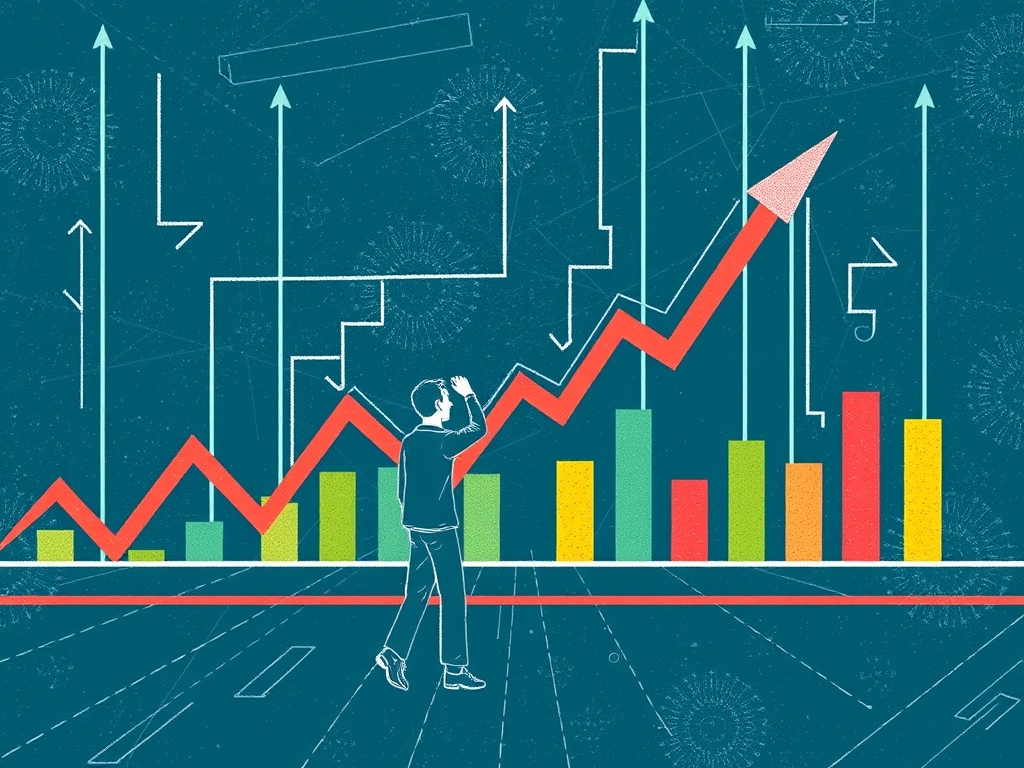
Decoding the Economy: A Plain English Guide to Market Movements and Indicators
Decoding the Economy: Why Market Movements Matter
Have you ever watched the evening news and felt like the financial reports were written in an ancient, secret language? Market movements might seem like mysterious oscillations on a ticker, but they are actually the heartbeat of our global society. Understanding these shifts isn’t just for Wall Street pros; it’s a vital skill for anyone managing personal finances. At its core, the economy is simply the sum of how we produce, trade, and consume goods and services. When we look at market volatility, we are really just observing collective human behavior at scale. By learning to decode these patterns, you empower yourself to make better decisions, whether you are planning your retirement or deciding on your next big purchase. Let’s peel back the layers of jargon and look at what actually drives the numbers you see on your screen. You don’t need a PhD in economics to grasp the basics of supply, demand, and sentiment. In this guide, we will break down the indicators that shape your financial reality every single day.

The Big Three: Essential Economic Indicators
To really get a handle on how the economy functions, we need to focus on a few key metrics that act as our navigational compass. First, we have Gross Domestic Product (GDP), which is essentially the total value of everything our country produces; think of it as the economy’s report card. Next, we monitor the Consumer Price Index (CPI), which tracks inflation and tells us if our hard-earned dollars are losing purchasing power over time. Finally, the Unemployment Rate provides a snapshot of labor market health, as a busy workforce usually signals a thriving, confident economy. These three pillars interact in complex ways, and understanding them helps you spot shifts before they hit your wallet. Here are the things to keep an eye on:
- GDP growth: Is the economy expanding?
- Inflation levels: Are prices rising too fast?
- Jobs data: Is the labor market tight or loose?
By keeping these indicators on your radar, you can shift from feeling overwhelmed by headlines to feeling prepared for the future.
Why Sentiment Rules the Market
Numbers tell us what happened, but investor sentiment often tells us what might happen next. Sometimes, markets move based on pure emotion rather than hard, cold facts, which is why psychology plays such a massive role in economics. When people are optimistic, they spend more and invest in riskier assets, creating a cycle of growth. However, when fear sets in, even a strong economy can see a dip as investors pull back and hoard cash. This emotional cycle is a natural part of any market, and recognizing it can save you from making panicked decisions based on temporary trends. It is helpful to remember that markets are essentially a collection of millions of individual decisions driven by both logic and fear. When you see a sudden drop in the stock market, ask yourself: is this based on a structural flaw or just a wave of market anxiety? Learning to separate objective economic data from the noise of public panic is the secret weapon of the savvy investor. Stay focused on your long-term goals instead of chasing short-term emotional highs and lows.
Practical Tips for the Everyday Investor
So, how can you apply this knowledge to improve your financial well-being without losing sleep? Start by keeping a long-term perspective; the economy is inherently cyclical, and markets historically trend upward despite the inevitable dips. Diversification is your best friend when it comes to managing the risks associated with market fluctuations. Instead of betting on one specific sector or asset, spread your resources to ensure that a downturn in one area doesn’t derail your entire portfolio. You might also want to embrace dollar-cost averaging, where you invest a fixed amount regularly regardless of the current price. This simple strategy allows you to buy more when prices are low and less when they are high, smoothing out the bumps along the way. Remember to keep an emergency fund as a buffer against unexpected economic surprises, ensuring you don’t have to sell your assets during a market downturn. By staying informed, disciplined, and patient, you can navigate the complex world of the economy with confidence and clarity. The goal isn’t to predict every market move perfectly, but to be resilient enough to thrive no matter what the trends do next.