
Decoding the Economy: A Plain English Analysis of Market Movements and Key Indicators
Understanding the Pulse of the Global Economy
Have you ever found yourself watching the evening news, listening to pundits discuss market movements and feeling like they are speaking a completely different language? You are certainly not alone in that frustration, as the economy can often feel like a complex, impenetrable fortress of jargon. However, decoding the economy is far simpler than the experts make it seem; it is essentially the study of how we produce, distribute, and consume the things we value. By looking at a few key indicators, we can start to see the bigger picture of where the financial landscape is heading. Think of these indicators as the dashboard of a car, providing you with real-time data on your speed, fuel levels, and engine health. If we learn to interpret these signals, we stop reacting to every headline and start making informed, proactive decisions about our own financial futures. Whether you are an investor or just someone trying to keep your head above water, mastering these basics will empower you to navigate economic shifts with confidence. Let’s break down the most essential components of market behavior, ensuring you have the tools to analyze the noise effectively. Together, we will pull back the curtain on these metrics so that you can better grasp the forces shaping our daily lives and portfolios.
The Big Three: GDP, Inflation, and Employment
When experts talk about market health, they are almost always referring to three pillars: Gross Domestic Product (GDP), the inflation rate, and the unemployment rate.
- GDP serves as the scorecard for our national economic production.
- Inflation represents the silent tax that shifts your purchasing power.
- Employment data shows the engine room of consumer spending.
If the economy is a giant engine, these metrics are the primary sensors telling us if we are cruising along or heading for a stall. For instance, when GDP grows, it usually suggests businesses are selling more goods, which often leads to job creation. However, if inflation rises too quickly, it can eat away at those potential gains, forcing central banks to raise interest rates to cool things down. Watching these interplay dynamics is essentially how investors forecast the future, as they look for signs of overheating or stagnation. It is a balancing act of massive proportions, where one wrong move can ripple through every sector of the global market. By understanding how these three interact, you can start to see why your local bank might adjust your mortgage rates or why the stock market reacts to a single government report. You don’t need a PhD in economics to follow the trend lines—just a keen eye on these core pillars is usually enough.
Why Interest Rates Rule Everything Around Us
If there is one lever that moves the entire financial world, it is undoubtedly interest rates set by central banks like the Federal Reserve. You might wonder, why should I care about what a group of bankers does in a boardroom? Well, when rates are low, money is cheap to borrow, which fuels business expansion and consumer spending, often boosting the stock market. Conversely, when rates climb, the cost of borrowing increases, which acts like a brake on economic momentum to prevent runaway inflation. This cycle is the classic heartbeat of economic policy, and it directly affects your credit card bills, auto loans, and your high-yield savings account returns.
- Low rates = Economic stimulant (easier to borrow).
- High rates = Cooling measure (harder to borrow, higher returns on cash).
Whenever you see reports about the Fed meeting, know that they are recalibrating this delicate balance to maintain stable prices and maximum employment. Recognizing this relationship allows you to prepare your personal finances, such as paying down high-interest debt before rates climb further. By tracking these central bank decisions, you are essentially predicting the next chapter of the economic story before it is fully written in the headlines.
Navigating the Future with Confidence
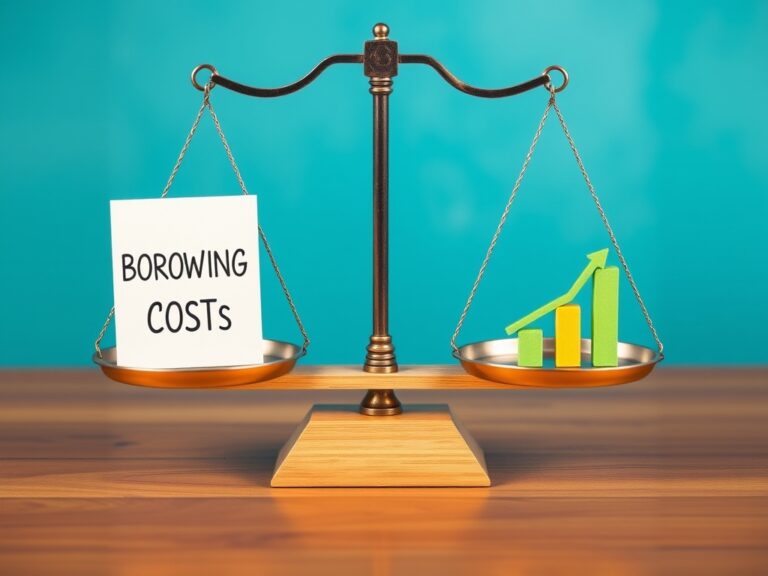
At the end of the day, decoding the economy is less about predicting the future with perfect accuracy and more about cultivating a resilient financial strategy. By focusing on the fundamental indicators we have discussed, you can cut through the sensationalist clickbait that often plagues financial news cycles. Remember that market volatility is a natural part of the cycle, and historical data proves that patience is often the greatest ally for long-term growth. When you understand the underlying mechanisms, those scary red arrows on the screen become mere blips rather than reasons to panic. Keep educating yourself, stay consistent with your savings goals, and maintain a diversified approach to manage your exposure.
- Stay informed, but don’t obsess over daily fluctuations.
- Prioritize emergency funds to navigate unexpected downturns.
- Focus on your personal long-term financial objectives rather than trends.
The goal is to reach a point where you are a calm participant in the economy rather than a worried observer, knowing that you have the knowledge to interpret what is happening around you. The economy is ultimately human behavior on a grand scale, and once you recognize that, the complexity starts to dissolve into something much more manageable. Thank you for taking the time to learn these basics, and may your financial journey be guided by data, discipline, and a clear vision for the future.