Building Long-Term Wealth: Essential Foundational Concepts for Financial Success
Mastering the Mindset of Wealth Creation
Building long-term wealth isn’t just about how much you earn; it is fundamentally about your mindset and how you manage the resources you have. Many people fall into the trap of thinking that wealth is reserved for the lucky few, but the reality is that financial success is often the result of deliberate, consistent habits. To start your journey, you must shift your perspective from spending to investing, recognizing that every dollar is a seed that can grow over time. Think of your financial future as a garden that requires patience, weeding, and consistent care to flourish into something substantial. It is crucial to understand that wealth is not a sprint, but rather a long-distance marathon that requires endurance and a clear strategy. By educating yourself on basic financial literacy, you empower yourself to make informed decisions that align with your long-term goals. Start by auditing your current financial situation, identifying areas where you can cut unnecessary costs to redirect those funds toward growth. Remember, the journey to financial freedom begins with a single, intentional step taken today, regardless of your current income level. You don’t need a massive windfall to start; you just need the discipline to maintain a growth-oriented approach consistently.

The Power of Compound Interest: Your Best Financial Friend
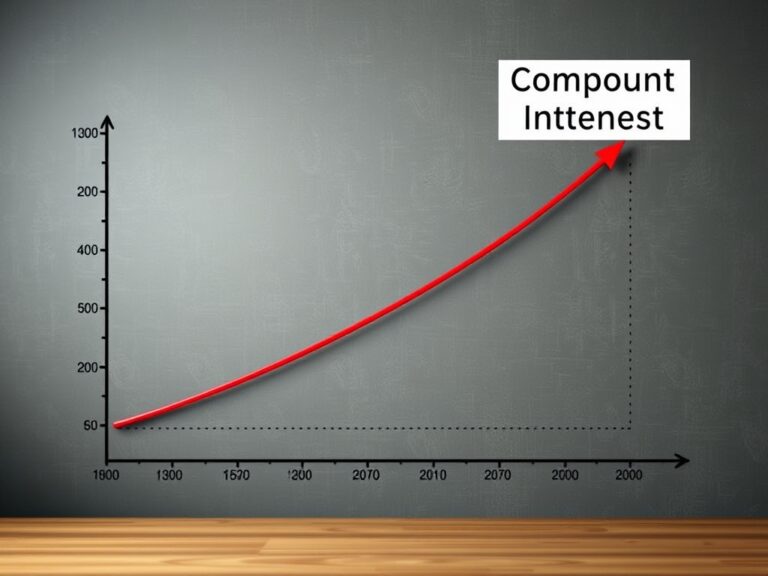
If there is one secret weapon in the world of personal finance, it is undoubtedly compound interest. Albert Einstein famously called it the eighth wonder of the world, and for good reason: it allows your money to earn interest on top of previous interest, creating a snowball effect over time. When you start investing early, your money has significantly more time to multiply, which is why time is often more valuable than the actual amount you invest. Consider the following key principles of compounding:
- Start as early as possible to maximize your time horizon.
- Stay consistent with your contributions, regardless of market volatility.
- Reinvest your dividends to accelerate the growth of your portfolio.
- Minimize high-interest debt that cancels out your gains.
By leveraging these strategies, you turn time into your most powerful asset, allowing even modest savings to grow into substantial wealth over decades. Don’t be discouraged by market fluctuations or the temptation to time the market, as these are merely bumps in the road to long-term success. The magic happens when you remain invested through various market cycles, trusting the mathematics of exponential growth to do the heavy lifting for you. It is essentially your money working harder for you than you ever could on your own.
Strategic Budgeting: Allocating for Success
Effective budgeting is the foundation of financial stability, serving as a roadmap for your hard-earned money. Rather than viewing a budget as a restrictive set of rules, try to see it as a tool for empowerment that gives you permission to spend on what truly matters while ensuring your future is protected. A highly effective method is the 50/30/20 rule, which provides a clear framework for your monthly cash flow:
- 50% for your essential needs like housing and utilities.
- 30% for your personal wants and lifestyle choices.
- 20% strictly for savings and investments.
By automating your savings, you remove the emotional burden of having to decide to ‘do the right thing’ every single month. Tracking your spending habits is equally important, as it helps you identify hidden ‘leaks’ in your budget, such as unused subscriptions or impulse purchases that hinder your progress. You should also ensure that you have an emergency fund in place, typically covering 3 to 6 months of living expenses, to act as a buffer against life’s inevitable surprises. This safety net prevents you from dipping into your long-term investments when unexpected expenses arise, keeping your wealth-building plan intact. When you control your expenses, you take back control of your financial destiny, making it easier to scale your investment contributions over time.

Diversification: Safeguarding Your Financial Future
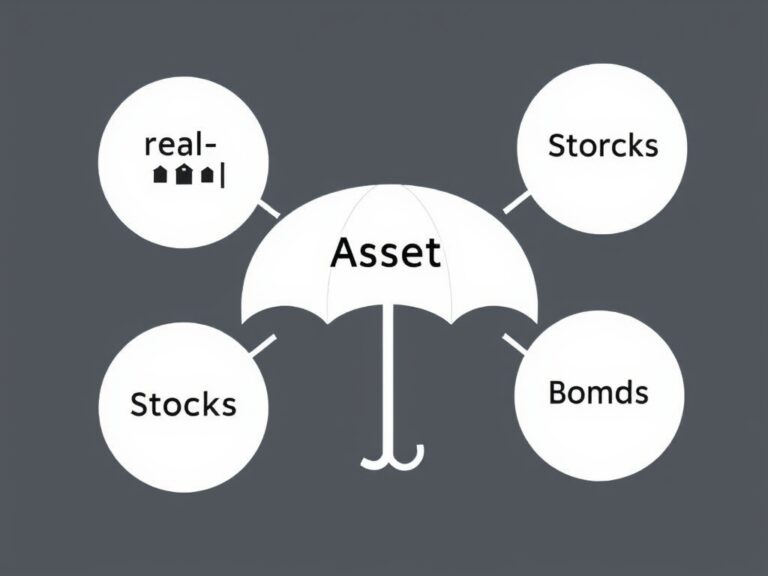
Finally, no conversation about building wealth is complete without discussing the importance of diversification. Putting all your eggs in one basket is a recipe for disaster in the investment world, as it exposes you to unnecessary risks if one specific industry or asset class takes a hit. Instead, you should aim to build a well-rounded portfolio that includes a mix of stocks, bonds, real estate, and perhaps other alternative investments to create a robust financial foundation. This strategy ensures that when one area of the market underperforms, others may remain stable or even grow, smoothing out the volatility of your total net worth. Consider using low-cost index funds or ETFs to gain instant, broad exposure to various sectors of the economy without needing to pick individual winning stocks. Diversification isn’t just about protecting your downside; it’s about capturing growth across the entire global economy. As you grow older, you may want to adjust your risk profile, gradually shifting towards more conservative assets, but the core principle of spreading your risk remains a constant. Always remember that the goal is to build long-term wealth that is resilient enough to withstand market crashes and economic downturns. By remaining focused on your foundational goals and diversifying your holdings, you position yourself to thrive in the long run while others scramble to react to short-term noise.