
Making Sense of Markets: A Plain-English Guide to Economic Indicators and Trends
Understanding the Economic Pulse: Why Market Indicators Matter
Have you ever felt like the stock market speaks a secret language that only Wall Street insiders understand? You aren’t alone; many investors feel overwhelmed by the constant barrage of financial jargon, yet economic indicators are simply tools to help us read the room. Think of these metrics as the vital signs of our global economy—they tell us whether the patient is thriving, struggling, or perhaps just cooling off after a long run. By keeping an eye on core data points, you can move from being a reactive investor to a proactive one who understands market sentiment. Whether it is employment numbers or manufacturing output, these reports provide the raw material needed to make informed decisions. It is not about predicting the future with a crystal ball, but rather about gathering the evidence needed to navigate uncertain times. Learning these basics will transform your financial literacy and give you the confidence to talk about the economy without scratching your head. Let’s strip away the complexity and focus on the trends that actually impact your portfolio and your wallet. After all, when you understand the mechanics of the market, you can stop fearing volatility and start preparing for the opportunities it creates. Remember, knowledge is your most valuable asset in the investing world. Mastering this guide will be your first step toward building a more resilient financial future for yourself and your family.
The Big Three: GDP, Inflation, and Employment Data
If there is a holy trinity of financial reporting, it is surely GDP, inflation, and unemployment. First, Gross Domestic Product (GDP) represents the total value of goods and services produced, essentially acting as the scorecard for a nation’s economic health. When GDP grows, it usually signifies a healthy, expanding business environment where companies are hiring and consumers are spending. Second, we have Inflation, which measures the rate at which the general level of prices is rising, directly affecting your purchasing power. If inflation spikes, your money doesn’t go as far, which is why central banks often adjust interest rates to keep things in check. Finally, unemployment data provides a window into the labor market, telling us how many people are active in the workforce and earning wages. You can track these through:
- The Consumer Price Index (CPI) for inflation trends.
- Non-farm payroll reports for job creation updates.
- Quarterly GDP releases from government bureaus.
Keeping these three metrics on your radar will give you a bird’s-eye view of where the economy is headed. By monitoring these consistently, you learn to spot the turning points in economic cycles before they hit the evening news. It’s not just about the numbers; it’s about understanding the human story behind the statistics. Always look at the historical context to see if current data is an outlier or part of a larger trend.
Decoding Market Trends and Cycles
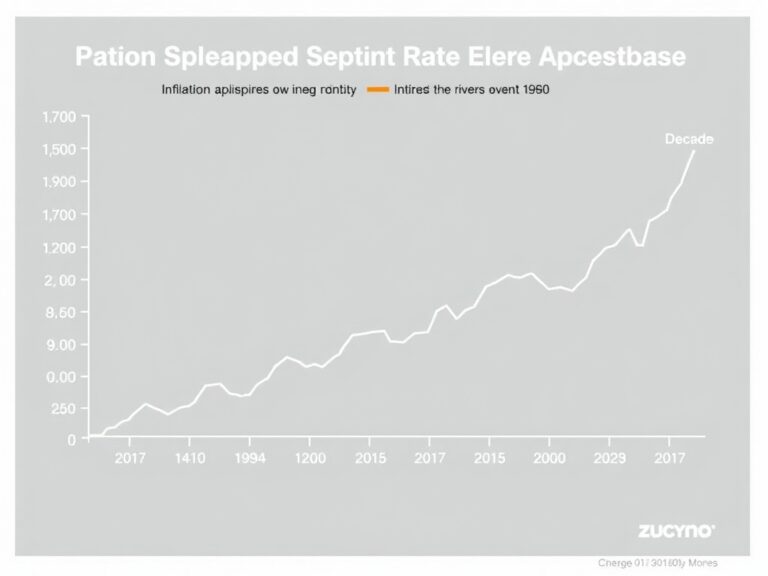
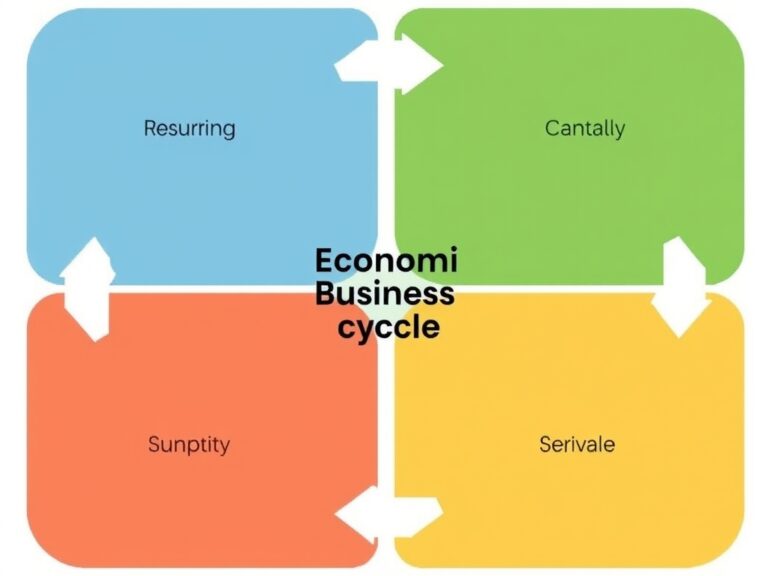
Markets never move in a straight line; they operate in cycles characterized by expansion, peak, contraction, and trough. Recognizing where we are in this cycle is critical because it dictates how you should approach your investments. During an expansionary phase, businesses are typically scaling, and riskier assets like stocks often perform well because growth is the primary narrative. Conversely, during a contraction, defensive sectors like utilities or consumer staples might become more attractive as investors seek safety. Identifying these shifts requires watching for leading, lagging, and coincident indicators. Leading indicators, like consumer confidence surveys, hint at what is coming next, while lagging indicators, like unemployment rates, confirm the trends that have already taken hold. Being aware of these cycles allows you to avoid panic selling when the market hits a temporary dip. Instead, you can look at the data to see if the underlying economic foundation remains strong. Consider these factors:
- Interest Rate Changes: High rates often cool the economy down.
- Consumer Spending: A major driver of the US economy.
- Corporate Earnings: The ultimate health check for public companies.
By synthesizing these elements, you can build an investment strategy that stays consistent regardless of the current noise. It is about playing the long game rather than chasing every short-term fluctuation you see online.
Turning Data Into Actionable Strategy
Now that you know what to watch, how do you actually use this information? The most important takeaway is to avoid analysis paralysis by focusing on trends rather than daily movements. Start by subscribing to reputable economic newsletters or government agency reports to get the data directly from the source. Diversification remains your best defense against economic uncertainty, as it ensures that no single indicator or cycle can wipe out your hard-earned progress. Always remember that emotional investing is the biggest enemy of long-term wealth, and data helps keep those emotions in check. If you see high inflation, you might review your exposure to bonds, or if you see strong job growth, you might maintain your equity positions. It is also wise to consult with a financial advisor who can help you interpret these complex reports in the context of your specific financial goals. You don’t have to be a professional economist to navigate the market; you just need to be observant and disciplined. Keep learning, stay curious about global events, and always evaluate how world news might correlate with your personal assets. With time, reading the economy will become second nature to you, and you will navigate the markets with much greater ease. Stay patient, keep your perspective wide, and remember that market volatility is simply the price of admission for long-term growth. Your future self will thank you for taking the time to understand these foundational principles today.