
Understanding the Markets: A Plain-English Guide to Economic Indicators and Trends
Decoding the Economic Pulse: Why Market Trends Matter
Have you ever wondered why the stock market seems to dance to its own rhythm, sometimes seemingly ignoring the news while at other times reacting violently to a single headline? Understanding economic indicators is essentially like learning to read the vital signs of a giant, living organism, which helps you make sense of the financial world. Whether you are a seasoned investor or just someone trying to grasp how the global economy functions, these metrics act as your compass in often turbulent waters. Think of indicators like the GDP or unemployment rates as the ‘weather report’ for your money, guiding you on when to spend, save, or invest aggressively. By grasping these concepts, you shift from being a passive observer of market volatility to an informed participant who can navigate cycles with confidence. We are going to strip away the jargon and break down exactly what these signals mean for your wallet. Getting a handle on these trends isn’t just for Wall Street professionals; it is a critical life skill for anyone interested in long-term financial health and stability. Let’s start this journey by simplifying the complex data that powers our world economy every single day.
The Big Three: GDP, Inflation, and Employment
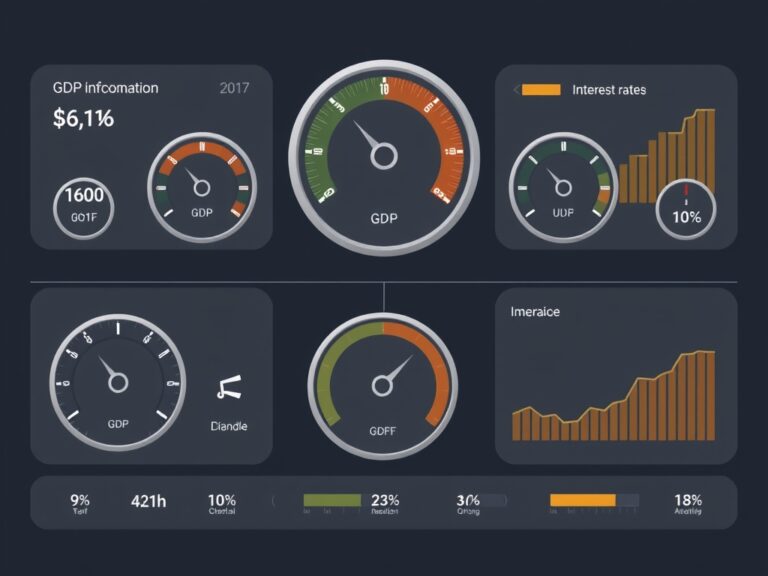
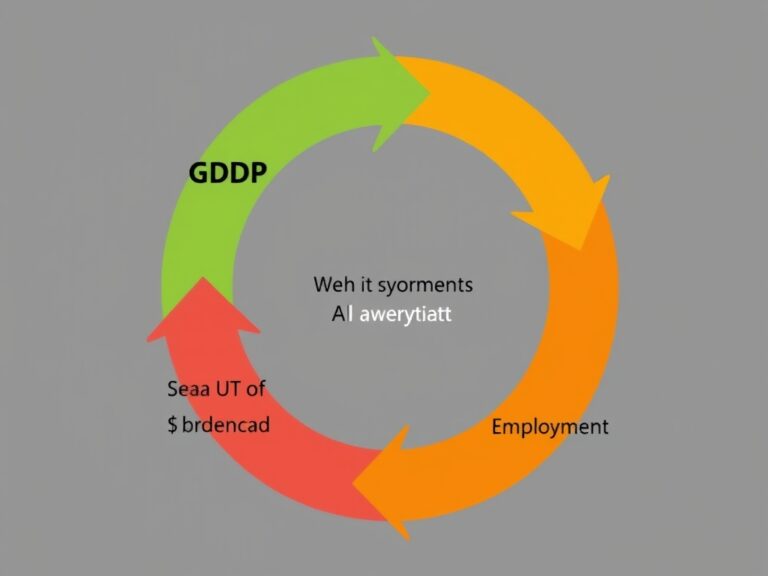
When economists talk about the health of a nation, they almost always reference a specific ‘Big Three’ that you should keep on your radar at all times: Gross Domestic Product (GDP), Consumer Price Index (CPI), and the Unemployment Rate. GDP acts as the total scoreboard for all goods and services produced, essentially telling us if the economy is expanding or shrinking over a specific period. Meanwhile, the CPI measures inflation, which is the sneaky silent thief that eats away at your purchasing power if left unchecked by central banks. Finally, employment data is the heartbeat of the economy; when people are working, they are spending, and when they are spending, businesses grow and the cycle thrives. To visualize how these affect your life, consider this breakdown:
- GDP: The ‘size’ of the pie available to everyone.
- Inflation: How much more you pay for the same slice of pie over time.
- Employment: How many people have the tools to earn a slice of that pie.
These factors do not operate in silos; they are deeply interconnected, forming a delicate feedback loop that dictates interest rate hikes or stimulus packages. Watching these closely helps you anticipate shifts before they show up in your personal investment portfolio or your monthly grocery bill.
Interest Rates and Central Bank Magic
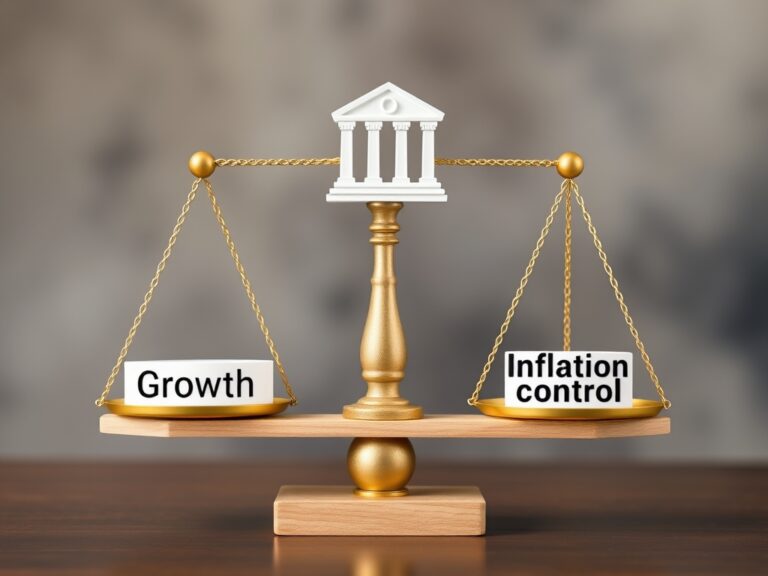
Perhaps the most influential tool in the economic toolkit is the interest rate set by central banks, such as the Federal Reserve. When you see news that rates are going up or down, it is effectively the government trying to turn the ‘throttle’ of the economy. Lower rates make borrowing money cheap, encouraging businesses to expand and individuals to buy homes, which stimulates growth and creates jobs. Conversely, higher rates are used as a brake to cool down an overheating economy or to fight off runaway inflation by making borrowing too expensive for most to manage. Why should you care? Because interest rates dictate the yield on your savings accounts, the cost of your credit card debt, and the attractiveness of bonds compared to stocks. Understanding this mechanism allows you to predict ‘regime changes’ in the market, such as when money might rotate from growth-heavy stocks into safer, interest-bearing assets. It is a constant tug-of-war between fostering expansion and maintaining price stability, and your job is simply to watch where the central bank is leaning. Being ahead of these pivots allows you to adjust your financial sails before the wind direction shifts entirely.
Turning Data into Actionable Strategy
Now that we have covered the basics, how do you actually use this information to improve your financial future? The goal is to move from simply consuming news to developing an economic intuition that guides your long-term planning. Start by checking key reports monthly; you do not need to obsess over daily fluctuations, as the trend is almost always more important than the temporary noise. Remember that the market is a ‘forward-looking machine’, meaning it often reacts to what it expects to happen rather than what is happening right now. Diversification is your best friend when indicators turn sour, ensuring that you are not overly exposed to any single sector that might be hit by a specific economic headwind.
- Follow reputable sources that provide unbiased data rather than sensationalist headlines.
- Focus on your personal financial goals rather than trying to time the absolute bottom or top of a market cycle.
- Stay disciplined during periods of high volatility, as panic selling is usually the biggest enemy of long-term wealth.
By keeping a cool head and focusing on the underlying indicators rather than the daily drama, you position yourself to thrive in any market environment. Investing is a marathon, not a sprint, and these insights are your training plan to ensure you reach the finish line in better shape than you started.