
Building Long-Term Wealth: Essential Foundational Concepts for Financial Success
Mastering the Mindset of Financial Freedom
Building long-term wealth isn’t just about how much money you earn; it is about cultivating the right mindset to manage what you keep. Many people fall into the trap of ‘lifestyle creep,’ where their spending increases in lockstep with their income, leaving them perpetually stuck in the rat race. To break free, you must view your money as a seed that needs to be planted rather than just a resource to be consumed immediately. Financial success is a marathon, not a sprint, and it requires discipline, patience, and a clear vision of your future self. Start by defining what ‘wealth’ means to you personally, whether that is early retirement, debt freedom, or the ability to give back to your community. This vision acts as your North Star when the urge to make impulsive, non-essential purchases hits. Remember, the journey to becoming a millionaire rarely happens overnight, but every small, consistent action brings you closer to your goals. Take control of your financial narrative today and stop letting your bank account dictate your happiness. By prioritizing intentional saving and long-term planning, you are already ahead of the average person. It is time to treat your personal finances like a business, with you as the CEO. Are you ready to take the reins? Let’s dive deeper into the mechanics of lasting prosperity.

The Power of Compound Interest and Time
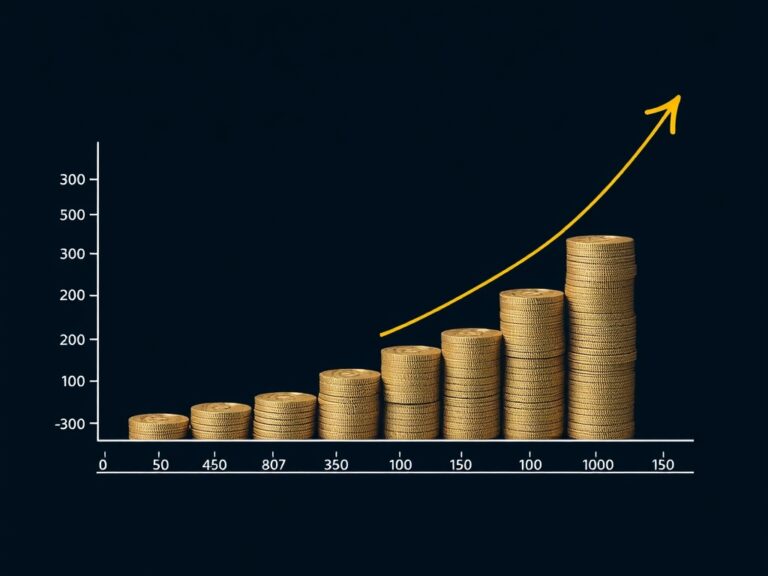
If there is one ‘secret’ to wealth building, it is the undeniable force of compound interest. Albert Einstein famously called it the eighth wonder of the world, and for good reason—it allows your money to work for you while you sleep. The key here is time; the earlier you start investing, the less heavy lifting you have to do later in life. Even small, monthly contributions into a low-cost index fund or a retirement account can balloon into a significant fortune over several decades. Consider these fundamental steps to leverage this power:
- Automate your savings: Pay yourself first by setting up an automatic transfer on payday.
- Minimize fees: High-expense ratios can erode your returns over time.
- Stay consistent: Don’t try to time the market; time in the market is what counts.
- Reinvest your dividends: This accelerates the compounding effect exponentially.
By maintaining this strategy, you harness the power of exponential growth. Do not let market volatility scare you away from your long-term strategy. True investors see market dips as opportunities to buy more assets at a discount. By staying the course, you ensure that your wealth is growing even during uncertain economic times. It is time to put your hard-earned money to work for your future self.
Strategic Budgeting and Asset Allocation
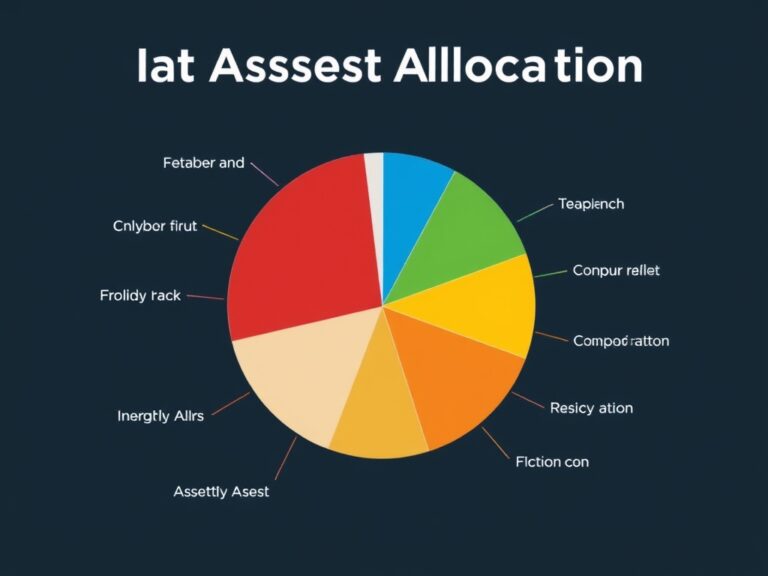
Budgeting often gets a bad rap, but it is actually one of the most liberating tools you have to achieve financial independence. Instead of restricting your life, a solid budget serves as a blueprint that tells your money exactly where to go. Focus on the 50/30/20 rule as a starting point: 50% for needs, 30% for wants, and 20% for your future self through savings and investments. Beyond budgeting, asset allocation is the engine of your portfolio, determining your risk and return profiles. You should diversify your investments across various asset classes, such as:
- Stocks: For potential long-term growth and capital appreciation.
- Bonds: To act as a buffer against stock market volatility.
- Real Estate: Providing cash flow and property appreciation.
- Cash/Equivalents: To ensure you have liquidity for emergencies.
A well-diversified portfolio helps protect you from significant losses while capturing the growth potential of different sectors. Regularly rebalance your portfolio to ensure it stays aligned with your goals as you get closer to your target age. This analytical approach takes the emotion out of investing. Remember, consistency in your asset allocation is far more important than picking the ‘perfect’ stock. Keep it simple, stay diversified, and keep your eye on the long-term horizon for maximum success.
Prioritizing Self-Education and Adaptability
The final pillar of building lasting wealth is continuous self-education. The financial landscape is constantly shifting, with new tax laws, investment vehicles, and economic climates emerging every year. To stay ahead, you must commit to becoming a lifelong learner who reads, listens, and stays informed about global trends. Don’t just rely on ‘get-rich-quick’ advice from social media; instead, seek out reputable resources and financial experts who focus on evidence-based strategies. Knowledge is the ultimate asset that no one can take away from you, and it will give you the confidence to make better decisions under pressure. Adaptability is equally vital, as you need to be willing to pivot your strategy when your life circumstances change. Whether it is a new career, a growing family, or a shift in the market, your financial plan should be a living document that evolves with you. Surround yourself with a community or a mentor who shares your financial values to stay motivated and accountable. Building wealth is a path characterized by small, daily victories rather than a single grand event. By mastering the fundamentals and staying hungry for knowledge, you set yourself up for a lifetime of security. You have the power to create a legacy that lasts for generations to come. Start small, stay consistent, and believe in your ability to build a wealthy future!