
Foundational Concepts for Building Long-Term Wealth: A Strategic Guide
Building the Bedrock of Your Financial Future
Embarking on the journey toward long-term wealth is less about getting rich quick and more about mastering the foundational concepts of financial discipline. Many people believe that wealth is reserved for the lucky few, but in reality, it is the result of consistent habits, strategic planning, and a deep understanding of how money grows over time. First, you must shift your mindset from merely spending to purposefully allocating your capital toward assets that appreciate. It is essential to recognize that every dollar you spend is a seed, and if you plant those seeds in a high-yield account or a diversified investment portfolio, they will eventually grow into a forest of financial security. You don’t need a six-figure salary to start; you simply need to start with what you have today. By automating your savings, you remove the emotional hurdle of deciding to save each month, ensuring your future self is prioritized before you even see your paycheck. Remember, the goal is not to sacrifice your entire lifestyle, but to align your habits with your ultimate life goals. Consistency is the secret ingredient that turns small, mundane actions into life-changing results over several decades.

The Power of Compound Interest and Time
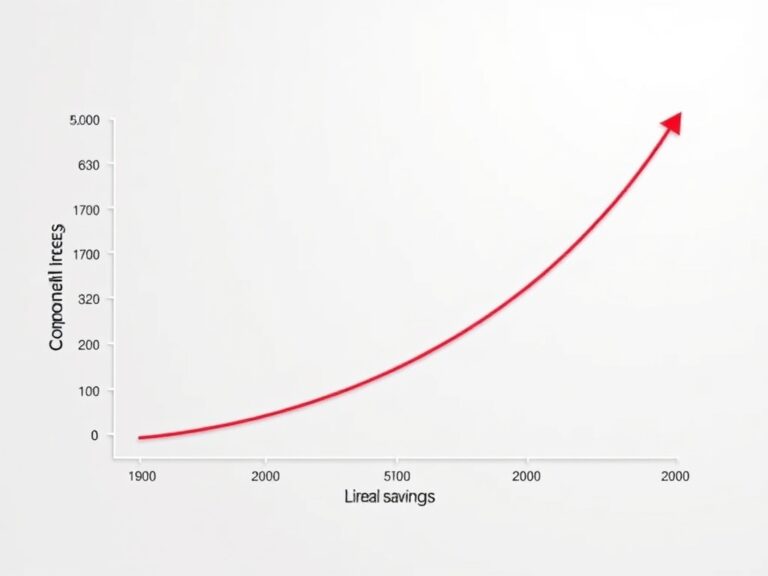
If there is one concept you need to internalize, it is compound interest, often referred to as the eighth wonder of the world by legendary investors like Albert Einstein. Essentially, compounding allows your earnings to generate their own earnings, creating a snowball effect that accelerates wealth accumulation significantly the longer you wait. Consider these core components of growth:
- Reinvestment: Always reinvest your dividends rather than spending them on non-essential items.
- Patience: Time is your most valuable asset, and it cannot be bought back once it is lost.
- Consistency: Regular contributions prevent you from trying to time the unpredictable stock market.
By keeping your capital invested, you harness the power of exponential growth, which can turn modest savings into a substantial nest egg. Many beginners underestimate how much a ten-year head start impacts their final retirement balance. Even if your initial investments seem small, the mathematical reality of compounding is working in your favor every single day. Stop looking for the ‘next big thing’ and start looking for reliable, long-term vehicles that provide steady returns. Time acts as a multiplier, turning your disciplined habits into a powerful wealth-building engine that requires very little maintenance once set into motion.
Strategic Asset Allocation for Long-Term Stability
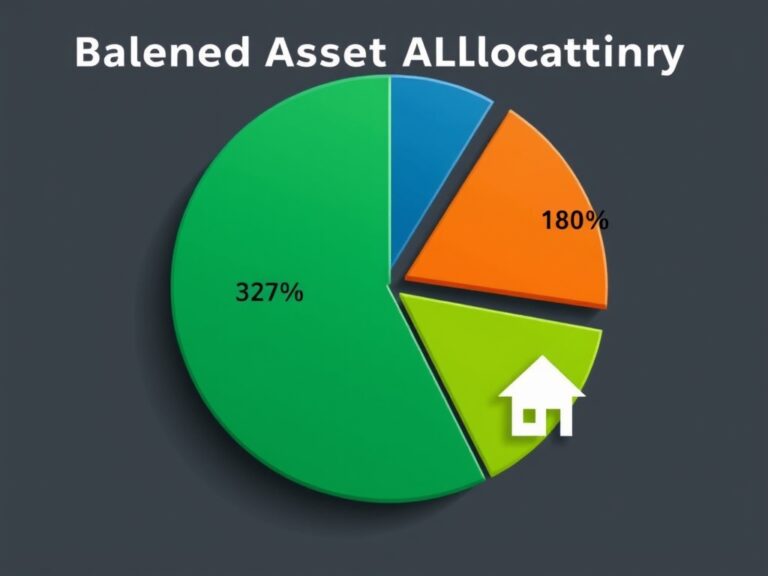
Diversification is not just a buzzword; it is a critical strategy for protecting your capital against volatility and ensuring sustainable growth. When you build a strategic asset allocation model, you are essentially spreading your risks across various sectors like stocks, bonds, real estate, and perhaps even commodities. The goal here is to balance high-growth potential with stable, income-generating assets, preventing your portfolio from collapsing during a market downturn. Think of it as building a sturdy house; you need a solid foundation, strong walls, and a reliable roof to withstand different types of weather. Experts suggest that you should assess your risk tolerance periodically to ensure your investments still align with your changing life stages.
- Equities: Generally offer higher growth but come with higher volatility.
- Fixed Income: Provide stability and regular interest payments to cushion your portfolio.
- Real Estate: Offers a hedge against inflation and potential passive rental income.
By maintaining this balance, you sleep better at night knowing that even if one sector faces a decline, your overall wealth remains intact. Avoid the common pitfall of ‘chasing trends,’ which often leads to buying high and selling low—the exact opposite of what you want to achieve. A well-diversified plan is boring, but boredom is often the most successful strategy in the financial world. Stick to your plan, rebalance your assets annually, and keep your focus on your long-term horizon rather than daily market noise.
Protecting Your Wealth Through Education and Mindset
Building wealth is only half the battle; maintaining and protecting that wealth through financial literacy is where the real game is won. You must commit to continuous learning, whether that means reading personal finance books, following market trends, or consulting with financial professionals to optimize your tax strategy. Many people build a good nest egg only to lose it due to poor tax management, unnecessary fees, or impulsive decisions driven by fear. Wealth preservation is about understanding how to keep what you have earned while continuing to build momentum for the future. Always be wary of ‘get-rich-quick’ schemes that promise high returns with zero risk, as these are almost always scams designed to exploit your desire for growth. Instead, focus on building human capital—your own skills and earning power—which often provides the highest return on investment over a career. When you combine high earning power with low expenses and smart investing, you create an unstoppable cycle of prosperity. Share these lessons with your family and ensure that your financial foundation is protected by proper estate planning. Ultimately, the true purpose of long-term wealth is to give you freedom: the freedom to choose your time, your work, and your lifestyle. Stay disciplined, stay curious, and keep your eyes fixed on the horizon, because your financial independence is a marathon, not a sprint.