Understanding the Economy: A Plain-English Guide to Market Trends and Indicators
Decoding the Economy: Why It Matters to You
Have you ever watched the news and felt like the economists are speaking a completely different language? You aren’t alone, as understanding the economy often feels like deciphering a secret code designed to keep regular people in the dark. In reality, the economy is simply the sum total of how we all earn, spend, and save our hard-earned money every single day. When we talk about market trends, we are essentially looking at the collective heartbeat of businesses and consumers across the globe. By learning to read these signals, you gain a massive advantage in making smarter personal financial decisions for your future. Think of it like learning to read a weather map before you head out for a long road trip; it helps you prepare for the storms and enjoy the sunny days. Understanding these basics doesn’t require a PhD, just a bit of curiosity and the right perspective. Let’s break down the complex jargon into simple concepts that actually impact your wallet. Ready to demystify the financial world? Let’s dive in together and make sense of the chaos.
The Key Indicators: Your Economic Dashboard
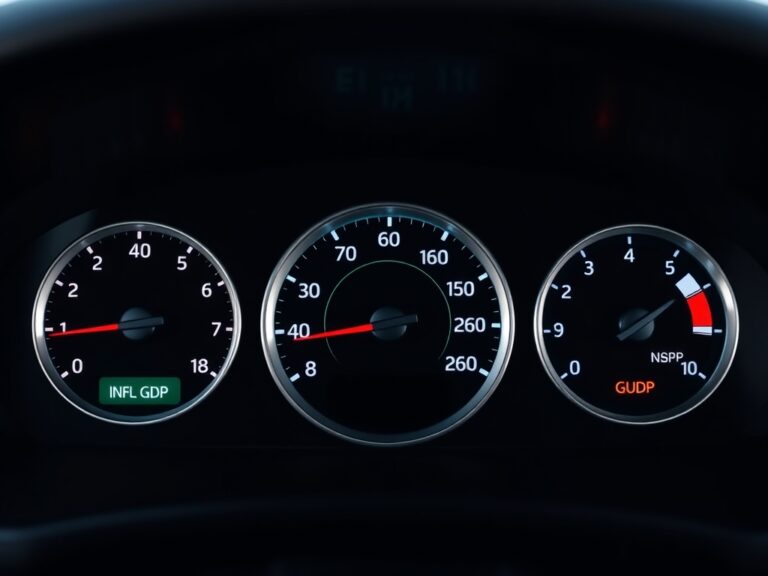
To really get a handle on where things are heading, you need to watch a few specific economic indicators that act like a dashboard for the nation. First on the list is Gross Domestic Product (GDP), which is basically the scorecard for how much stuff a country produces. When GDP goes up, it usually means businesses are hiring and people have more cash to spend on their needs and wants. Next, we have to talk about inflation, which is the silent thief that eats away at your purchasing power over time. When prices rise faster than wages, your budget starts to feel the pinch in a very real way. Don’t forget to keep an eye on the unemployment rate, as it reveals how difficult it is for people to find consistent work. When unemployment is low, companies compete for talent, which often leads to better salaries for employees. These three indicators are the ‘Big Three’ that you should track in your monthly news cycle. By watching them, you can spot shifts before they turn into major economic headlines.
The Consumer Pulse: Why You Are the Boss
Believe it or not, consumer confidence is one of the most powerful forces driving the entire economic engine. When you and your neighbors feel optimistic about the future, you are much more likely to open your wallets for new cars, homes, or small luxuries. Economists track this feeling through surveys because it acts as a leading indicator of what will happen next.
- When confidence is high, spending increases, which fuels business growth.
- When confidence dips, people tend to save more and spend less, slowing down the cycle.
This cyclical nature of the market is perfectly natural and happens over long periods, alternating between periods of expansion and contraction. It is important to remember that you play a massive role in this cycle with every purchase you make. You are not just a spectator; you are an active participant in the economic ecosystem. Even small shifts in individual behavior can ripple out to affect larger market trends over time. Stay informed, stay smart, and remember that your financial choices have weight.
Staying Ahead: Strategies for Uncertain Times
So, how do you actually apply this knowledge to stay ahead of the curve in an uncertain market? The secret is not to predict the future perfectly, but to build a robust financial foundation that can withstand the ups and downs. Diversification is your best friend when it comes to investing, as it ensures you aren’t relying on one single sector to succeed. You should also consider keeping an emergency fund tucked away in a high-yield savings account to act as a buffer against unexpected economic shifts. Remember that while headlines might sound scary, long-term trends are often more stable than the daily chatter suggests. Focus on what you can control, such as your debt levels and your long-term savings rate, rather than obsessing over daily stock market swings. Knowledge is the ultimate tool for reducing anxiety in a complex world. By understanding these market indicators, you become the architect of your own financial stability. Keep learning, keep questioning, and you will thrive regardless of what the economy does next.