
Understanding the Economy: A Plain-English Guide to Market Trends and Indicators
Decoding the Economic Maze: Why It Matters
Have you ever watched the evening news, heard terms like inflation or GDP, and felt like you needed a PhD just to understand your own wallet? You aren’t alone, as the economy often feels like an impenetrable fortress of jargon designed to keep us outsiders guessing. In reality, understanding the economy is essentially just observing how we all exchange value, work, and grow as a society. Think of the economy as a living, breathing ecosystem where every transaction—from buying your morning coffee to corporate stock trading—is a pulse. When you grasp the basics, you move from being a passive observer to an informed participant in your financial future. Whether you are an investor, a business owner, or simply someone trying to save for the future, knowing the signs of market health is your greatest superpower. We’re going to break down these complex market trends into plain English so you can navigate the financial headlines with confidence. By stripping away the noise, we can focus on the indicators that actually move the needle for your personal economy. Ready to start seeing the bigger picture? Let’s dive in and demystify the mechanics behind the curtain of modern markets.
The Big Three: Vital Economic Indicators
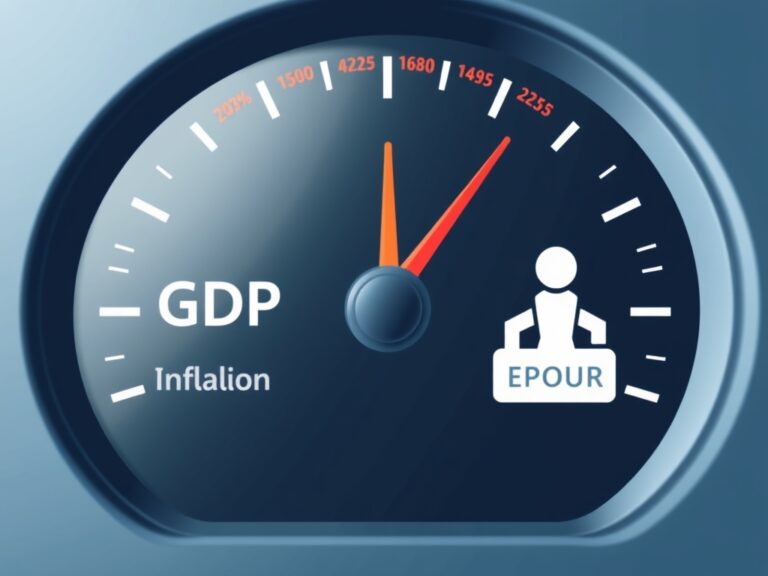
To keep a finger on the pulse of the market, economists rely on a few key metrics, often called lagging or leading indicators, which act like a dashboard for our collective financial health. First, we have Gross Domestic Product (GDP), which is essentially the scorecard for the entire country, measuring the total value of all goods and services produced. Then there is the Unemployment Rate, a vital gauge that tells us not just who is out of work, but how confident businesses are in hiring and expanding. Finally, we must talk about Inflation, specifically the Consumer Price Index (CPI), which tracks the rising cost of everyday goods like groceries and fuel. These three markers provide a birds-eye view of whether the economy is
- Expanding (growth mode),
- Contracting (shrinking or recessionary), or
- Stagnating (flat growth).
By tracking these, you can anticipate shifts in interest rates or market sentiment before they hit your investment portfolio. Understanding these aren’t just for Wall Street professionals; they are essential tools for planning your career and savings goals. When you see these trends moving in tandem, you’ll start to spot patterns that define our modern financial cycle.
Market Cycles: Understanding the Rhythm
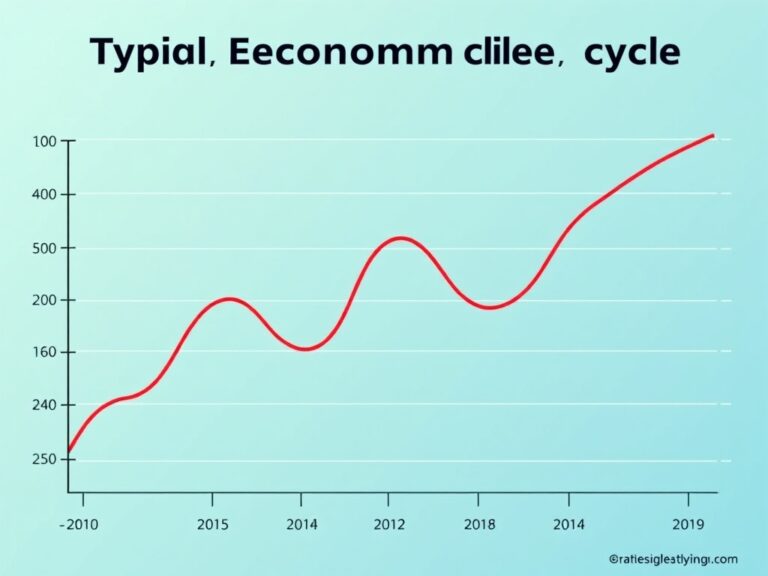
Just like the seasons change from summer to winter, the economy moves in predictable cycles that are crucial to master if you want to protect your assets. These cycles consist of four main stages: expansion, peak, contraction, and trough. During an expansion, businesses thrive, credit is easy to get, and optimism is high, making it the perfect time for calculated growth. However, as the market hits its peak, prices often become inflated and debt levels climb, signaling that a cooling-off period might be on the horizon. A contraction, often referred to as a recession if it lasts long enough, is the uncomfortable phase where growth slows down and uncertainty takes root. Yet, every trough is eventually followed by a recovery, proving that the economy is resilient and constantly finding its way back to equilibrium. Savvy individuals know that market volatility is just a byproduct of this cycle, not necessarily a sign of permanent failure. Instead of panicking during a dip, successful savers view these cycles as predictable waves to ride rather than storms to fear. By keeping a calm head, you can position your finances to handle the dips and capitalize on the inevitable upswings that follow.
Empowering Your Financial Decisions
Now that we have covered the basics, how do you actually apply this knowledge to your daily life? The most important takeaway is that you don’t need to time the market perfectly to stay ahead—you just need to be consistently aware of the broader economic environment. If you see inflation rising and interest rates trending upward, it might be the right time to pay down high-interest debt or reconsider aggressive investments. Conversely, during periods of low interest rates and high growth, it could be the ideal moment to secure long-term financing or invest in skill development. Use these simple steps to start tracking the economy like a pro:
- Subscribe to reputable financial news outlets that provide context, not just headlines.
- Check the Federal Reserve updates periodically to see how policy shifts might affect your savings rates.
- Diversify your income streams to provide a safety net against market volatility.
- Always keep a three-to-six-month emergency fund to weather any economic trough.
Remember, your goal is to build a personal economy that is as resilient as the global one. With the insights you’ve gained today, you are now equipped to cut through the jargon and make informed decisions that serve your future self. Keep learning, stay curious, and you’ll find that the mysterious world of market trends becomes an accessible roadmap for your success.