
Foundational Principles of Wealth Building: A Guide to Long-Term Financial Success
Mastering the Mindset of Wealth Creation
Building wealth isn’t just about the numbers in your bank account; it’s about cultivating a wealth-building mindset that prioritizes long-term growth over instant gratification. Many people fall into the trap of believing that earning a high salary is the only path to financial freedom, but true success relies on your behavior and discipline. Start by viewing your money as a tool that can be used to generate more value rather than just a way to purchase depreciating assets. When you shift your perspective, you begin to see that financial stability is a series of deliberate, consistent choices made over many years. Consider this your roadmap to moving from a scarcity mindset to one of abundance. You must learn to distinguish between assets that grow and liabilities that drain your resources. It’s not about how much you make, but how much you keep and effectively invest. By focusing on the foundational principles of wealth building, you lay the groundwork for a secure future. Remember, every dollar you save today is a soldier in your army of wealth creation. Patience is the ultimate virtue when you are playing the long game of financial independence.

The Power of Consistent Budgeting and Saving
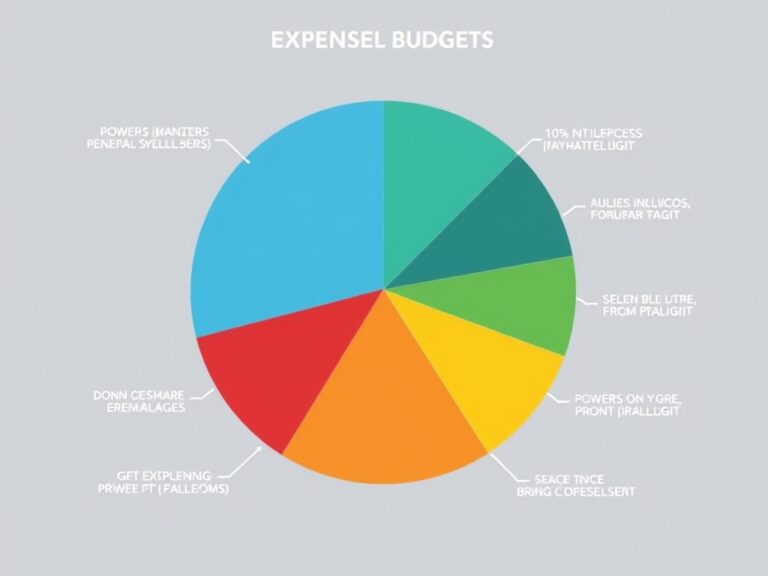
The cornerstone of any solid financial plan is a robust budgeting strategy that keeps your spending in check and your savings goals front and center. You should start by tracking every dollar to understand where your money goes; transparency is the first step toward control. Utilize the 50/30/20 rule—dedicating 50% of your income to needs, 30% to wants, and 20% to savings and debt repayment—as a flexible starting point. Without a plan, you are effectively driving in the dark, hoping you don’t hit an obstacle. Savings act as your financial cushion, protecting you from unexpected life events like emergency repairs or medical bills. It is essential to establish an emergency fund covering at least three to six months of living expenses to ensure that one setback doesn’t derail your entire journey. Make your savings automatic by setting up recurring transfers to a high-yield savings account as soon as your paycheck hits. This removes the temptation to spend and ensures that you pay yourself first every single month. Tracking your progress through simple apps or spreadsheets can keep you motivated as your savings grow over time. Always remember that disciplined saving is not a restriction; it is the fuel for your future freedom.
Harnessing the Magic of Compound Interest
If there is one secret weapon in the world of finance, it is compound interest, often referred to as the eighth wonder of the world. By investing early and consistently, your money starts to earn interest on your original investment plus the interest that has already accrued. This exponential growth is why time is your greatest asset in building long-term financial success; even small, consistent contributions can turn into substantial sums over decades. You do not need to be a Wall Street expert to benefit from this, as index funds and ETFs make diversified investing accessible to everyone. Instead of trying to pick the ‘next big stock,’ focus on low-cost, broad-market index funds that track the performance of the entire economy. Here are the core benefits of long-term compounding:
- Exponential growth of capital
- Passive income generation over time
- Protection against inflation’s eroding power
- Ability to weather market volatility through consistent holding
By ignoring the daily noise of market fluctuations, you allow your money to work silently in the background. Stop waiting for the ‘perfect time’ to invest because time in the market is vastly superior to timing the market. The sooner you start, the more powerful the engine of compound interest becomes for your portfolio.

Eliminating Bad Debt and Protecting Assets
Not all debt is created equal, and understanding the difference between productive debt and destructive debt is critical to your financial health. High-interest debt, like credit card balances, is a wealth killer that eats away at your potential for compounding and growth. You should prioritize paying off these ‘bad’ debts aggressively using methods like the debt snowball or debt avalanche, depending on your psychological preferences. Once you free up the cash flow that was previously going toward interest payments, you can redirect those funds into wealth-generating assets. Furthermore, protecting what you have already built is just as important as growing it. This means having proper insurance coverage for your health, home, and income to ensure a single tragedy doesn’t wipe out your nest egg. Think of your financial life like a castle; you need a strong foundation and a sturdy wall to keep out risks that could ruin your progress. It is also wise to understand basic tax efficiency strategies to ensure you aren’t losing unnecessary wealth to the government. Consult with professionals to ensure your estate planning and asset protection strategies are aligned with your long-term goals. Wealth building is a holistic process that requires both offense—growing your money—and defense—keeping it safe from unnecessary loss.