
7 Foundational Principles for Building Long-Term Wealth and Financial Freedom
Mastering Your Financial Foundation: A Roadmap to Wealth
Building long-term wealth isn’t about winning the lottery; it is about mastering the foundational principles that turn small habits into significant financial freedom. Think of your money like a house; if your foundation is cracked, the rest of the structure will eventually fail. To start, you must change your mindset from ‘earning to spend’ to ‘earning to grow.’ Most people get trapped in the rat race because they lack a clear vision of their financial future. When you prioritize saving and investing over impulsive consumption, you effectively buy your own freedom. Achieving wealth requires patience, discipline, and a willingness to delay gratification for a much bigger reward later. You don’t need a six-figure salary to start; you just need to start with the right intent and a plan. Let’s look at how you can begin this journey today with clarity and confidence. The path is open to anyone willing to take the first step toward lasting security.
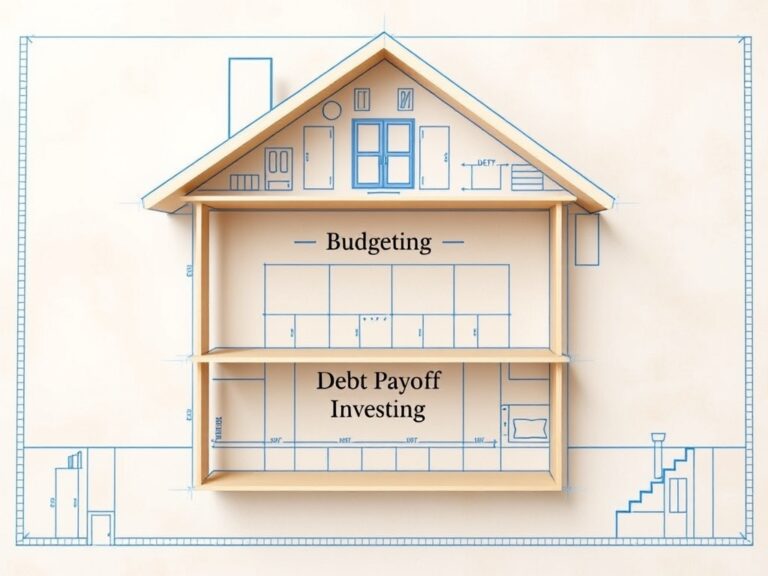
1. The Power of Conscious Budgeting
Budgeting is not about restriction; it is about empowerment and intentionality. When you track your cash flow, you gain control over your destiny. Start by categorizing your expenses into ‘essential’ and ‘discretionary’ to see exactly where your hard-earned money goes. A simple yet effective strategy is the 50/30/20 rule, which allocates:
- 50% to Needs (housing, utilities, food)
- 30% to Wants (entertainment, dining out)
- 20% to Savings and Debt Repayment
By following this structure, you ensure that you are paying yourself first before life gets in the way. Don’t let your expenses rise just because your income does, a phenomenon known as lifestyle creep. Use digital tools or a simple spreadsheet to stay accountable each month. Remember, every dollar you don’t track is a dollar that wanders away from your wealth-building goals. Mastering your monthly cash flow is the quickest way to stop feeling stressed and start feeling secure.
2. Eliminating High-Interest Debt
High-interest debt is the ultimate wealth killer that keeps your capital locked in expensive interest payments. Before you can truly grow your net worth, you must aggressively attack those high-APR balances like credit cards. Use the Debt Avalanche method if you want to save money on interest, or the Debt Snowball method if you need the psychological win of clearing smaller balances first. Why pay 20% interest to a bank when you could be earning 8-10% in the stock market? It makes no mathematical sense to invest while you are buried under toxic debt. Once that burden is lifted, you will suddenly find you have an extra monthly surplus to funnel into wealth-generating assets. Financial freedom is difficult to achieve when you are constantly paying for your past mistakes. Make it your mission to reach a zero-debt balance so that every penny you earn moving forward is yours to keep and grow.

3. Building an Emergency Safety Net
Life is full of unpredictable surprises, and having a financial cushion is what protects your wealth from being derailed. A solid emergency fund should cover three to six months of essential living expenses. Keep this money in a High-Yield Savings Account (HYSA) so it stays liquid, accessible, but also earns a decent interest rate. This fund serves as your insurance against job loss, medical emergencies, or unexpected home repairs. Without it, you are forced to rely on credit cards the moment a crisis hits, which only sends you back into the debt cycle. True peace of mind comes from knowing you can handle life’s curveballs without sacrificing your long-term investment strategy. Do not treat this as ‘optional’ money; it is a critical piece of your infrastructure. Once this fund is in place, you can invest with much more aggression and confidence because you know you are fully prepared for the unexpected.
4. The Magic of Long-Term Investing
Investing is the engine of wealth creation, and compounding interest is your best friend. Albert Einstein famously called it the ‘eighth wonder of the world’ because of its ability to grow your money exponentially over time. You should focus on broad-market index funds or ETFs that provide diversification without high management fees.
- Consistency: Automate your contributions.
- Time: Stay in the market for decades, not days.
- Diversity: Don’t put all your eggs in one basket.
Trying to ‘time the market’ is a fool’s game that often leads to panic selling during downturns. Instead, embrace the ‘set it and forget it’ mentality by contributing regularly regardless of what the headlines say. Market volatility is normal, but history shows that the long-term trend of the economy is upward. By staying the course, you allow time to do the heavy lifting for you while you focus on your career or personal life. The earlier you start, the less you have to save to reach the same result because time multiplies your efforts.

5. Prioritizing Continuous Self-Education
Your greatest asset is not your bank account; it is your earning potential and financial literacy. The more you learn about how money works, how taxes function, and how markets move, the better decisions you will make. Read books, listen to podcasts, and follow reputable financial experts to sharpen your knowledge. Invest in yourself through courses or certifications that help you increase your primary income. As your income grows, your ability to build wealth accelerates, provided you maintain your disciplined habits. Financial freedom is essentially a form of education—you are learning how to make money work for you rather than spending your life working for money. Always stay curious and skeptical of ‘get rich quick’ schemes that promise high returns with zero risk. Sustainable wealth comes from understanding the game better than the average person does. Knowledge is the one investment that never depreciates and always pays dividends in your future success.