7 Foundational Principles for Building Long-Term Wealth and Financial Freedom
Mastering Your Financial Foundation: A Roadmap to Wealth
Building long-term wealth isn’t about winning the lottery; it is a calculated journey rooted in discipline and strategy. Many people dream of financial freedom, but they lack the foundational principles to make it a reality. First, you must prioritize paying yourself first, which means automating your savings before you pay a single bill. Think of your future self as your most important creditor. By treating savings as a non-negotiable expense, you remove the temptation to spend on depreciating assets. This shift in mindset is the bedrock of your success. It is not about how much you earn, but how much you keep and grow over time. We will explore how these habits transform your financial trajectory. Let’s dive deep into the pillars that support a prosperous, debt-free future. Are you ready to take control of your financial destiny today?

The Pillars of Prosperity: Strategic Growth
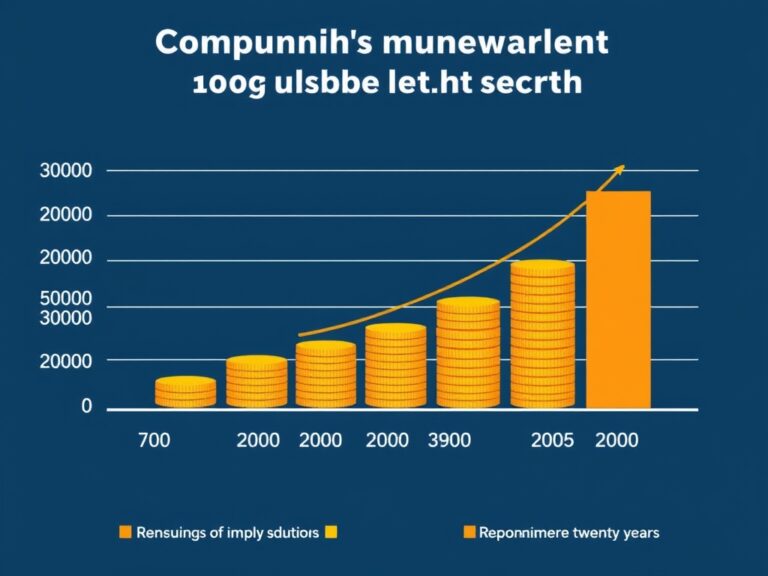
Once you have secured your savings habit, the next phase involves investing with intent and understanding the power of compound interest. You should focus on these key strategies:
- Diversify your portfolio to mitigate market risk.
- Minimize investment fees by choosing low-cost index funds.
- Reinvest your dividends to accelerate growth exponentially.
- Maintain a long-term horizon regardless of market volatility.
These principles are designed to keep you on track when things get loud. Investors often panic, but by focusing on time in the market rather than timing the market, you protect your future. Education is your greatest asset in this pursuit. Always seek to understand the tax implications of your investments to ensure you aren’t leaking profit. A robust portfolio is built on a foundation of clarity and patience. By staying consistent, you turn small contributions into a massive nest egg.
Debt Management and Lifestyle Equilibrium
A major hurdle to building wealth is the silent killer known as bad debt. High-interest credit card debt creates a cycle of dependency that is nearly impossible to out-earn. Aggressively pay down high-interest liabilities first, using the snowball or avalanche method to gain momentum. Simultaneously, you need to practice intentional spending, ensuring that your lifestyle doesn’t expand alongside your income. This concept, often called ‘lifestyle creep,’ keeps middle-income earners trapped in a cycle of paycheck-to-paycheck living. You must distinguish between needs and wants with ruthless honesty.
- Track every expense for thirty days to identify hidden leaks.
- Prioritize experiences over physical clutter.
- Budget for fun so you do not feel deprived.
By controlling your outflow, you increase your capacity to invest. Wealth is not what you spend, but what you preserve for your future freedom.

The Final Frontier: Passive Income and Mindset
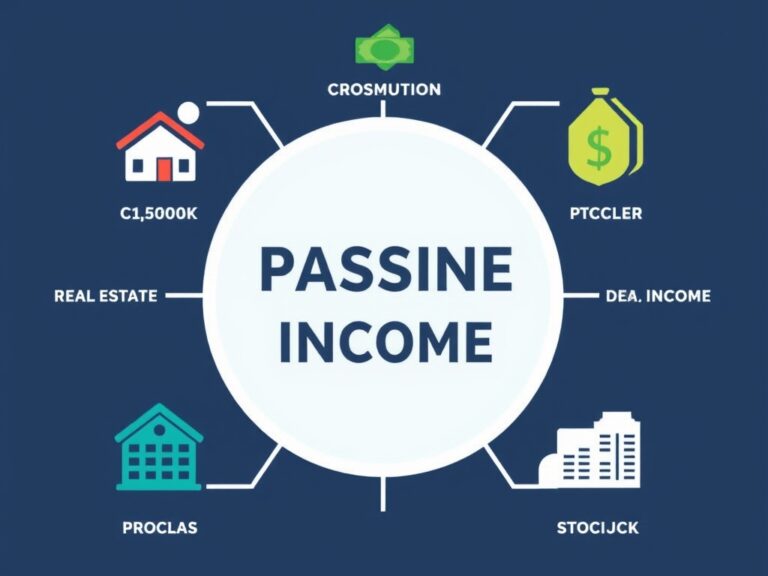
Finally, to achieve true financial independence, you must eventually transition toward generating passive income streams. Whether through dividend-paying stocks, real estate, or digital assets, the goal is to make your money work harder than you do. This requires a growth mindset that embraces continuous learning and adaptation. You are the architect of your financial future, and every choice matters. Remember to review your progress quarterly to ensure you are meeting your goals. Surround yourself with mentors or communities that value financial literacy and success. Financial freedom is not just about having money; it is about having the autonomy to choose how you spend your time. With these 7 principles—from saving early to investing wisely—you are equipped to build a legacy. Stay the course, keep your goals in sight, and enjoy the journey toward absolute financial liberation.