
The Pillars of Prosperity: 7 Foundational Concepts for Building Long-Term Wealth
Mastering Your Financial Future: The 7 Pillars of Wealth
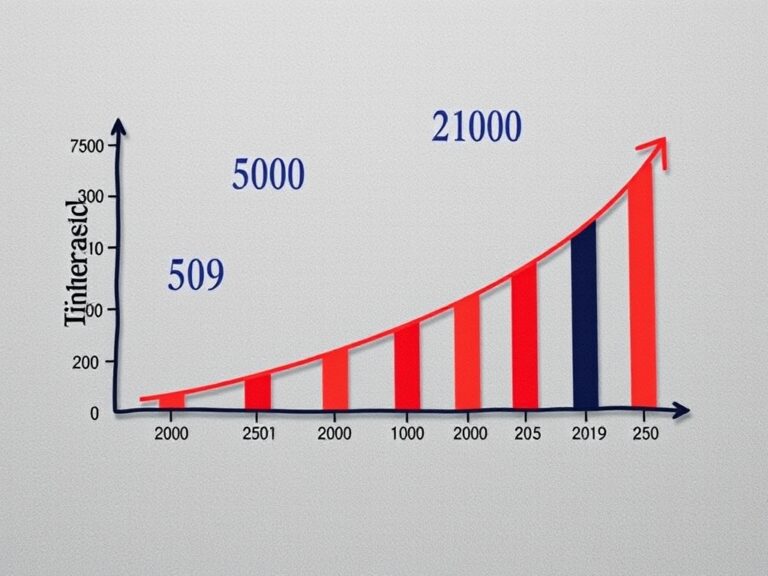
Building long-term wealth isn’t just about luck or hitting the jackpot; it’s a strategic journey that requires a shift in mindset and consistent habits. When we talk about The Pillars of Prosperity, we are referring to the bedrock upon which your future financial security rests. Think of these seven concepts as the architectural blueprints for your life’s financial skyscraper, where every floor represents a new level of freedom. Whether you are just starting your first job or looking to optimize your retirement portfolio, the core principles remain the same. Consistency is the heartbeat of this entire process, and without it, even the best strategies will eventually crumble under pressure. Many people feel overwhelmed by complex finance jargon, but the truth is that simplicity often beats complexity in the long run. By mastering your relationship with money, you move from a state of survival to a state of abundance and true wealth. Let’s break down these foundational pillars together to ensure your path is built on solid ground. Remember, this journey is not a sprint, but a marathon that requires patience, discipline, and a willingness to learn. By the end of this guide, you will have a clear vision of what it takes to thrive in today’s economy. Let’s get started on building your empire, one step at a time, ensuring every decision you make is aligned with your ultimate goal of financial independence.

Pillar 1 & 2: Financial Literacy and Disciplined Budgeting
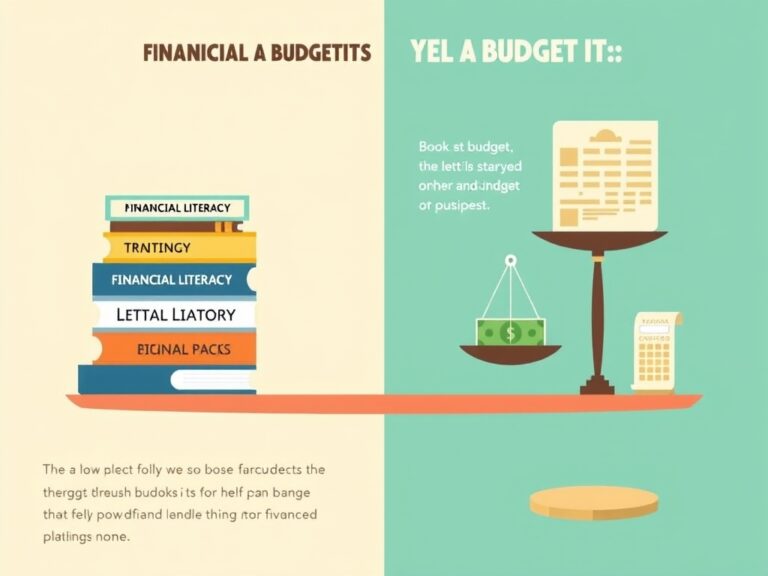
The first pillar, Financial Literacy, is your greatest asset, as knowledge truly is power in the world of investments and savings. You must learn the language of money—how taxes, interest rates, and inflation affect your bottom line—to make informed decisions every single day. Once you have the knowledge, you must implement the second pillar: Disciplined Budgeting. A budget isn’t a cage; it is a tool for freedom that tells your money exactly where to go rather than wondering where it went.
- Track every single expense for 30 days to identify hidden leaks.
- Distinguish between ‘needs’ and ‘wants’ to optimize your cash flow.
- Automate your savings as the first priority before you spend a dime.
Many people struggle because they try to cut back without a plan, but once you have a structured system, you’ll find you have more to invest than you thought. Keeping your overhead low while increasing your income is the classic secret of the ultra-wealthy. When you prioritize your savings, you are essentially paying your ‘future self’ first, which is the cornerstone of building lasting prosperity. Don’t worry if your budget isn’t perfect in the beginning; the most important part is the habit of tracking and adjusting. By maintaining a bird’s-eye view of your finances, you stay in the driver’s seat of your economic life. This level of awareness reduces financial stress significantly and clears the way for more complex wealth-building strategies later on.
Pillar 3 & 4: Debt Management and The Power of Emergency Funds
Debt is often the invisible anchor holding people back from true prosperity, and managing it correctly is the third essential pillar. Not all debt is created equal, so you must learn to distinguish between ‘good debt’, like low-interest investments, and ‘bad debt’, like high-interest consumer credit cards. Strategizing your debt payoff using methods like the ‘debt snowball’ or ‘debt avalanche’ can help you reclaim your cash flow and direct it toward high-yield assets. Hand-in-hand with debt management is the fourth pillar: the Emergency Fund. Life is unpredictable, and having a safety net consisting of 3 to 6 months of living expenses is what keeps you from falling off your path during tough times.
- Store your emergency cash in a high-yield savings account for accessibility and growth.
- Never dip into this fund for luxury purchases or non-essential vacations.
- Replenish the fund immediately if you are ever forced to use it.
When you have that cushion, you no longer panic when a car repair pops up or a temporary loss of income occurs. This psychological comfort allows you to keep investing steadily even when the world feels chaotic. By protecting your assets from the erosion of emergency costs, you ensure that your capital stays in the market where it can work for you. It’s all about maintaining momentum and ensuring that your financial engine never stalls because of an unforeseen roadblock. Protecting what you have is just as important as growing what you earn.

Pillar 5, 6, & 7: Investing, Diversification, and Continuous Growth
Now we reach the final three pillars: Investing, Diversification, and Continuous Growth. Investing is the mechanism by which your money works for you instead of you working for it, primarily through the power of compound interest. Diversification is the art of not putting all your eggs in one basket, spreading your risk across stocks, bonds, real estate, and other asset classes to ensure long-term stability.
- Start investing early to take full advantage of compounding over decades.
- Use low-cost index funds to capture market averages without high management fees.
- Stay the course, even when market volatility tries to shake your resolve.
The final pillar, Continuous Growth, refers to investing in yourself through education, skill development, and networking. Your ability to generate more income is your greatest wealth-building tool, and it requires constant sharpening of your mental saw. As you increase your earnings, resist the urge to upgrade your lifestyle immediately—this is known as ‘lifestyle inflation’ and it is the enemy of wealth. Instead, reinvest your raises into more assets that generate passive income streams. Over time, your assets will begin to cover your living expenses, leading you to the ultimate goal: financial independence. This is the stage where you have the flexibility to work because you want to, not because you have to. By sticking to these seven pillars, you are building a legacy that will serve you and your family for generations to come. Your prosperity is not just about the numbers in your bank account; it is about the peace of mind and choices you gain along the way.