7 Foundational Concepts to Build Long-Term Wealth and Financial Freedom
Mastering Your Financial Future: The 7 Building Blocks to Wealth
Building long-term wealth isn’t about getting lucky with a random stock pick or winning the lottery; it is about mastering the foundational habits that move the needle toward financial freedom. To start your journey, you must first change your mindset from being a passive consumer to becoming an active investor. This transformation requires discipline, patience, and a clear understanding of your current financial health. We often get caught up in the ‘rat race,’ spending money we don’t have to impress people who don’t care, but true freedom begins when you decide to prioritize your future self. By implementing these seven core concepts, you will create a roadmap that turns your hard-earned income into lasting generational wealth. Let’s dive into the essential pillars that every successful investor needs to know to thrive in today’s economy. Financial literacy is your greatest asset, so take this opportunity to learn the rules of the game and start playing to win today.

1. The Power of Budgeting and 2. The Debt Trap
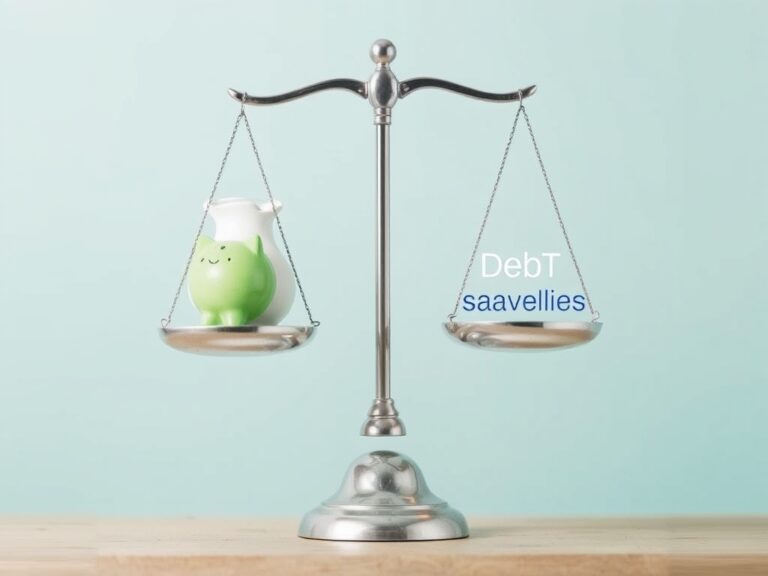
The first two foundational concepts revolve around your cash flow: mastering your budget and aggressively managing debt. Budgeting isn’t meant to restrict your lifestyle; it is a tool to ensure your money is working for you, rather than against you. You should aim to track every dollar using apps or spreadsheets, identifying areas where you can trim the fat and redirect those funds toward high-impact investments. Simultaneously, you must address high-interest debt, which acts like an anchor on your net worth. Whether you use the ‘debt snowball’ or the ‘debt avalanche’ method, your goal is to eliminate predatory interest rates that prevent your capital from growing. Once you stop paying interest to banks, you can start earning interest through compounding growth. Follow these steps:
- Track monthly expenses in detail.
- Create a ‘needs vs. wants’ hierarchy.
- Pay off credit cards with interest rates above 10%.
- Automate your savings to remove the friction of decision-making.
By securing these two areas, you build the solid base needed for sustainable wealth generation.
3. Building an Emergency Fund and 4. The Compound Interest Engine
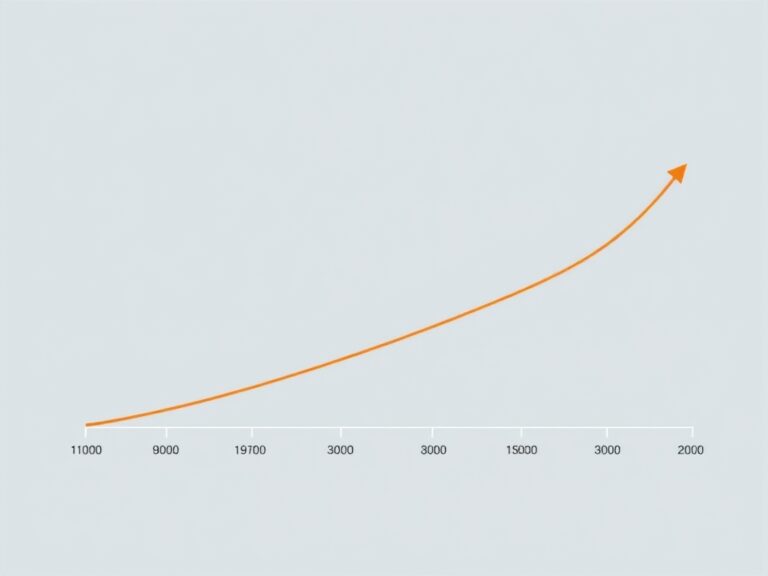
Life is unpredictable, which is why your third concept, an emergency fund, is non-negotiable for anyone seeking long-term financial security. Having three to six months of living expenses tucked away in a high-yield savings account ensures that a sudden job loss or car repair won’t force you into more debt. Once you have this safety net, you can lean into the fourth concept: the magic of compound interest. Albert Einstein famously called compound interest the ‘eighth wonder of the world,’ and for good reason. When you invest early, your money earns returns, and those returns earn their own returns, creating a snowball effect over several decades.
- Start investing even small amounts early.
- Use tax-advantaged accounts like a 401(k) or IRA.
- Focus on low-cost index funds for broad market exposure.
- Avoid timing the market; focus on ‘time in’ the market.
This consistent approach is the secret sauce that separates the wealthy from the middle class over long horizons.
5. Multiple Streams of Income, 6. Asset Diversification, and 7. Continuous Education
Finally, the last three pillars are about scaling and protecting what you have built: diversifying your income, diversifying your assets, and investing in your own knowledge. Relying on a single paycheck is a significant risk; you should look into side hustles, dividend stocks, or real estate to create multiple cash flow channels. By diversifying your asset classes—holding stocks, bonds, and perhaps some real estate—you protect yourself against market volatility while capturing gains across different sectors. Most importantly, never stop learning, as the financial landscape is constantly shifting with new technology and economic trends. Read books, listen to podcasts from industry experts, and refine your strategy regularly to stay ahead of the curve. You have the power to create a legacy, but it requires these seven foundational habits practiced consistently over time.
- Explore passive income ideas like rental property or REITs.
- Maintain a portfolio balance that matches your risk tolerance.
- Allocate 1% of your income toward personal development courses.
- Review your financial goals every quarter to adjust your trajectory.
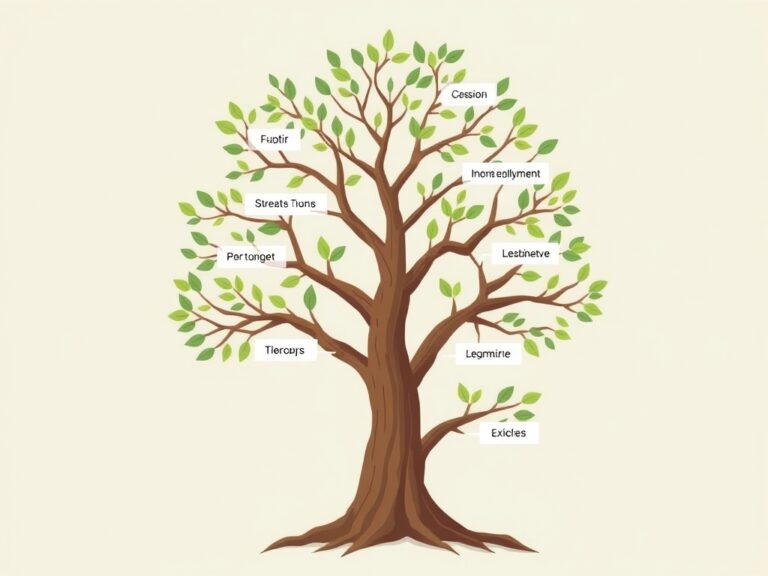
Start today, because the best time to plant a tree was twenty years ago, and the second best time is now.