
Market Analysis Simplified: Understanding Economic Indicators and Trends
Decoding the Pulse of the Global Economy
Have you ever wondered why the stock market takes a nosedive or why your grocery bill suddenly spikes? Understanding market analysis isn’t just for Wall Street professionals; it is a vital skill for anyone looking to navigate their financial future with confidence. Think of economic indicators as the vitals of a patient; just as a doctor checks blood pressure to assess health, investors monitor data to predict market movements. When you learn to simplify these complex signals, you gain the ability to spot trends before the mainstream media catches on. In this post, we will strip away the jargon and focus on the core metrics that actually drive economic growth and contraction. Whether you are a small business owner or a curious investor, keeping an eye on these indicators is your secret weapon for long-term success. Let us embark on this journey to turn complicated financial reports into actionable insights that you can use every single day. By the end of this guide, you will feel much more empowered to interpret the ever-changing economic landscape around you. It all starts with recognizing that the market is not a chaotic mess, but rather a reflection of human behavior and policy. Stay with me as we break down these pillars of market intelligence into manageable, bite-sized concepts.
The Big Three: GDP, Inflation, and Unemployment
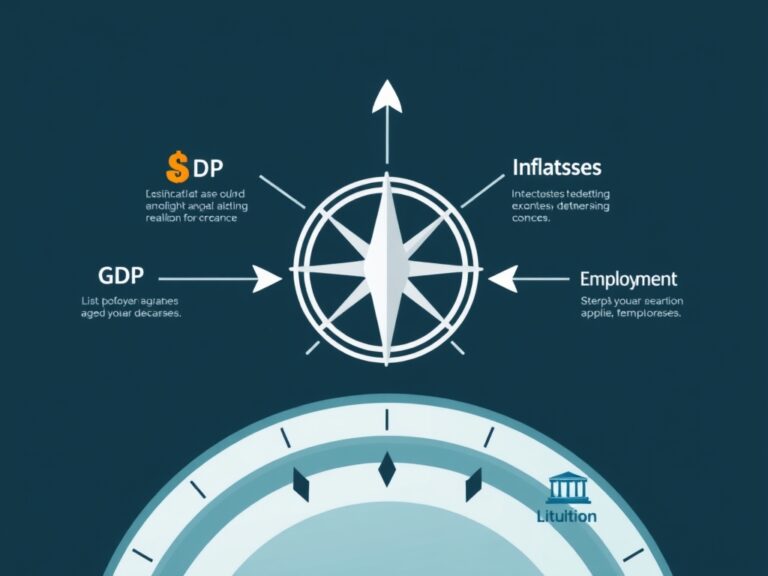
To truly understand economic trends, you must first master the holy trinity of market data: GDP, Inflation, and Unemployment.
- GDP (Gross Domestic Product): This measures the total value of goods and services produced, serving as the ultimate thermometer for economic health.
- Inflation (CPI): This tracks how much your purchasing power is shrinking as the cost of living increases over time.
- Unemployment Rate: A low rate typically signals a thriving economy, while spikes can indicate an impending recession or structural shift.
When GDP is rising, it often signals a ‘bull market’ where businesses are expanding and consumer confidence is high. Conversely, if inflation climbs too fast, central banks may raise interest rates to cool things down, which impacts your borrowing costs. It is a delicate balance, and paying attention to these reports—usually released monthly or quarterly—can save you from being blindsided by market volatility. By monitoring these three, you can build a solid foundation for your personal financial planning. Remember, no single indicator tells the whole story, so looking for the convergence of these signals is where the real expert insight lies. It is not about reacting to every headline, but about understanding the macro-environment that dictates your long-term opportunities.
Secondary Indicators: Consumer Confidence and Retail Sales
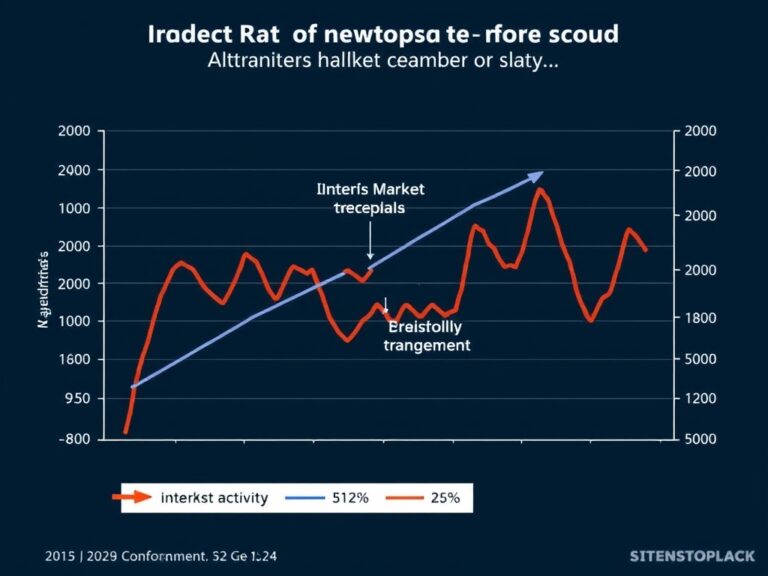
While the ‘Big Three’ get all the headlines, savvy analysts know that consumer sentiment often predicts the future better than past data. When people feel good about their jobs and the economy, they spend money; when they feel uncertain, they save, which in turn slows down the entire cycle. Tracking Retail Sales reports is a fantastic way to see how this sentiment translates into actual cash flow within the marketplace. If you see retail numbers declining while inflation is steady, it might be an early warning sign that a slowdown is on the horizon. Additionally, look for the Consumer Confidence Index (CCI), which surveys how households feel about their financial outlook.
- Increased spending usually supports stock market growth.
- Declining consumer confidence can lead to reduced corporate profits.
- Retail trends reveal shifting consumer preferences before they appear in GDP data.
These indicators act as a lead-in, giving you a sneak peek into where the economy is headed in the next few months. It is like being able to read the mood of the room before you decide whether to invest or wait for a better entry point. By integrating this sentiment-based data, you move beyond mere technical charts into the realm of true fundamental analysis. It makes you a more proactive participant in your financial life rather than just a spectator on the sidelines.
Synthesizing Trends for Smarter Decisions
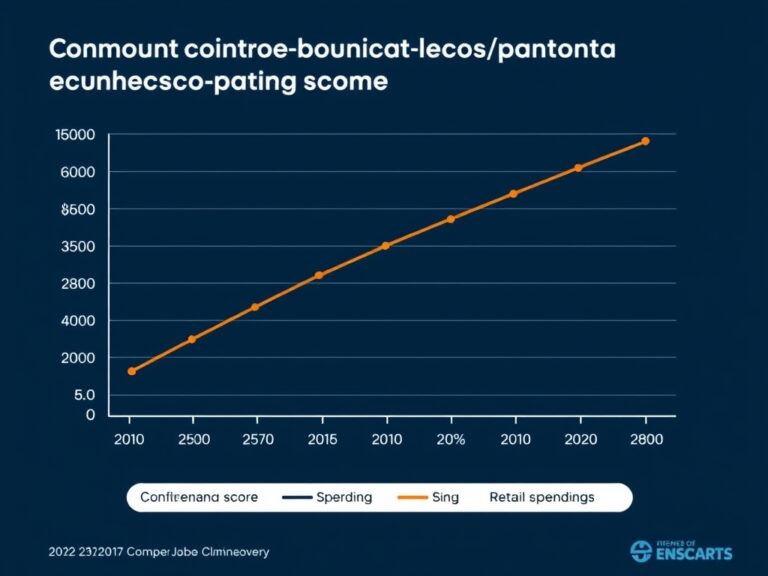
So, how do we put all of this information into practice without getting overwhelmed by the sheer volume of data? The key is to look for confluence—that moment when multiple indicators are pointing in the same direction—to confirm your market analysis. Avoid the trap of obsessing over every daily update; instead, look for broader trends over a three-to-six-month period to filter out the noise. When GDP is up, unemployment is down, and consumer confidence is high, you are likely in a period of sustainable growth. However, if you see a disconnect—like low unemployment paired with a sharp drop in retail sales—it is time to practice caution and potentially rebalance your portfolio or business strategy. Always remember that economic indicators are historical in nature, so they tell you where we have been and where we currently stand.
- Focus on the trendline, not the individual data point.
- Compare current numbers against historical averages for context.
- Stay disciplined and keep your long-term goals in sight during market corrections.
By keeping these principles in mind, you will find that understanding the economy is not as scary as it sounds. You are now equipped with the vocabulary and the framework to analyze market movements like a pro. Keep learning, keep questioning the status quo, and stay curious about how the global machine works. Your path to financial literacy is a marathon, not a sprint, and you have already taken a massive step forward today.