
Foundational Principles for Building Long-Term Wealth: A Strategic Guide
Mastering Your Financial Foundation
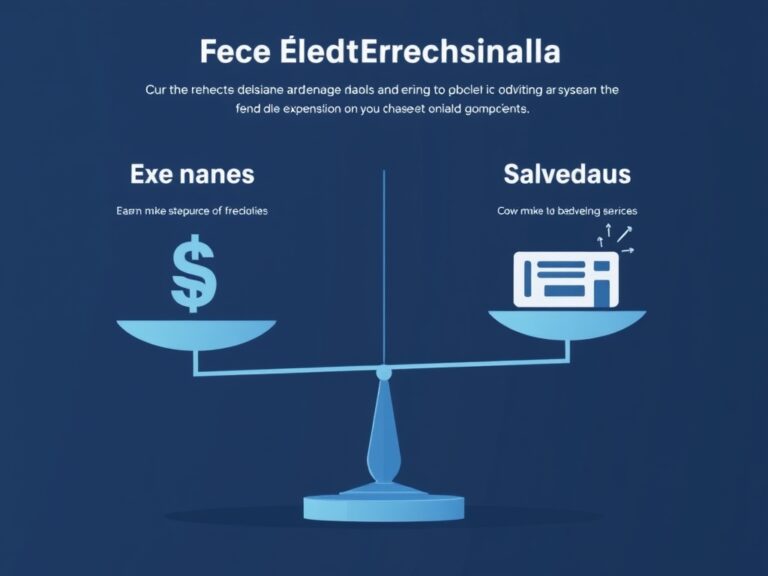
Building long-term wealth isn’t a get-rich-quick scheme; it’s a marathon that requires patience, discipline, and a solid strategy. Many people chase the latest market trends, but the true secret to financial freedom lies in mastering the basics. First, you must clearly understand your current cash flow by tracking every dollar. Without a budget, you are flying blind, unaware of where your hard-earned money is disappearing each month. Start by analyzing your
- fixed expenses
- discretionary spending
- debt obligations
to get a crystal-clear view of your financial health. Once you define your baseline, you can start setting aggressive yet achievable savings goals. Remember, wealth is built on the surplus between what you earn and what you spend. By optimizing this gap, you create the capital necessary for long-term investments. Staying focused on these habits will pay dividends far greater than any lucky stock pick ever could. Your journey starts by taking full accountability for your financial future today.
The Power of Compound Interest
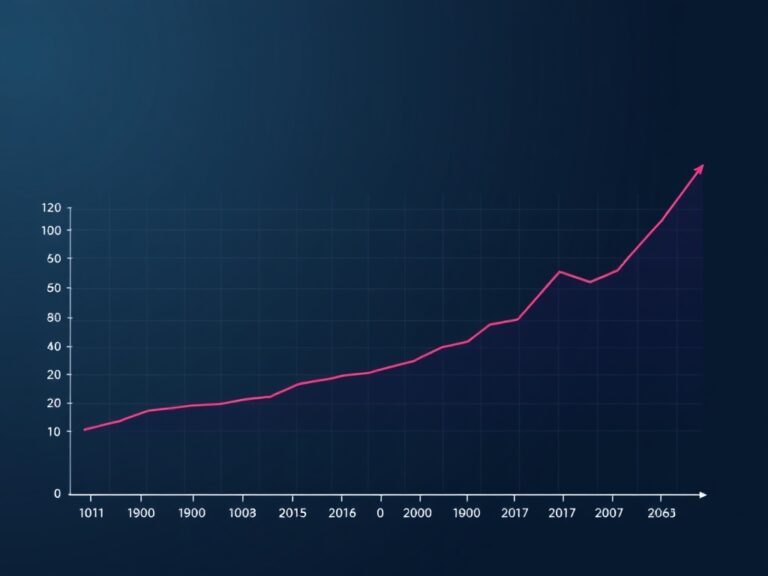
If there is one concept you need to internalize, it is compound interest, often referred to as the eighth wonder of the world. Albert Einstein famously noted its power, and for good reason—it turns small, consistent contributions into significant wealth over decades. By starting early, your money has more time to grow, allowing your interest to earn its own interest in a virtuous cycle. Think of it like a snowball rolling down a hill; it starts small, but as it gathers momentum, its growth becomes exponential. You should aim to prioritize automated investments to ensure you never miss a contribution. Even if you only start with a modest amount, the time in the market is significantly more important than trying to time the market perfectly. Use tax-advantaged accounts like a
- 401(k)
- IRA
- HSA
to maximize your growth potential through deferred taxes. Do not be discouraged by slow initial progress because the true magic happens in the final stages of the compounding curve. Stay consistent, stay patient, and let math do the heavy lifting for your portfolio.
Diversification: Your Safety Net
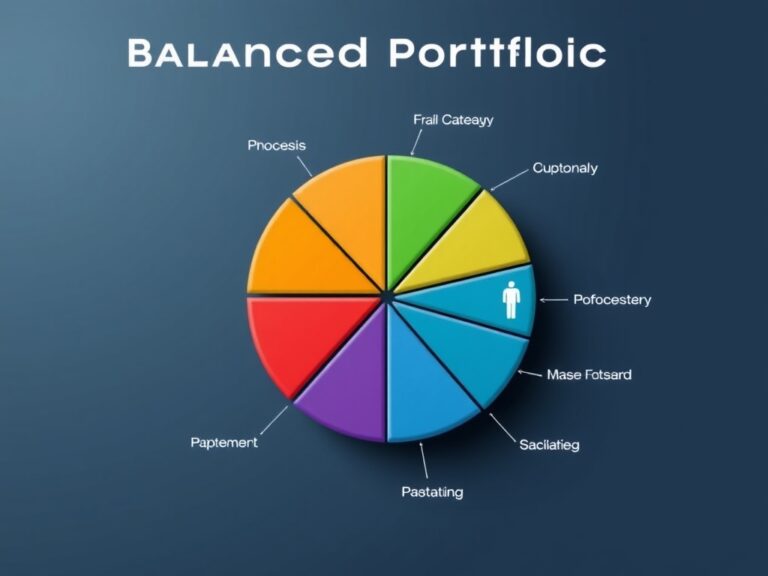
One of the most dangerous mistakes investors make is putting all their eggs in one basket, which exposes them to unnecessary risk. Diversification is the core principle of managing investment volatility while still pursuing long-term gains. By spreading your assets across different asset classes—such as stocks, bonds, real estate, and commodities—you ensure that a downturn in one sector doesn’t wipe out your entire nest egg. Think of your portfolio as a team where each player has a specific role; some are for growth, while others are for stability. Consider the following breakdown for a balanced approach:
- Low-cost index funds for broad market exposure
- Bonds for steady income and safety
- Diversified real estate for inflation hedging
. This strategy helps you weather market cycles with confidence rather than panic. When one asset class underperforms, another may outperform, smoothing out the ride for your total wealth trajectory. It is about balancing your risk tolerance with your financial objectives so you can sleep soundly at night. Always remember that a well-diversified portfolio is your best defense against the unpredictable nature of global markets.
Staying the Course During Volatility
Market volatility is an inevitable reality of building wealth, but it is also the greatest test of your investor psychology. When the markets dip, the urge to panic-sell can be overwhelming, yet that is precisely when you should maintain your long-term vision. Successful wealth building requires emotional intelligence—knowing that market corrections are normal and often represent buying opportunities. Remind yourself that you are in this for the long haul, not for the daily fluctuations of the tickers on the news. Develop a strategic plan before any crisis occurs and stick to it regardless of the headlines. Ask yourself:
- Is my long-term goal still the same?
- Have my financial circumstances changed significantly?
- Does this volatility affect my retirement timeline?
Usually, the answer is no, and the best action is to do absolutely nothing. Stay the course by continuing your automated contributions, which allows you to buy more shares when prices are lower. This concept, known as dollar-cost averaging, is one of the most effective ways to build wealth quietly and consistently. Your ability to remain calm while everyone else is frantic will ultimately set you apart as a master of your financial destiny.