
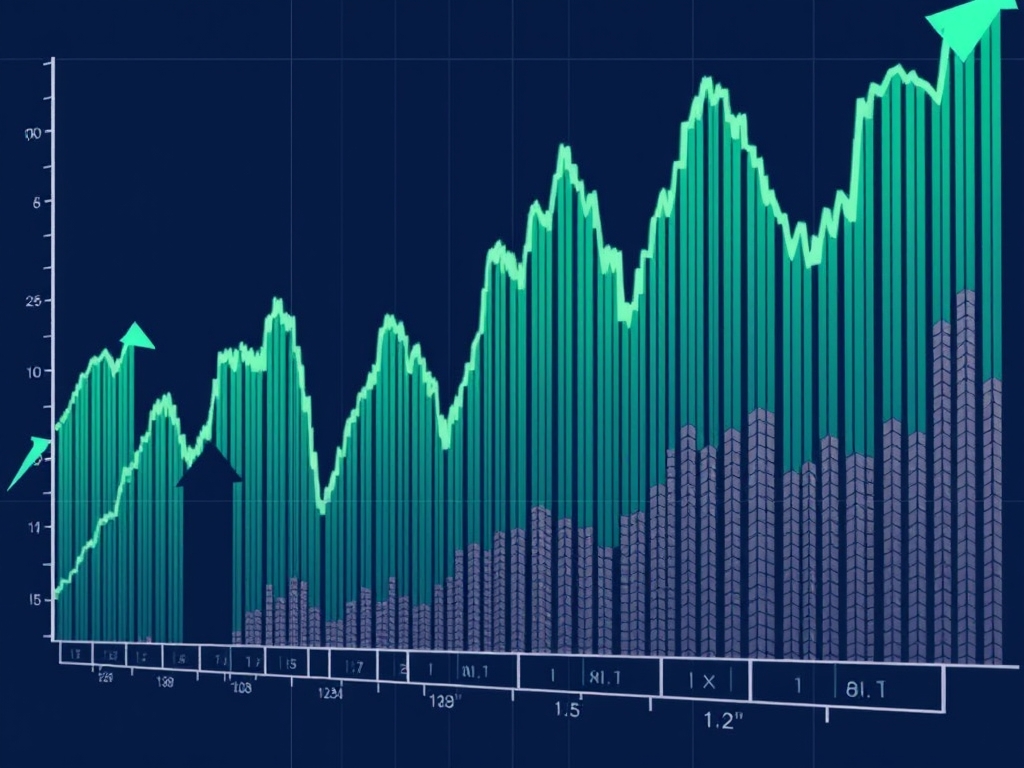
Market Trends Explained: A Plain-English Guide to Economic Indicators and Movements
Understanding the Pulse of the Market: An Introduction
Have you ever wondered why the stock market seems to dance to its own rhythm, sometimes soaring to new heights and other times plunging without warning? Market trends aren’t just random occurrences; they are reflections of real-world economic movements that shape our financial landscape every single day. To navigate these waters, you need to understand economic indicators—the data points that act like a compass for investors and businesses alike. Think of them as the vital signs of the global economy, helping us diagnose whether we are in a period of growth, stagnation, or decline. Whether you are a seasoned trader or just dipping your toes into personal finance, grasping these concepts is the first step toward financial literacy. By breaking down complex jargon into plain English, we can demystify these movements and make better-informed decisions. Let’s embark on this journey to decode what makes the markets move and why it matters to your wallet. You will soon see that the ‘mysterious’ world of finance is actually quite logical when you look closely at the underlying patterns.
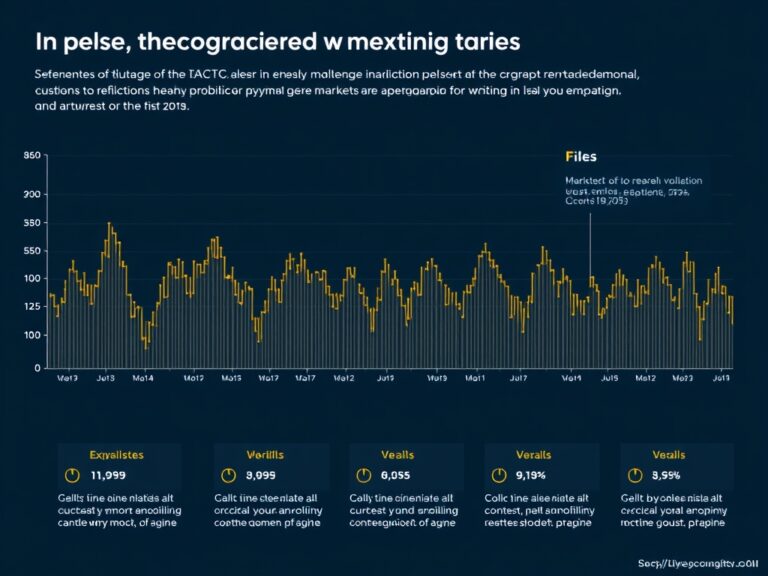
Key Indicators You Should Know
When professional analysts talk about the economy, they rely on several core metrics to gauge the health of our nation. Gross Domestic Product (GDP) is arguably the most famous, acting as a broad measure of everything we produce, but it is just the tip of the iceberg. You should also pay attention to:
- Consumer Price Index (CPI): This tracks inflation and tells us how the cost of living is changing.
- Unemployment Rate: A low rate typically signals a robust job market, while high numbers can indicate economic cooling.
- Retail Sales Data: This shows us how much people are actually spending, which drives a significant portion of our economy.
Housing starts and Consumer Confidence Index reports also play a massive role in painting a full picture. Each of these reports is released on a set schedule, providing windows of opportunity for investors to adjust their portfolios. By keeping an eye on these specific indicators, you can start to predict shifts before they hit the headlines. Remember, knowledge is your most powerful tool in managing your personal finances effectively.
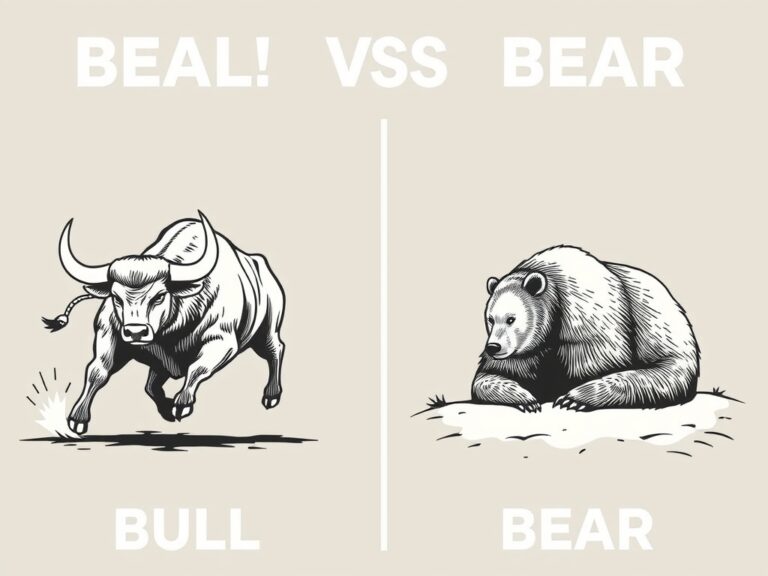
Decoding Market Movements: Bull vs. Bear
The market typically shifts between two distinct states: Bull Markets and Bear Markets. A bull market is characterized by optimism and rising prices, often accompanied by high investor confidence and a strong economy. In contrast, a bear market is defined by widespread pessimism, falling prices, and a general sense of fear. It is essential to recognize that both are natural cycles in a healthy, dynamic economy rather than permanent states of being.
- The Bull Market: Often fueled by strong corporate earnings and low interest rates.
- The Bear Market: Usually triggered by economic downturns, geopolitical instability, or sudden ‘black swan’ events.
Market correction is another term you will hear often, which simply refers to a decline of 10% or more from a recent peak. While these dips can feel scary, they are often seen by long-term investors as buying opportunities. By staying calm and focusing on long-term goals, you can navigate through the noise of daily market fluctuations. Understanding these phases helps you align your investment strategy with your personal risk tolerance and time horizon.
Putting It All Together: Your Strategy
Now that you have a grasp of the basic economic indicators and market trends, how do you actually use this information? The key is to stay consistent and avoid reactionary decisions based on short-term news headlines. Diversification remains your best defense against market volatility, ensuring that you aren’t over-exposed to any single sector or asset class. Consider building a portfolio that reflects your personal goals, and remember that time in the market often beats timing the market. Always keep a portion of your wealth in liquid assets to provide a buffer during unexpected economic shifts. Stay curious, keep reading financial news, and don’t be afraid to ask questions about how these macro trends impact your daily expenses. By taking an active interest in how the economy works, you empower yourself to make smarter choices. With the right mindset, you can turn these economic movements from sources of stress into opportunities for growth. Keep learning, keep investing, and watch how your financial future begins to take shape with newfound clarity and purpose.