7 Foundational Principles for Building Long-Term Wealth and Financial Freedom
Mastering Your Financial Foundation: A Roadmap to Prosperity
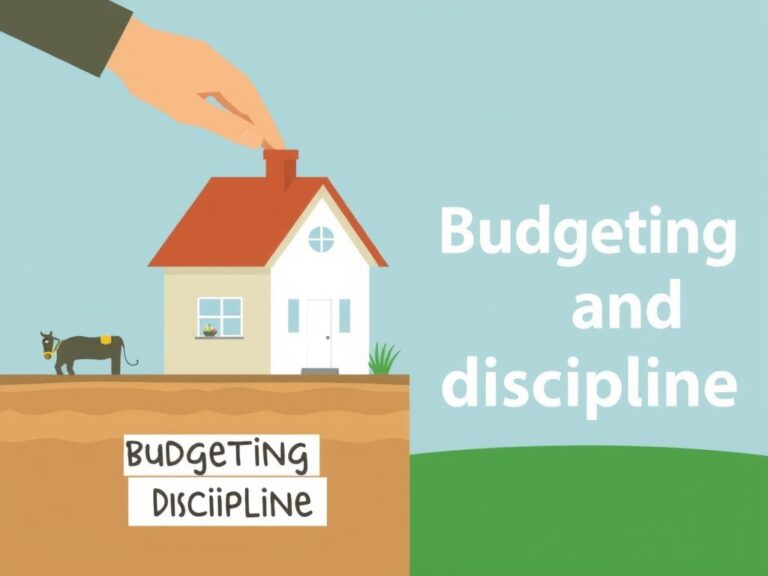
Building long-term wealth isn’t just about winning the lottery; it is a deliberate, step-by-step journey that requires discipline and strategic planning. To achieve true financial freedom, you must first master the basics of wealth management, which acts as the bedrock for all your future investments. Think of your finances as a house; you cannot build a sturdy structure on a cracked foundation. 📈 Start by auditing your current spending habits and identifying leaks in your budget that prevent you from saving effectively. This initial phase requires an honest look at your income versus your expenses, ensuring that you consistently spend less than you earn. By prioritizing this simple truth, you create the necessary ‘seed money’ for growth. Many people overlook this step, dreaming of high-return stocks before they have even mastered the art of holding onto their paycheck. Remember, wealth is what you keep, not just what you earn, and your financial freedom depends on this core discipline above all else. Every dollar saved today is an employee you are hiring to work for you tomorrow, compounding over time to create a life of abundance and peace of mind.
The Magic of Compounding and Strategic Investing
Once you have secured your spending, the next principle is to let your money work for you through the miracle of compound interest. 💸 Einstein famously called compound interest the ‘eighth wonder of the world,’ and for good reason: it transforms modest, consistent investments into massive portfolios over decades. The key here is time in the market rather than timing the market, which is a mistake many beginners make. You want to focus on:
- Low-cost index funds
- Dividend-growth stocks
- Diversified retirement accounts like a 401(k) or IRA
By automating your investments, you remove the emotional burden of market volatility, allowing your wealth to grow systematically. It is crucial to remember that inflation acts as a silent thief, eroding the value of your cash sitting in a traditional savings account. Therefore, investing is not a luxury, but a fundamental necessity for maintaining your purchasing power. Consistency is your greatest ally here, as even small monthly contributions can snowball into significant wealth if you stay the course for ten, twenty, or thirty years. Do not wait for the perfect time to start; the best time to plant the tree of wealth was twenty years ago, and the second best time is right now.

Managing Debt and Building Emergency Reserves
Financial freedom is nearly impossible to achieve if you are chained down by high-interest debt, such as credit card balances or predatory loans. 🚫 Your goal should be to aggressively pay down ‘bad debt’ while maintaining a safety net that protects you from life’s unexpected emergencies.
- Establish an emergency fund of 3-6 months of living expenses
- Use the ‘debt avalanche’ method to pay off high-interest items first
- Avoid lifestyle creep even as your income begins to grow
By prioritizing these steps, you protect yourself from the need to borrow money when things go wrong, which is the quickest way to ruin your long-term wealth strategy. Think of your emergency fund as your personal insurance policy, providing you the confidence to navigate job losses or unexpected repairs without compromising your investment contributions. Once your high-interest debt is eliminated, you can redirect those monthly payments toward your wealth-building goals, supercharging your progress. Maintaining a healthy balance between aggressive debt repayment and saving for the future is the hallmark of a savvy financial planner. Never let the desire for instant gratification derail your long-term success, as every debt-free month is a step closer to true independence.
The Final Pillars: Education, Diversification, and Mindset
The final foundational principles revolve around continuous education and the power of a long-term mindset. 🧠 Wealth is a skill that you can learn, and the most successful investors are those who stay curious about financial markets and personal finance trends. Never put all your eggs in one basket; diversification across various asset classes—like real estate, equities, and even personal business ventures—is critical for managing risk. You should always be reading, attending seminars, or consulting with financial experts to sharpen your edge in the marketplace. Furthermore, cultivate a ‘wealth mindset’ that views money as a tool for creating freedom rather than a symbol of status or consumption. Surround yourself with people who prioritize financial literacy, and hold yourself accountable to your long-term vision even when the path gets difficult. It is easy to get distracted by ‘get-rich-quick’ schemes, but true, sustainable wealth is built slowly through patience and adherence to these principles. As you grow, keep your eyes on the finish line: the ability to live life on your own terms, free from financial stress. With these seven pillars in place, you are well on your way to becoming the architect of your own financial destiny.