
Foundational Principles for Building Long-Term Wealth: A Strategic Guide
Mastering Your Financial Mindset: The First Step to Wealth
Building long-term wealth isn’t just about picking the right stocks; it begins with cultivating a growth-oriented mindset that prioritizes patience over quick wins. Many beginners make the mistake of chasing get-rich-quick schemes, but true financial freedom is a marathon, not a sprint. To start, you must clearly define what wealth means to you, whether it’s early retirement, debt-free living, or creating a legacy for your family. Understanding your ‘why’ acts as the fuel that keeps you motivated during market downturns or personal financial challenges. You should begin by auditing your current financial habits and identifying areas where you can shift from consumerism to conscious investing. Remember, every dollar you spend is a seed that could either grow into an asset or vanish into thin air. By adopting this intentional perspective, you align your daily actions with your grand vision for the future. Start by tracking your expenses, creating a realistic budget, and automating your savings as if they were non-negotiable bills. This foundational shift is what separates those who dream of wealth from those who systematically build it. Stay focused on your goals, and don’t let temporary setbacks derail your long-term vision for prosperity.

The Power of Compound Interest and Strategic Investing
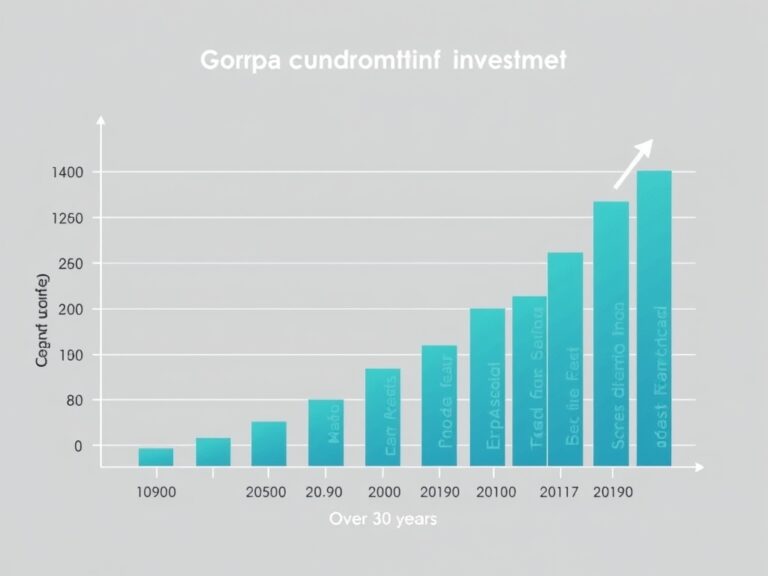
If there is a golden rule in the world of finance, it is arguably the concept of compound interest, often described as the eighth wonder of the world. By investing early and consistently, you allow your money to work for you through the cycle of earning returns on top of previously earned returns. This snowball effect is the secret sauce for anyone looking to build generational wealth, as it minimizes the heavy lifting you need to do later in life. To leverage this, consider these foundational investment strategies:
- Diversification: Don’t put all your eggs in one basket; spread investments across stocks, bonds, and real estate.
- Low-Cost Index Funds: These provide broad market exposure while keeping management fees to a minimum.
- Consistency: Utilize dollar-cost averaging to mitigate the impact of market volatility.
- Reinvestment: Always reinvest dividends to supercharge the compounding process.
By keeping your investment horizon long, you effectively smooth out the noise of short-term market fluctuations. It is important to stay educated, keep costs low, and maintain a disciplined approach regardless of how the headlines read. Over time, these small, consistent contributions grow into a formidable financial foundation that supports your future self. Never underestimate how much your future depends on the actions you take today with your investment portfolio.
Managing Liabilities and Debt: The Wealth-Building Anchor
While growing your income is essential, controlling your liabilities is equally critical to the wealth-building process. High-interest debt, such as credit card balances or predatory loans, acts as a massive anchor that drags down your net worth every single day. The first step in effective debt management is to differentiate between ‘good debt’ (which potentially builds assets, like a mortgage) and ‘bad debt’ (which depletes wealth through interest). Implementing strategies like the Debt Avalanche—paying off high-interest debt first—or the Debt Snowball—tackling smallest balances to build momentum—can change your financial trajectory. Aim to keep your debt-to-income ratio low so that you have more capital available for investment opportunities. Remember, every dollar spent on interest payments is a dollar that isn’t compounding in your brokerage account or retirement fund. If you are struggling with debt, create a strict repayment plan and treat it with the same intensity you would treat a business plan. Once your debt is under control, you gain the agility to pivot quickly when high-quality investment opportunities arise. Being debt-free is not just a milestone; it is a powerful catalyst that frees up your monthly cash flow to fuel your long-term success. Focus on becoming the master of your debts rather than a servant to them.

Protecting Your Assets and Planning for the Future
Finally, long-term wealth building requires a solid defense to protect what you have accumulated. Life is full of unexpected events, so risk management through insurance and estate planning is a non-negotiable part of your financial strategy. Having adequate health, life, and disability insurance ensures that a single accident doesn’t wipe out years of hard-earned progress. Furthermore, creating a will or a trust provides peace of mind, ensuring that your assets are distributed according to your wishes. Consider the following defensive layers:
- Emergency Fund: Maintain at least 3-6 months of expenses in a liquid high-yield savings account.
- Asset Protection: Explore legal structures like LLCs or trusts if you own significant real estate or business assets.
- Tax Efficiency: Utilize tax-advantaged accounts like IRAs or 401(k)s to keep more of your earnings.
- Continuous Education: Stay updated on tax laws and financial regulations to optimize your strategy.
By building these layers of protection, you create a fortress around your wealth that allows you to sleep soundly at night. Wealth is not just about how much you make; it is about how much you keep and how well you defend it against external threats. As you refine these principles, you will find that your financial life becomes more stable, predictable, and ultimately successful. Congratulations on starting this journey toward lasting financial independence—your future self will thank you for the hard work and discipline you invest today.