

7 Foundational Concepts to Build Long-Term Wealth and Financial Freedom
Mastering Your Financial Future: The 7 Building Blocks
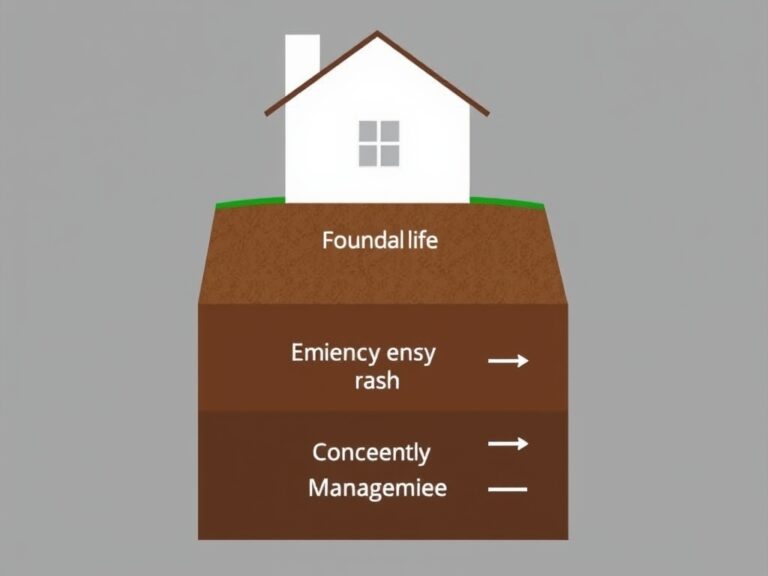
Building long-term wealth isn’t just about how much money you earn; it is about how you manage, grow, and protect what you keep over time. Many people search for a get-rich-quick scheme, but true financial freedom is built on foundational pillars that stand the test of time. First, you must prioritize financial literacy because understanding how money works is your greatest competitive advantage in today’s economy. You should start by tracking every dollar to understand your cash flow patterns, which helps in identifying unnecessary expenses that sabotage your growth. Second, establishing an emergency fund is non-negotiable; this acts as your financial safety net, preventing you from going into debt when life throws a curveball. Think of this as your ‘sleep-at-night’ money that ensures you don’t have to liquidate your investments during a market downturn. Third, you need to minimize high-interest debt aggressively, as interest payments are essentially ‘wealth drains’ that hinder your progress. By mastering these basics, you shift from being a consumer to becoming a wealth builder.
- Track your income and expenses daily.
- Build a 3-6 month emergency fund.
- Eliminate high-interest consumer debt.
This isn’t just math; it is a fundamental shift in your behavioral approach to your bank account.
The Magic of Compounding and Strategic Investing
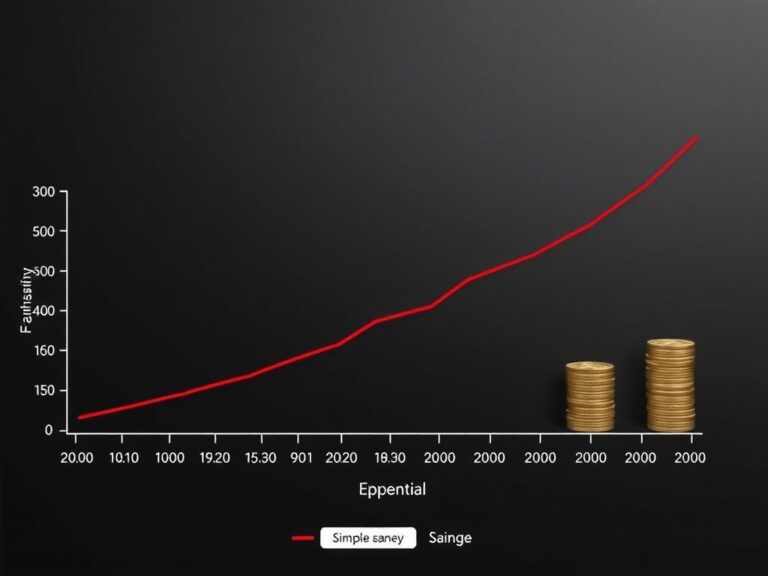
Once you have stabilized your foundation, the next step is to leverage the power of compound interest, often described as the eighth wonder of the world. By investing early and consistently, you allow your money to grow exponentially through the reinvestment of earnings. You should consider diversifying your portfolio across various asset classes, such as index funds, ETFs, or even real estate, to spread out your risk effectively. Do not be fooled by ‘market timing’; instead, focus on time in the market, which has historically proven to be a superior strategy for wealth creation. It is essential to understand your risk tolerance and align your investment strategy with your long-term life goals. Many experts suggest automating your investments so that a portion of your income goes straight into your brokerage or retirement accounts before you have a chance to spend it. This ‘set it and forget it’ mentality removes the emotional stress that often leads to bad financial decisions during market volatility. Remember, consistency is significantly more important than the amount of money you invest in the beginning.
- Automate your monthly contributions.
- Reinvest all dividends and capital gains.
- Maintain a long-term perspective of 10+ years.
Your future self will thank you for the small, disciplined sacrifices you make today.
Protecting Your Assets and Expanding Your Revenue
The final pillar to achieving lasting financial freedom involves two critical actions: increasing your earning power and protecting your wealth through insurance and estate planning. You should constantly look for ways to boost your income, whether that means upskilling in your current career, starting a side hustle, or pursuing passive income streams like digital products or rental property. Diversifying your income is the most effective way to insulate yourself from economic shifts, as relying on a single paycheck is a major vulnerability. Furthermore, you must protect your assets with adequate insurance—life, health, and disability insurance are not just expenses, they are risk mitigation tools. Without this protection, one major medical event could wipe out years of savings, setting you back significantly. Finally, consult with a professional to draft a basic estate plan, ensuring that your wealth is passed down according to your wishes. By viewing these steps as proactive wealth management, you transition from ‘trying to get by’ to ‘mastering your financial destiny.’ Stay curious, stay disciplined, and always prioritize your long-term goals over short-term gratification.
- Develop a high-value skill set.
- Purchase adequate insurance coverage.
- Review your estate plan annually.
Financial freedom is a marathon, not a sprint, and these seven concepts provide the map for the journey.