
Decoding the Markets: A Plain-English Guide to Economic Indicators and Trends
Understanding the Pulse of the Global Economy
Have you ever wondered why stock markets swing wildly based on a single news report? Decoding economic indicators is essentially like learning to read the vital signs of the global economy. Think of these indicators as a dashboard for your financial health, providing real-time data on how the world is truly performing. Whether you are an investor or just a curious professional, understanding terms like GDP, CPI, and Unemployment Rates is your first step toward financial literacy. By tracking these metrics, you can transition from reactive panic to proactive planning. Let’s break down the noise so you can spot market trends before they hit the evening news. It is not about having a PhD in economics; it is about knowing which levers move the needle. When we talk about the ‘pulse,’ we are really talking about the intersection of consumer confidence and corporate output. Let’s dive into how these data points tell a cohesive story about our daily lives. Stick around as we simplify the complex, one indicator at a time.
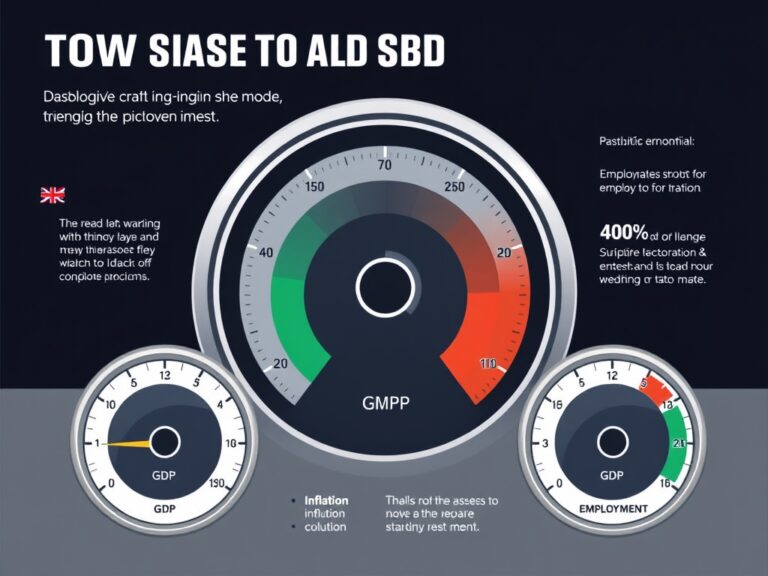
The Big Three: GDP, Inflation, and Labor Markets
The most important trio in your economic toolkit includes the Gross Domestic Product (GDP), the Consumer Price Index (CPI), and the Employment Situation Report.
- GDP: Measures the total value of goods and services; it is the ultimate scoreboard for national output.
- Inflation (CPI): Tracks the price changes of your everyday basket of goods, which directly impacts your purchasing power.
- Labor Markets: When more people are working, the economy is generally humming with demand and productivity.
These three work in concert to define whether we are in an expansion, a contraction, or a recession. Why does this matter to you? Because these numbers dictate central bank policies, such as interest rate hikes, which influence your mortgage rates and savings yields. If CPI is skyrocketing, expect the Federal Reserve to tighten the belt. Understanding these relationships allows you to anticipate shifts in the interest rate environment. Think of GDP as the engine, inflation as the fuel temperature, and labor as the oil keeping everything running smoothly.
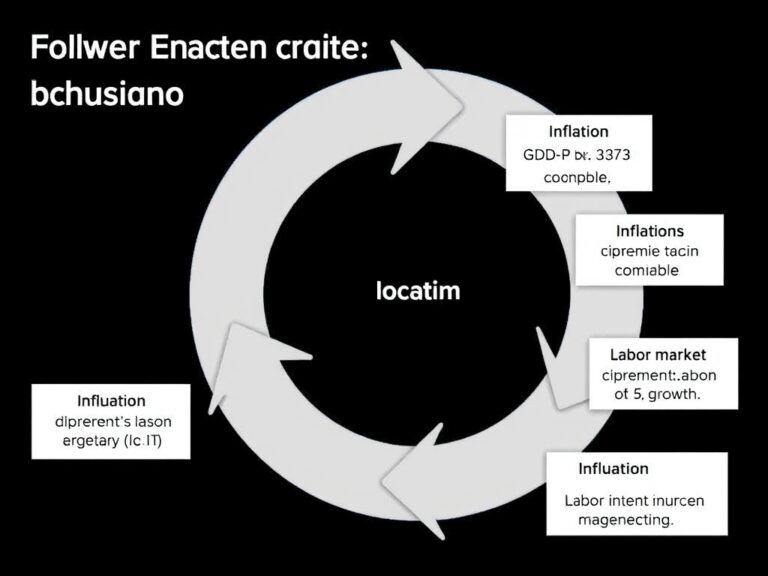
Decoding Market Trends Like a Pro
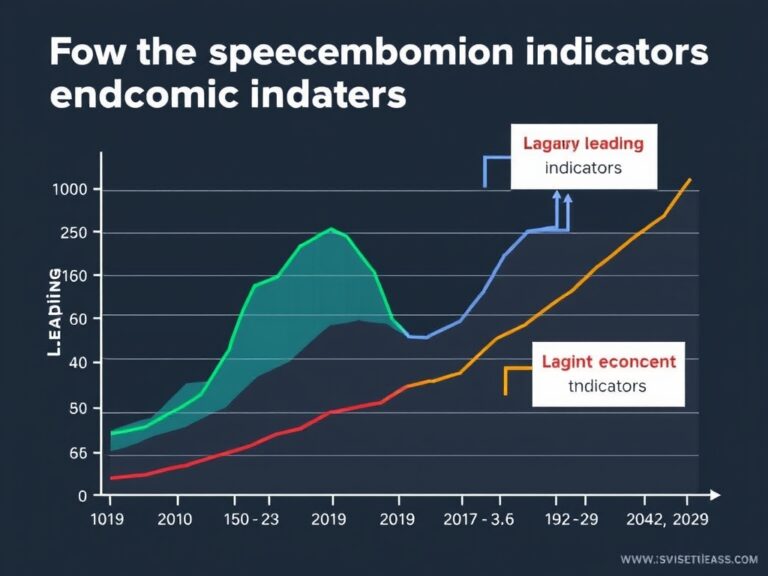
Spotting a trend is not about guessing; it is about identifying patterns in cyclical economic behavior. Markets rarely move in a straight line, but they do tend to follow predictable arcs based on current economic cycles. For instance, in an early recovery phase, you might see small-cap stocks outperform because they benefit most from rebounding consumer sentiment. Conversely, during late-stage expansions, defensive sectors like utilities and healthcare often gain favor as investors brace for a potential slowdown. Pro-tip: Keep an eye on the yield curve, as an inverted curve is historically one of the most reliable indicators of an impending recession. Don’t let the jargon intimidate you; just remember that every trend is essentially a reflection of collective human behavior. When businesses feel optimistic, they hire more; when they feel threatened, they tighten budgets. If you learn to watch the ‘leading’ indicators rather than just the ‘lagging’ ones, you will gain a significant edge. Be patient, observe the shifts in sentiment, and never underestimate the power of historical data.
Practical Steps for Your Financial Strategy
Now that you know how to read the signs, how do you actually apply this to your portfolio? Diversification is your best friend when navigating volatile economic landscapes, acting as a shield against sector-specific downturns. You shouldn’t try to time the market perfectly, as even professional traders struggle to get that right consistently. Instead, focus on building a robust strategy that can withstand various market conditions, regardless of what the latest CPI data says.
- Stay informed: Set up alerts for major economic reports.
- Be long-term oriented: Macro trends take months or even years to fully unfold.
- Review regularly: Rebalance your portfolio to ensure you haven’t become too exposed to one single sector.
By keeping your strategy simple, you avoid the trap of emotional decision-making which is the #1 killer of wealth. Remember, the goal of decoding the markets is to gain peace of mind, not to increase your daily stress. Keep learning, keep analyzing, and use these tools to secure your financial future with confidence. Knowledge is not just power; it is your ultimate competitive advantage in an uncertain world.