
Making Sense of Markets: A Plain-English Guide to Economic Indicators and Trends
Understanding the Economic Pulse: Why Market Trends Matter
Have you ever scrolled through financial news and felt like you were reading a foreign language? You aren’t alone! Economic indicators act like the dashboard of your car, giving you vital clues about the health of the global economy. By learning to decode these trends, you shift from being a passive observer to an informed participant in your own financial future. Whether you are an investor or just a curious citizen, understanding macroeconomics helps you make sense of why prices change and how interest rates affect your daily spending. Think of it as developing a ‘sixth sense’ for market cycles. We are going to break down complex data into simple, actionable insights. Remember, the market isn’t just about stocks; it’s a reflection of human behavior and production. Let’s dive into the essential metrics that move the needle.
- GDP growth
- Inflation rates
- Consumer confidence
This guide is your roadmap to navigating the noise and finding the signal in the data. You don’t need a PhD in finance to get ahead; you just need to know which signs to watch for.
GDP: The Ultimate Scorecard of Economic Health
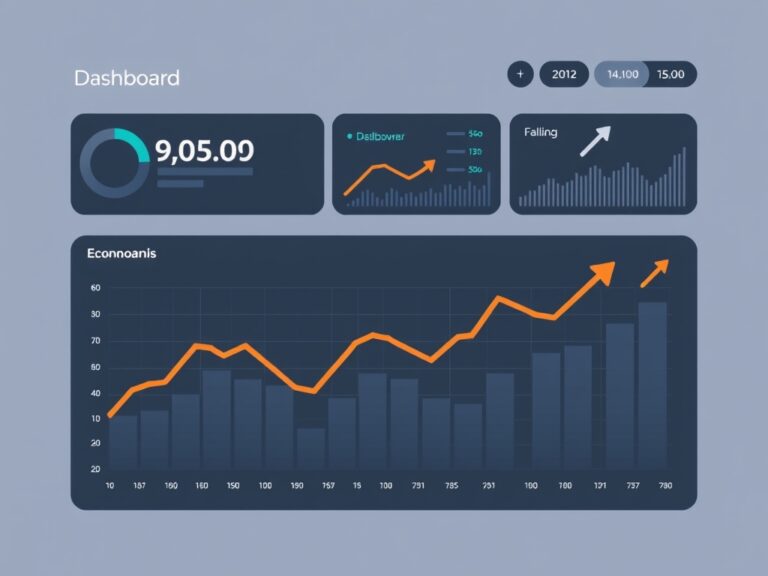
The Gross Domestic Product (GDP) is essentially the total ‘score’ of a country’s economic activity. When GDP is growing, businesses are usually hiring, people are spending, and the economy feels vibrant. If GDP stalls, it is often a warning sign that the engine needs a tune-up or a stimulus boost. It’s important to look at GDP through the lens of growth rates rather than just raw numbers to see the true trajectory. Why does this matter to you? High growth periods often lead to better wage increases and more opportunities for career advancement. Conversely, stagnant GDP can signal a period of belt-tightening for households and businesses alike. You can track this data through government portals or reliable financial news outlets that update quarterly. Keep in mind that GDP doesn’t capture everything—like informal work or volunteer efforts—but it is the gold standard for macro-analysis.
- GDP is measured in constant or nominal terms
- Unexpected dips often trigger market volatility
- Government policy shifts are usually timed to influence GDP outcomes
By keeping an eye on this metric, you can better time your personal financial decisions, like when to make a major purchase or increase your savings rate.
Taming the Beast: Inflation and Purchasing Power
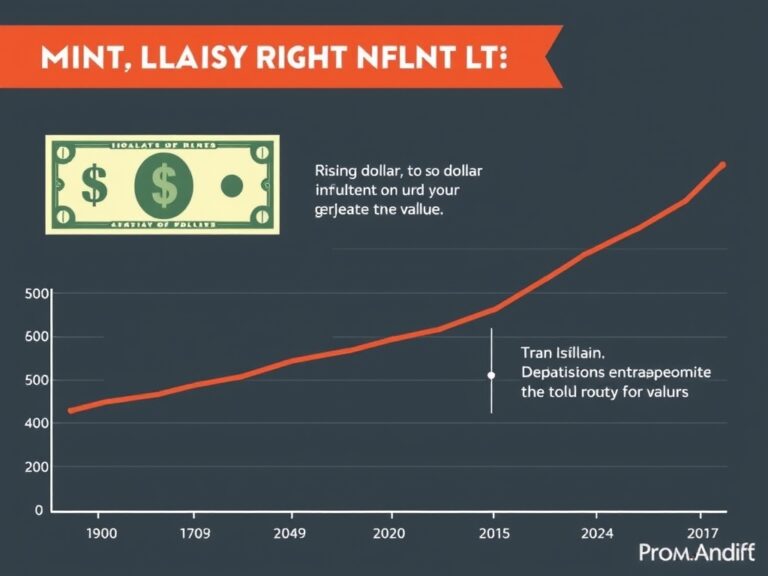
Inflation is the quiet force that changes the value of every dollar in your wallet. In simple terms, inflation is the rate at which the general level of prices for goods and services is rising. A little bit of inflation is actually considered healthy because it encourages spending rather than hoarding cash, but too much can erode your purchasing power quickly. Have you noticed your weekly grocery bill creeping higher lately? That is inflation at work! Central banks use interest rate hikes as a primary tool to cool down an overheating economy and bring inflation back toward a target range. Understanding this relationship helps you grasp why your savings account yield changes or why mortgage rates fluctuate. Key indicators like the Consumer Price Index (CPI) provide a window into how much your cost of living is evolving over time.
- Demand-pull inflation
- Cost-push inflation
- Built-in inflation
Being proactive means understanding that your money’s value is dynamic, not static. By recognizing the trend, you can adjust your investment strategies to hedge against rising costs, ensuring your long-term goals remain on track despite the shifting landscape.
Labor Markets: The Human Element of Finance
Numbers on a spreadsheet are important, but the labor market is where the real economy comes to life. Employment data, specifically the unemployment rate and monthly payroll reports, tells us if businesses are confident enough to grow. When companies are actively hiring, it signals health and expansion; when layoffs increase, it suggests economic contraction. For the individual, a tight labor market is fantastic for job security and competitive salary negotiations. Conversely, a loose market with high unemployment often puts the power back in the hands of employers. Paying attention to these reports allows you to gauge the overall ‘mood’ of the business sector. Job creation is perhaps the most reliable indicator of sustained economic prosperity.
- Non-farm payroll data
- Labor force participation rate
- Wage growth metrics
As you track these updates, consider how they correlate with consumer spending, which makes up a massive portion of our economic output. By connecting the dots between employment levels and market performance, you become much better equipped to anticipate where the economy might be heading in the next few months or even years.