
Understanding the Economy: A Plain-English Guide to Market Trends and Indicators
Decoding the Economic Puzzle: Why Trends Matter
Have you ever felt like financial news is written in a secret code meant only for Wall Street insiders? You aren’t alone, but understanding the economy is far more accessible than most people think. At its core, the economy is simply the collective result of how we all spend, save, and work. When we talk about market trends, we are really just observing the shifting moods of millions of participants. Keeping an eye on these indicators is crucial because they influence everything from your personal interest rates to your job security. By learning to read these signals, you gain a massive advantage in managing your financial future. Think of it as gaining a weather forecast for your bank account so you can prepare for storms or sunny days ahead. Throughout this guide, we will break down these complex terms into plain English that actually makes sense. Let’s start by demystifying the most common buzzwords you hear in the headlines every single day.
The Big Three: Essential Economic Indicators
To truly get a handle on the landscape, you need to track a few key economic indicators that act like a car’s dashboard. First, we have Gross Domestic Product (GDP), which is basically the total value of everything produced in the country. If the GDP is growing, the ‘engine’ of the economy is humming along nicely. Second, we look at the Consumer Price Index (CPI), which tells us how much prices are changing, otherwise known as inflation. When inflation is high, your dollar simply doesn’t stretch as far as it used to at the grocery store. Third, we have the Unemployment Rate, a vital sign that shows how healthy the job market is for workers. Here is a quick cheat sheet for what to watch:
- GDP: The total economic output of a nation.
- CPI: The standard measure for tracking inflation trends.
- Unemployment Rate: The percentage of the workforce currently seeking jobs.
By keeping these three metrics in your peripheral vision, you can see the broader picture of whether the economy is expanding or cooling down.

Inflation and Interest Rates: The Balancing Act
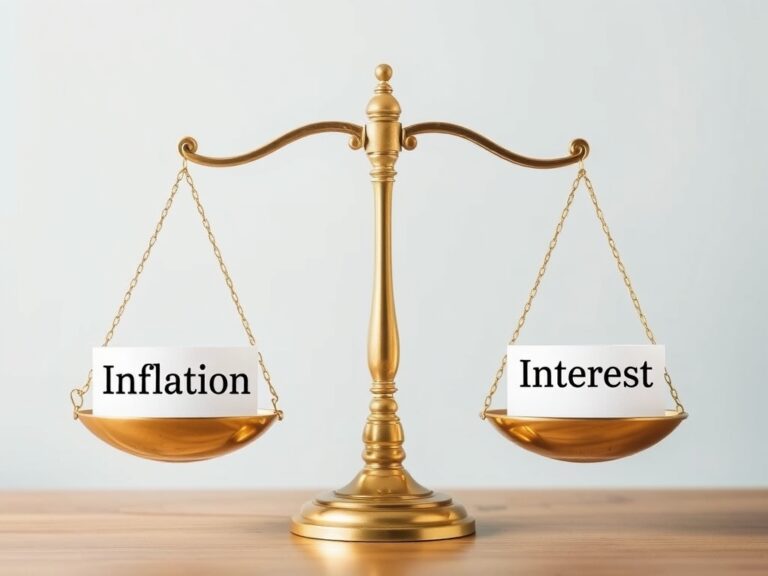
Have you noticed that the Federal Reserve is constantly in the news regarding interest rates? This is because interest rates are the primary lever used to balance the economy and keep inflation in check. When the economy is overheating—meaning prices are rising too quickly—the Fed often raises rates to encourage saving over spending. This process acts like a brake on the economic vehicle to prevent a chaotic crash. Conversely, if the economy is stagnant, they might lower rates to make borrowing cheaper and stimulate growth. Higher interest rates make mortgages and credit cards more expensive, which slows down consumer demand. Lower interest rates make it easier to buy homes and expand businesses, which kicks growth into high gear. It is a delicate, ongoing dance designed to keep the economy moving at a sustainable pace. As a consumer, understanding this relationship helps you time big purchases like buying a new home or refinancing a loan.
Staying Informed: Your Path to Financial Confidence
Ultimately, market trends are not just numbers on a screen; they reflect real-world behaviors that affect your daily life. You don’t need a degree in finance to stay ahead of the curve; you just need to develop a habit of curiosity. Start by checking reputable financial news sources once a week to see if the major indicators are moving up or down. Pay attention to how global events might impact supply chains or commodity prices, as these ripples eventually reach your neighborhood. Remember, financial stability is built on consistency rather than trying to time the market perfectly. By staying informed, you transform from a passive observer of the economy into an active participant who can make better decisions. Always remember to prioritize your long-term goals over temporary panic or excitement in the media. With a bit of knowledge and a cool head, you can navigate any economic season with confidence. Keep learning, keep saving, and you will build a resilient foundation for your future.