
Decoding the Markets: A Plain-English Guide to Economic Indicators and Trends
Understanding the Pulse of the Global Economy
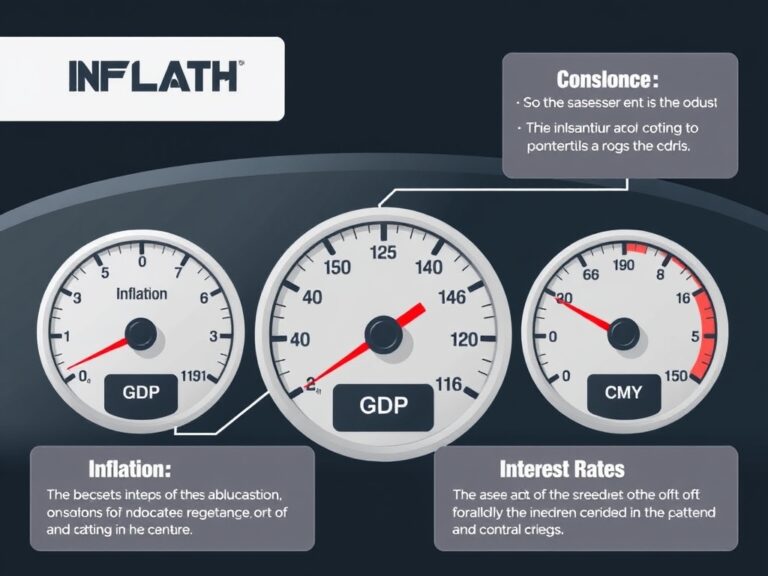
Have you ever watched the news, heard terms like GDP or CPI, and felt like the experts were speaking a secret, coded language? You aren’t alone, as decoding the markets can feel like an overwhelming task for anyone without a PhD in economics. In this guide, we are going to break down these complex economic indicators into plain English so you can make sense of the financial world around you. At its core, the economy is simply a collection of billions of individual decisions, and indicators act like a dashboard for your car, telling you how fast things are moving or if the engine is overheating. We will explore how inflation, employment data, and interest rates influence your daily life and your investment portfolio. By the end of this post, you will feel confident navigating the noise of financial headlines. Let’s peel back the layers of these market signals together. It is not about predicting the future with a crystal ball; it is about reading the signs to make smarter choices. Are you ready to master the fundamentals? Let’s dive right in.
The Big Three: GDP, Inflation, and Employment
When economists talk about the health of a nation, they usually point to a few specific metrics that carry the most weight. First, we have GDP (Gross Domestic Product), which is essentially the total scorecard of all goods and services produced within a country’s borders. Think of it as a measurement of the country’s collective output; if it grows, the economy is typically thriving. Second, we have Inflation, specifically the Consumer Price Index (CPI), which measures how much your dollar loses its purchasing power over time. It answers the question: ‘Why is my grocery bill getting so expensive?’ Finally, we have the Unemployment Rate, which is a powerful indicator of labor market health. When people are working, they are spending, which fuels the entire cycle of economic activity. Together, these three indicators provide the foundation for understanding market trends:
- GDP: The engine of economic growth.
- Inflation: The silent tax on your savings.
- Employment: The heartbeat of consumer spending power.
Understanding these helps you see the ‘why’ behind major market shifts.
How Interest Rates and Central Banks Pull the Strings
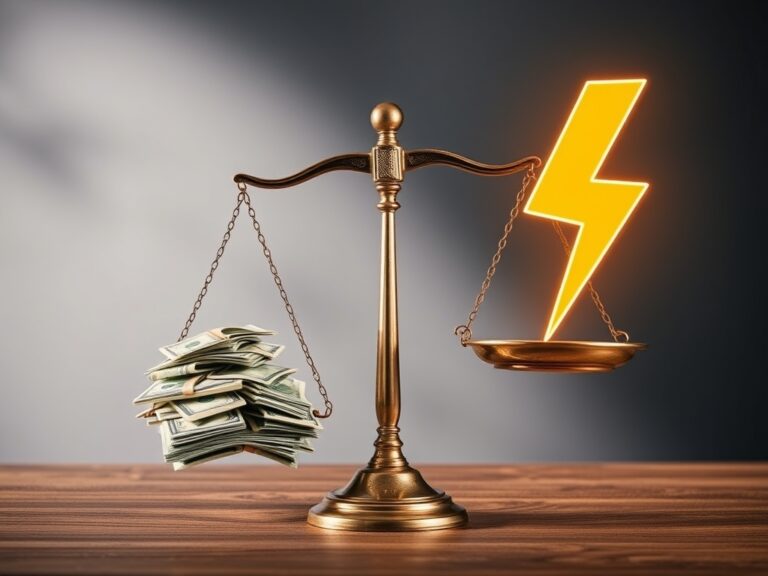
If GDP and inflation are the symptoms of an economic condition, central banks like the Federal Reserve are the doctors prescribing the medicine. The primary tool in their kit is the interest rate, which dictates how expensive it is to borrow money for a house, a car, or a business expansion. When the economy is moving too fast and inflation spikes, central banks raise rates to ‘cool things down’ by making borrowing costlier. Conversely, if the economy enters a slump, they cut rates to stimulate spending and encourage growth. It is a constant balancing act between fostering prosperity and keeping prices stable. Investors watch these decisions like hawks because they directly affect stock market valuations and bond yields. When you see news about the ‘Fed rate hike,’ understand that it is essentially a dial being turned to either accelerate or brake the economy. Knowing this helps you time your own major financial decisions more effectively. It is a delicate dance, and even the smallest adjustments can cause ripples across the globe.
Putting It All Together: Trends and Your Portfolio
So, how do you take this knowledge and turn it into actionable insight? The trick is to look for long-term trends rather than reacting to daily, volatile headlines that are often designed to trigger panic. Successful investing is rarely about catching the exact bottom of a market or predicting the next recession perfectly. Instead, it is about staying diversified and recognizing where we are in the economic cycle. When the indicators point toward growth, you might feel more comfortable with riskier assets, but when the clouds gather, shifting toward stability is a wise move. Remember, markets are forward-looking machines; they often react to what is expected to happen, not just what is happening today. By keeping an eye on the leading indicators—like manufacturing orders or housing starts—you can get a head start on understanding the direction of the wind. Keep your perspective wide and your strategy disciplined. The goal is to remain calm when the numbers fluctuate wildly. You are now equipped with the vocabulary to decode the noise and build your own informed outlook on the economy.