
Making Sense of the Markets: Economic Indicators and Trends Explained in Plain English
Understanding the Pulse of the Global Economy
Have you ever watched the news, heard terms like GDP or inflation, and felt like the reporters were speaking a different language? You aren’t alone! Making sense of the markets can feel like trying to solve a puzzle with half the pieces missing, but it doesn’t have to be intimidating. At its core, economic indicators are simply the vital signs of our financial world, telling us whether the economy is healthy, overheating, or needing a boost. Think of them as the dashboard in your car; just as your speedometer tells you how fast you’re going, these data points tell us where the economy is headed. By learning to read these signals, you can move from feeling like a spectator to becoming a more informed participant in your own financial future. It is not just about crunching numbers; it is about understanding the human behavior that drives these shifts. Whether you are an investor or just someone curious about why prices at the grocery store change, grasping these basics is a superpower. We will break down these complex ideas into plain, everyday English so you can navigate the headlines with confidence. Let’s pull back the curtain on how the financial world actually ticks, one indicator at a time.

Decoding the Big Three: GDP, Inflation, and Employment
When economists talk about the health of a nation, they usually start with three heavy hitters: Gross Domestic Product (GDP), Consumer Price Index (CPI), and the unemployment rate.
- GDP: This is the total value of all goods and services produced; it is essentially the ‘scorecard’ of economic output.
- Inflation (CPI): This measures the average change in prices over time, which directly impacts your purchasing power.
- Employment Data: Low unemployment suggests a thriving job market, while high numbers can signal economic distress.
These indicators act as a tripod for understanding economic stability. When GDP is growing, businesses feel confident, which often leads to more hiring. However, if inflation climbs too fast, it acts as a silent tax that eats into your savings. Meanwhile, the employment report provides a human element to the data, reminding us that economics is ultimately about people finding work and supporting their families. Monitoring these three metrics gives you a baseline for interpreting almost any financial headline you read. When these figures move in tandem, they create a story about whether the country is in an expansion phase or a contraction phase. By keeping an eye on these specific releases, you can anticipate trends before they become front-page news.
Why Trends Matter More Than Single Data Points
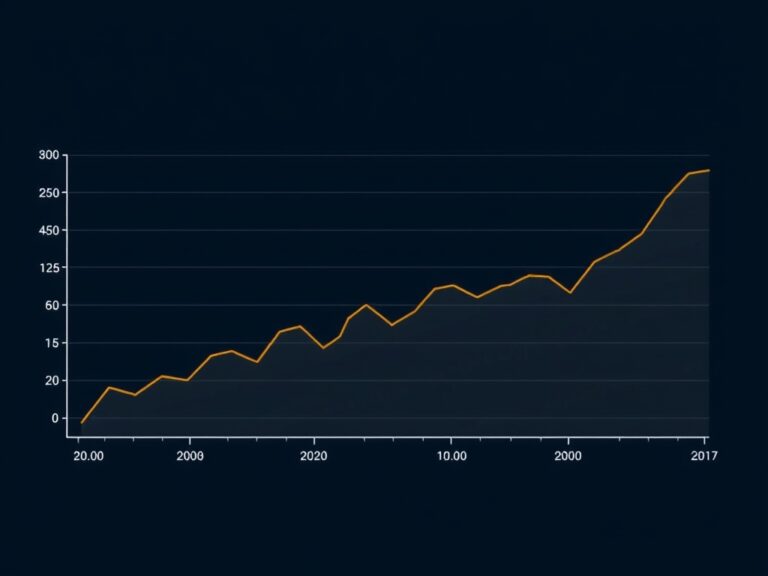
It is easy to get caught up in the hype of a single report, but the real secret to market analysis is looking at the trend rather than a one-time spike. Imagine looking at a single frame of a movie and trying to guess the entire plot; you would likely be wrong! Markets are cyclical, meaning they naturally go through periods of growth, peak, recession, and recovery. Market trends help us identify which stage of the cycle we are currently in, allowing for more strategic decision-making. You should look for consistency over several months to confirm if a shift is truly occurring. For instance, one bad month of retail sales might just be a blip, but six months of decline indicates a structural problem. This is where technical and fundamental analysis come together to provide a clearer picture. Don’t let volatility spook you into making rash decisions with your money. Instead, train your eyes to spot the ‘big picture’ trajectory by using charts and historical context. Being a patient observer of these trends allows you to stay calm when the market gets noisy. Remember, the goal isn’t to predict the future perfectly, but to understand the direction of the wind so you can adjust your sails accordingly.
Staying Informed Without Getting Overwhelmed
In today’s digital age, we are bombarded with financial information, but not all data is created equal. It is vital to curate your sources and focus on reputable outlets that provide context rather than just clickbait headlines. You don’t need a degree in finance to make sense of the market; you just need curiosity and a few reliable resources. Use tools like the Bureau of Economic Analysis or major financial news outlets to get the raw facts. Consider setting up Google Alerts for specific economic releases so you get the information directly as it happens.
- Stay skeptical: Always question the motivation behind a headline.
- Keep it simple: Focus on how the data affects your personal or investment budget.
- Stay patient: Successful economic understanding is a marathon, not a sprint.
Developing these habits will help you maintain a balanced perspective. Eventually, reading about interest rates or trade balances will become as natural as checking the weather forecast. By staying consistently informed, you empower yourself to make decisions that align with your long-term goals. Never underestimate the value of your own common sense when interpreting complex reports. You are now better equipped to decipher the financial news and act with clarity rather than fear.