
Making Sense of the Markets: A Plain-English Guide to Economic Indicators and Trends
Decoding the Market: Why Economic Indicators Matter
Have you ever felt like the financial news is speaking a completely different language? You are certainly not alone; economic indicators can feel like a complex puzzle, but once you learn the basics, they start to reveal a fascinating story about our world. Think of these indicators as the vital signs of the global economy, helping us gauge everything from consumer health to industrial growth. Whether you are a seasoned investor or just someone trying to understand why grocery prices fluctuate, knowing how to interpret these trends is a game-changer. We are going to break down the noise so you can make sense of the constant headlines that define our financial reality.
- GDP (Gross Domestic Product)
- Inflation Rates (CPI/PPI)
- Employment Data (Non-farm payrolls)
By focusing on these core metrics, you gain a clearer lens through which to view market volatility. It is not about predicting the future with crystal balls, but rather about understanding the underlying currents that drive market shifts. Let’s embark on this journey to demystify the numbers and empower your decision-making process today.
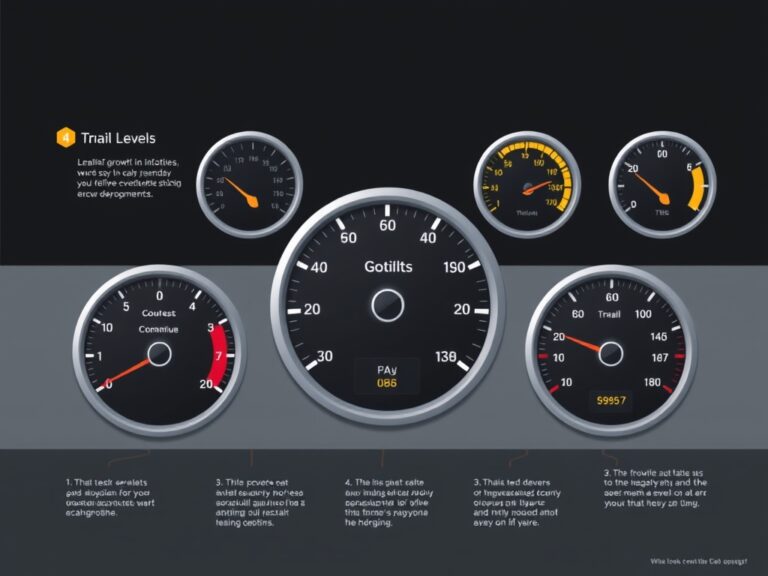
Growth and Value: Understanding GDP and Inflation
When you hear economists talk about GDP, they are essentially measuring the total market value of all finished goods produced within a country. It is the most comprehensive scorecard we have, representing the collective output of every business and worker across the nation. However, growth is only half the battle, as we must also consider the persistent influence of inflation. Inflation tracks how much our purchasing power is eroding over time, often signaled by the Consumer Price Index (CPI). When prices rise faster than wages, the ‘real’ economy feels the squeeze, regardless of what the GDP growth charts might suggest.
- GDP tells us the size of the pie.
- CPI tells us the cost of the ingredients.
Understanding the tension between these two indicators helps you recognize if an economy is overheating or perhaps stagnating. It is vital to remember that a little bit of inflation is usually seen as a sign of a healthy, growing economy, but runaway numbers can lead to significant uncertainty. By keeping a close eye on these reports, you can anticipate how central banks might adjust interest rates in response to these changing economic conditions.
The Workforce Pulse: Why Employment Numbers Drive Markets
Perhaps no other statistic commands as much attention on Wall Street as the monthly employment report. Why? Because the labor market is the heart of consumer spending, which accounts for the vast majority of our economic activity. When people have steady jobs, they feel confident enough to buy homes, cars, and groceries, which in turn fuels corporate earnings and market performance.
- Low Unemployment: Usually points to high consumer confidence and wage growth.
- High Unemployment: Often signals a contraction and potential need for economic stimulus.
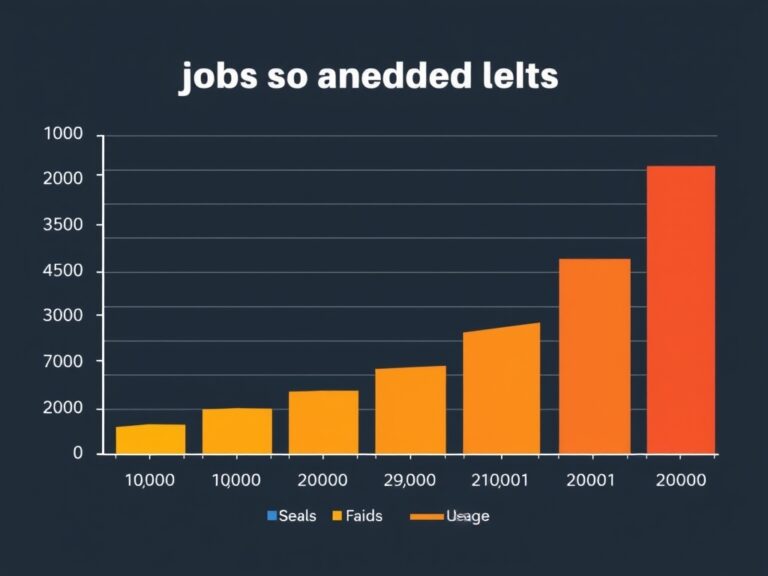
You should pay close attention to the ‘Non-farm payrolls’ data released regularly, as it provides a snapshot of how many people were added to the workforce. This isn’t just a dry number; it is a direct reflection of business health and future expectations. When companies are hiring, it signifies growth; when they are cutting back, the markets often react with caution. By understanding this relationship, you can better grasp why a seemingly ‘good’ report might sometimes lead to market drops—it is all about how the data influences expectations for future interest rates.
Connecting the Dots: Making Smarter Financial Choices
Now that we have covered the key indicators, how do you actually apply this knowledge to your everyday financial life? It is all about maintaining a long-term perspective rather than reacting to every single headline that pops up on your phone. Market trends are rarely linear, and economic indicators often move with a ‘lag,’ meaning the data reflects what has already happened, not necessarily what will happen tomorrow.
- Diversification is your best defense against volatility.
- Always distinguish between ‘market noise’ and ‘economic signals.’
- Keep your personal financial goals at the center of your strategy.
By filtering out the sensationalist media noise, you can focus on the underlying economic trends that truly impact your wallet. Remember, being an informed observer is the first step toward becoming a more confident participant in the economy. You do not need to be a Wall Street titan to navigate these waters effectively; you just need patience and the right context. Use this knowledge to stay calm during market swings and keep your eyes on the horizon. After all, understanding the economy is not a sprint, but a lifelong marathon of learning and adaptation.