
Making Sense of the Markets: Economic Indicators and Trends Explained Simply
Understanding the Market Pulse: Why Economic Indicators Matter
Have you ever looked at the stock market news and felt like you were reading a foreign language? You aren’t alone; the world of finance and economics can seem incredibly daunting, but it really comes down to a few key ‘vital signs.’ Just like a doctor checks your blood pressure and heart rate to understand your health, investors use economic indicators to gauge the overall health of the economy. These data points act as a compass, helping you navigate through market volatility and make informed decisions about your portfolio.
- GDP Growth: The total output of goods and services.
- Inflation Rates: The pace at which prices are rising.
- Consumer Confidence: How optimistic people feel about spending money.
When these indicators move, the market reacts, sometimes with wild swings that leave everyday investors scratching their heads. By learning how to interpret these trends, you stop reacting to headlines and start understanding the underlying market fundamentals. It is not about predicting the future with a crystal ball, but rather reading the signals that are already there. Let’s dive into how you can start making sense of these trends without needing a PhD in economics.

The Big Three: GDP, Inflation, and Employment
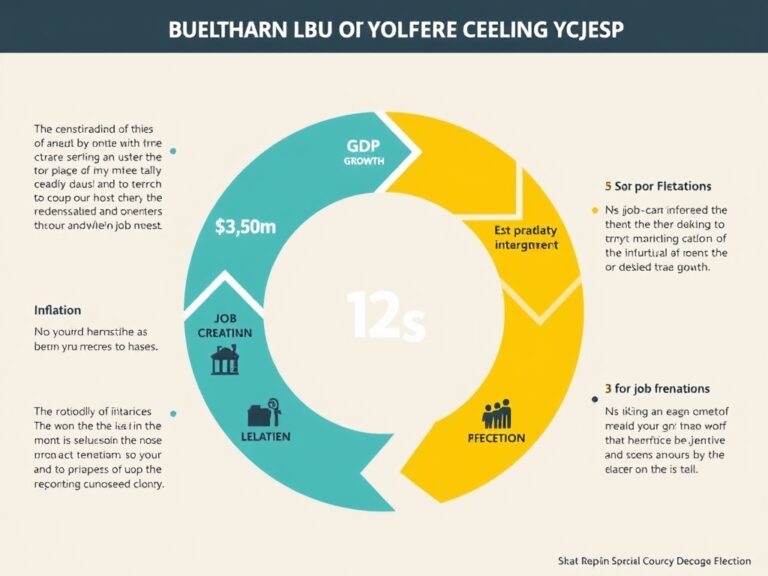
When you start digging into economic health, three specific indicators often dominate the conversation: GDP, the Consumer Price Index (CPI), and Employment figures. Think of GDP (Gross Domestic Product) as the economic engine; when it is running smoothly and expanding, businesses tend to thrive and stocks often perform well. Conversely, inflation acts like the thermostat—if it gets too high, it burns through purchasing power, forcing central banks like the Federal Reserve to raise interest rates, which can cool down the market. Meanwhile, the Jobs Report gives us a look at the labor market’s stamina, because when people have jobs, they spend money, and when they spend money, the economy grows.
- Low unemployment signals a strong consumer base.
- High inflation pressures corporate profit margins.
- GDP contraction indicates a potential recessionary phase.
Understanding how these three interact is your first step toward true financial literacy. It’s like a balancing act where policymakers try to keep growth steady while keeping prices from spiraling out of control. Once you recognize these patterns, you’ll find that market movements feel much more logical than they did before.
Decoding the Signals: Trends vs. Noise
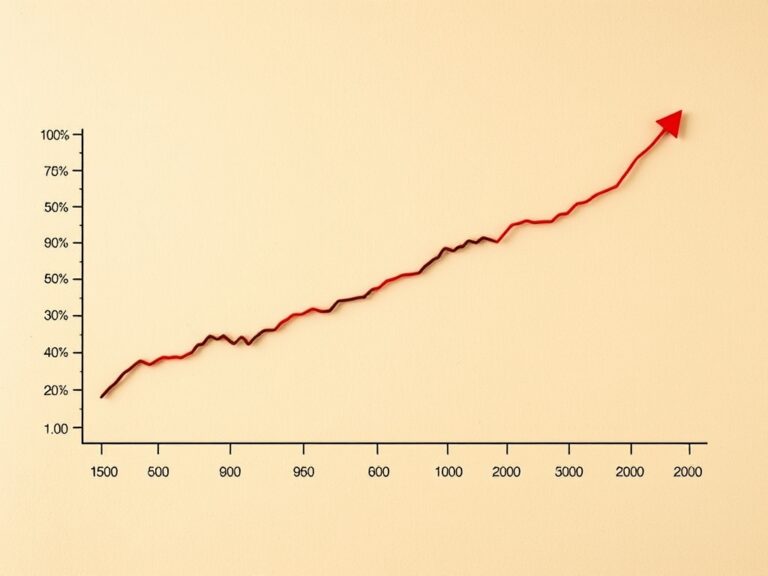
One of the biggest traps for new investors is confusing market noise with actual economic trends. Noise is that daily chatter—a single tweet, a small dip in trading, or a temporary supply chain hiccup—that really doesn’t change the long-term outlook. Trends, on the other hand, are persistent shifts in data that indicate a deeper change in the economic landscape. To distinguish the two, you must learn to look at moving averages rather than daily price fluctuations.
- Focus on quarterly reports rather than daily updates.
- Ignore short-term speculation based on emotional headlines.
- Watch for recurring patterns across multiple economic sectors.
By keeping your focus on the big picture, you avoid the trap of ‘panic-selling’ when the market hits a momentary bump in the road. Investing is a marathon, not a sprint, and understanding the difference between a passing storm and a climate shift is crucial for your success. Stay patient, stay observant, and don’t let the short-term volatility cloud your judgment of the broader economic environment.
Putting It All Together: Your Strategy for Success
Now that you have a better grasp of the indicators, how do you actually apply this to your own financial plan? The secret is to keep your strategy simple: diversification and consistency. Don’t try to time the market based on every news cycle; instead, use these indicators as a check-up to ensure your asset allocation still aligns with your goals.
- Stay disciplined: Continue your investment contributions regardless of market sentiment.
- Stay diversified: Spread your investments across sectors that react differently to economic shifts.
- Stay educated: Regularly revisit core concepts like interest rates and fiscal policy.
Remember that even the smartest analysts get things wrong sometimes, so relying on your own rational analysis is much safer than following the ‘herd mentality’ of social media. By staying grounded in the data, you can build a resilient portfolio that withstands economic ups and downs. Keep tracking those indicators, keep learning, and trust that the time you invest in your financial literacy today will pay significant dividends in your future security. You have the tools, so start monitoring the trends with confidence!