
Market Movements and Economic Indicators: A Simple Plain-English Guide
Understanding Market Movements: The Basics
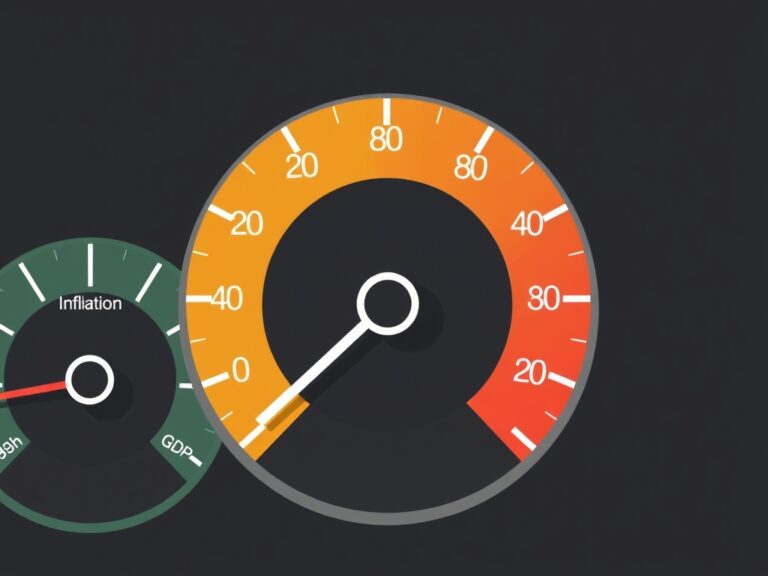
Have you ever looked at the stock market news and felt like you were watching a language you don’t speak? Don’t worry, you aren’t alone; market movements can seem like a wild roller coaster, but they are driven by predictable factors. At its core, the market is just a giant exchange of supply and demand, influenced heavily by economic indicators. Think of these indicators as the dashboard of a car, showing you how fast the engine of the economy is running. When investors see positive data, confidence rises and prices often follow. Conversely, bad news can cause a sell-off as people scramble to protect their wealth. It’s essential to realize that price changes aren’t random; they are emotional and logical reactions to information. By learning to read these signals, you can move from being a spectator to an informed participant. Let’s break down how this works so you can navigate the financial landscape with confidence.
The Big Three: Key Economic Indicators
To really understand what’s moving the needle, you need to track the major economic indicators that central banks and institutions monitor religiously. First, we have GDP (Gross Domestic Product), which is essentially the total scorecard of how much a country is producing. Second, look at Inflation (CPI/PCE), which measures how much your money is losing or gaining in purchasing power over time. Third, the Unemployment Rate tells us how many people are active in the workforce and earning a paycheck. When you combine these three, you get a clear picture of economic health:
- Growth: High GDP and low unemployment suggest a booming market.
- Stability: Moderate inflation indicates a healthy, growing economy.
- Risk: High inflation and rising unemployment are red flags that might trigger a market downturn.
Each of these reports creates a ripple effect that touches every asset class. Understanding these enables you to predict potential shifts before they fully materialize in your portfolio.
Interest Rates and the Central Bank
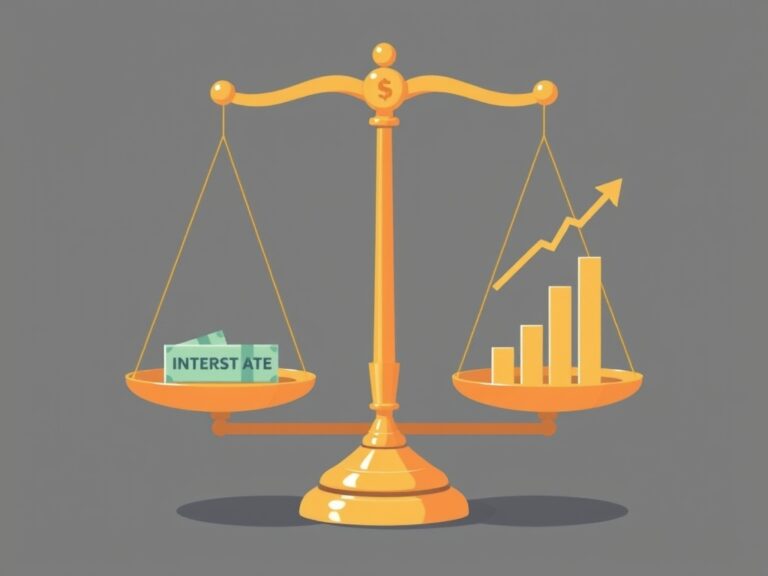
If the economy is a car, interest rates set by the Federal Reserve are the brake and the gas pedal. When the economy is overheating, the Fed raises rates to cool down inflation, which usually makes borrowing money more expensive for businesses and consumers. As a result, companies might slow down their expansion, which can lead to a market correction or temporary stagnation. On the flip side, when the economy is struggling, the Fed lowers rates to encourage spending and investment. You should pay close attention to the Federal Open Market Committee (FOMC) meeting minutes, as their language often hints at future policies. Investors often trade based on ‘expectations’ rather than actual changes, meaning the market is essentially playing a game of chess with the Fed. Stay alert to these meetings, as they are often the biggest catalysts for short-term market volatility. By grasping this dynamic, you can better time your own financial decisions.
Putting It All Together: Your Strategy
Now that you know how the pieces fit, how do you actually use this information? The secret is to avoid panicking over daily market noise and focus on the long-term trends defined by these indicators. Instead of reacting to every single headline, look at how the economic indicators are trending over months or quarters. Diversification remains your best defense against unexpected market movements because it spreads your risk across different sectors. Remember that smart investing is a marathon, not a sprint, and these indicators are just guideposts, not crystal balls. You should prioritize staying informed, keeping your emotions in check, and sticking to a well-researched financial plan. By cultivating this mindset, you insulate yourself from the fear-based trading that causes many beginners to lose money. Finally, always consult with a professional if you feel unsure about how specific economic shifts might impact your unique goals. You have the power to master these concepts and build a resilient investment portfolio for the future!