
Economic Indicators and Market Movements Explained in Plain English
Understanding Economic Indicators: The Market’s Pulse
Have you ever wondered why the stock market suddenly takes a nosedive or why prices at your local grocery store seem to climb overnight? Economic indicators are essentially the vital signs of our global economy, acting as report cards that tell us if things are heating up or cooling down. When we talk about market movements, we are really just observing how investors react to these signals, which often behave like a complex game of dominoes. Whether it is a report on inflation or a snapshot of unemployment numbers, these data points influence everything from your retirement portfolio to the interest rate on your next loan. By learning to decode these indicators, you can stop feeling like a spectator and start understanding the financial trends that shape your daily life. Think of this guide as your personal roadmap to navigating the often intimidating landscape of Wall Street logic, explained in plain, simple English. We will break down the complexity into manageable pieces, ensuring you feel confident discussing macroeconomics at your next dinner party. It is not about being an expert; it is about being informed and observant of the world around you.

The Big Three: GDP, Inflation, and Employment
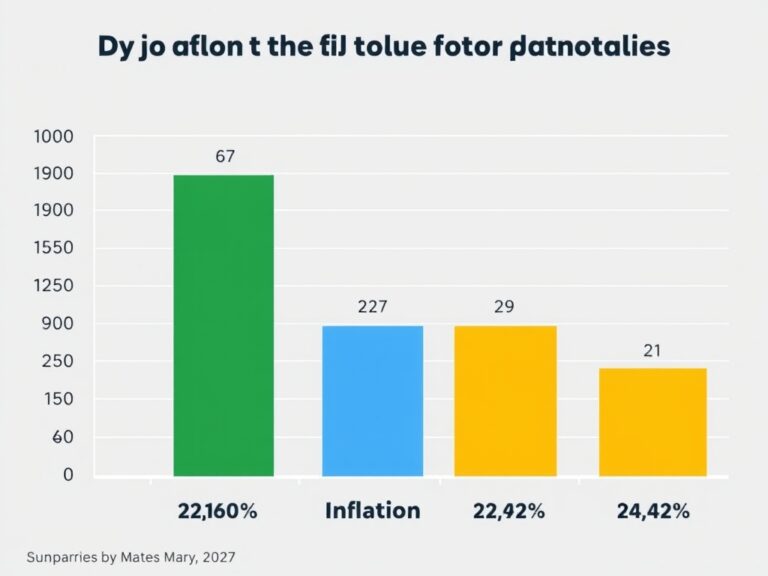
To really get a handle on the economy, we need to focus on the ‘Big Three’ metrics that move the needle more than anything else. First, Gross Domestic Product (GDP) is simply the total value of all goods and services produced in a country, acting as a broad measure of economic health. If GDP is growing, businesses are generally hiring and consumers are spending, which is often a bullish signal for stocks. Second, we have Inflation, typically measured by the Consumer Price Index (CPI), which tracks the rising cost of everyday items. High inflation can be a double-edged sword, as it often prompts central banks to raise interest rates to cool things down. Finally, the unemployment rate is the clearest indicator of how the labor market is holding up. A low unemployment rate suggests a strong economy, but it can also lead to wage growth that fuels further inflation. Understanding these three pillars allows you to anticipate market volatility rather than just reacting to it. When these indicators align, the market tends to move with predictability, but when they clash, expect a bumpier ride for investors and businesses alike.
How Central Banks Pull the Strings
Perhaps no entity has more influence over market movements than the central bank, such as the Federal Reserve in the United States. They hold the power to adjust the federal funds rate, which is essentially the base cost of borrowing money for the entire economy. When the economy is sluggish, they might lower rates to encourage borrowing and spending, which acts like a shot of adrenaline to the stock market. Conversely, if the economy is growing too fast and inflation is rising, they raise rates to slow down the spending cycle and maintain stability. This balancing act is known as monetary policy, and it is a massive driver of how investors allocate their assets. You might see the market react instantly to a Federal Reserve announcement because interest rates dictate the ‘discount rate’ for company valuations.
- Lower rates make stocks more attractive.
- Higher rates can pressure tech and growth companies.
- Fixed-income investments become more competitive when rates rise.
By keeping an eye on central bank rhetoric, you gain a massive advantage in predicting future market sentiment. It is truly the most powerful lever in the financial machine.

Putting It All Together: Becoming a Savvy Observer
Now that you have a grasp on the key indicators and the role of monetary policy, how do you actually apply this to your own financial journey? The most successful investors do not obsess over every single headline; instead, they look for macro trends that signal a fundamental shift in the economy. It is important to remember that markets are forward-looking, meaning they often ‘price in’ expected economic data before the reports are even released. This is why you might see stocks fall even on ‘good’ news—the market might have been expecting something even better. Stay patient, focus on your long-term goals, and remember that volatility is simply the price of admission for long-term growth. Use tools like news aggregators to keep a pulse on the data, but always filter information through the lens of your personal financial strategy. Avoid the temptation to panic sell during temporary corrections, as these are often just the market processing new information. Keep learning, stay curious, and you will find that the mysterious world of market movements becomes much clearer and less intimidating over time. Your journey toward financial literacy starts with these small, consistent steps of observation and analysis.