

7 Essential Foundational Concepts for Building Long-Term Wealth
Have you ever wondered why some people seem to build massive wealth effortlessly while others remain stuck in a paycheck-to-paycheck cycle? The secret doesn’t lie in luck or an inherited fortune; instead, it is rooted in mastering a few fundamental principles of personal finance. Building long-term wealth is a marathon, not a sprint, and it begins with understanding the magic of compound interest. Often referred to as the eighth wonder of the world, compound interest is the process where your earnings earn earnings. When you reinvest your returns, your money starts working for you, creating a snowball effect that grows exponentially over time. To leverage this, you must start early, as time is the most valuable asset you have in the wealth-building journey. Imagine planting a seed today and watching it grow into a massive oak tree over decades; that is exactly how your initial investments behave. For instance, let us look at key actions:
- Time Horizon: The longer your money remains invested, the more dramatic the compounding effect becomes.
- Reinvestment: Always opt to automatically reinvest dividends and interest to maximize growth.
- Consistency: Small, regular contributions will outpace large, sporadic investments over the long haul.
By committing to consistent saving and investing today, you set a rock-solid foundation for future financial freedom. Let’s explore how we can turn this compounding momentum into a robust, life-changing financial strategy. After all, the best time to start was ten years ago, but the second best time is right now.

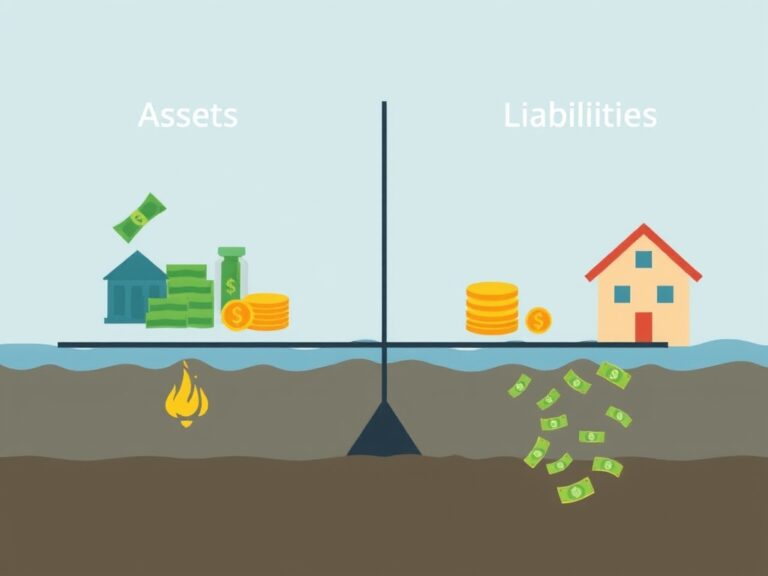
To keep the wealth-building momentum going, you must master the distinction between assets and liabilities. Rich dad advisor Robert Kiyosaki popularized a simple definition: assets put money in your pocket, while liabilities take money out. Many people struggle financially because they buy liabilities disguised as assets, such as expensive cars or high-maintenance luxury items. To build real wealth, your primary goal should be to systematically acquire income-generating assets like stocks, real estate, and businesses. This brings us to the next crucial concept: the golden rule of personal finance, which is to ‘pay yourself first.’ Instead of saving what is left over after spending, you should save and invest a set percentage of your income the moment you get paid. To implement this seamlessly, consider these strategies:
- Automate Savings: Set up automatic transfers to your investment accounts on payday so you never even see the money.
- Track Cash Flow: Know exactly where your money goes by categorizing monthly expenses periodically.
- Minimize Bad Debt: Avoid high-interest consumer debt that actively drains your wealth-building capacity.
When you automate this process, you remove human error and emotional hesitation from your financial routine. Over time, these automated investments compile quietly in the background, transforming your lifestyle without causing immediate financial strain. Remember, wealth is not determined by how much money you make, but by how much money you keep and put to work. Aligning your spending with your long-term goals is the ultimate catalyst for permanent financial transformation.
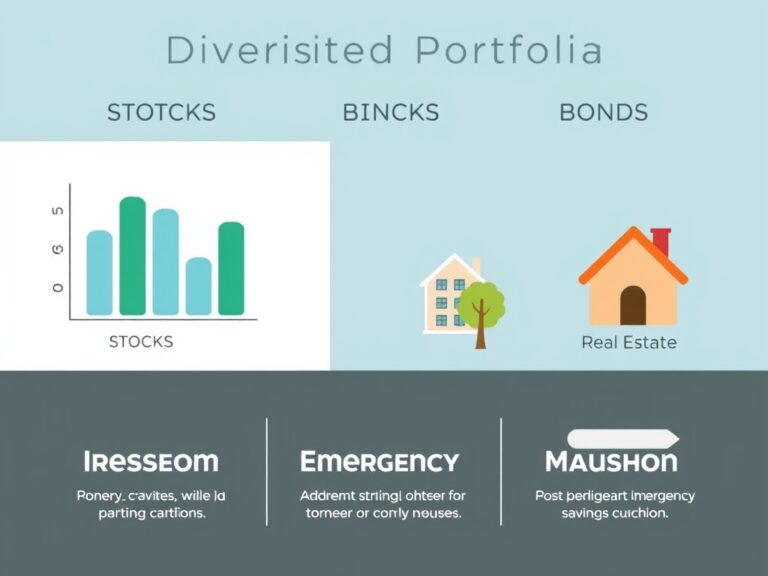
Once you begin accumulating assets, protecting your capital becomes just as important as growing it. This is where the foundational concept of diversification enters the picture, serving as your ultimate shield against market volatility. You have likely heard the old adage, ‘Don’t put all your eggs in one basket,’ and this is especially true in investing. By spreading your money across different asset classes—such as equities, bonds, real estate, and even cash—you minimize the risk of a single market crash wiping you out. Alongside diversification, you must establish a bulletproof emergency fund to protect your long-term investments from untimely liquidations. Life is inherently unpredictable, and having three to six months of living expenses tucked away in a high-yield savings account is vital. Without this safety net, a sudden medical emergency or job loss might force you to sell your investments at a loss. To secure your financial framework, prioritize these fundamental steps:
- Asset Allocation: Adjust your portfolio mix based on your age, risk tolerance, and long-term financial objectives.
- Liquidity: Ensure your emergency fund is easily accessible and not tied up in volatile or illiquid markets.
- Debt Strategy: Prioritize paying off high-interest toxic debts, like credit cards, before aggressively investing.
Think of your emergency fund as the financial shock absorber that keeps your wealth journey running smoothly. By mitigating risks on both sides, you build a resilient financial fortress that can weather any economic storm. Secure your foundation first, and the tower of your long-term wealth will stand strong for decades to come.
Ultimately, the most powerful asset you will ever own and control is the one staring back at you in the mirror. Investing in yourself through continuous learning, skill acquisition, and health preservation yields the highest return on investment (ROI) possible. Expanding your knowledge base increases your earning capacity, allowing you to funnel more capital into your investment engine. However, all these technical strategies are useless without the final foundational concept: developing a disciplined, long-term mindset. Wealth creation is an emotional game, and the ability to stay calm during market downturns is what separates successful investors from the rest. Avoid the temptation of ‘get-rich-quick’ schemes, which almost always lead to financial ruin and missed opportunities. Real wealth is built slowly, steadily, and boringly over years of consistent, intentional habits. To ensure your mind is aligned with your financial targets, adopt these core rules:
- Earning Potential: Boost your income by reading books, attending seminars, and learning high-income digital skills.
- Emotional Discipline: Ignore daily market noise and stick to your predetermined investment strategy during volatility.
- Goal Setting: Clearly define your financial freedom number so you know exactly what you are working toward.
When you shift your perspective from short-term gratification to generational wealth creation, your daily financial decisions become effortless. Believe in the system you have built, keep your eyes on the horizon, and let compound interest do the heavy lifting. Your future self will look back and thank you immensely for the disciplined choices you are making today.