Decoding the Markets: A Plain English Guide to Recent Economic Movements and Indicators
📈 Demystifying the Market: Your Personal Economics Translator
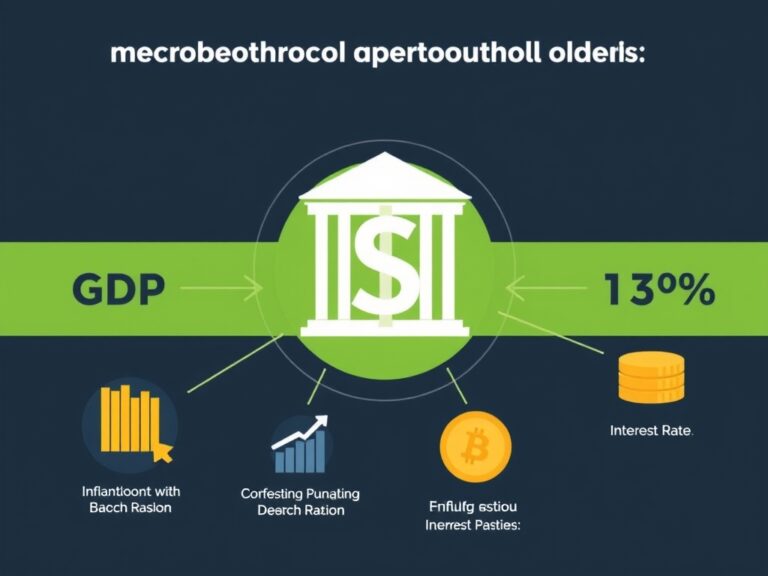
Have you ever watched the financial news and felt like you were trying to read a foreign language? Between talks of bond yields, inflation rates, and GDP contractions, it’s easy to tune out, but understanding these concepts is actually the secret key to securing your financial future. Today, we are going to break down these complex terms into plain English so you can navigate the market with confidence. The economy isn’t just an abstract concept; it directly impacts your purchasing power, job security, and investment returns. When you learn to read the signs, you can make smarter decisions about buying a home, investing in stocks, or even asking for a raise. Let’s embark on this journey together to demystify how money flows across the globe and what it means for you. By the end of this guide, you will view market news not as a chore, but as an exciting puzzle that you finally know how to solve. So, grab a cup of coffee, and let’s dive into the fascinating world of economic indicators! We will explore how everything is interconnected, from the interest rates set by central banks to the prices you pay at the grocery store. Think of this as your ultimate roadmap to financial literacy, designed specifically for everyday investors who want expert-level insights without the academic jargon. Let’s start with the big picture by looking at the core indicators we’ll discuss:
- Gross Domestic Product (GDP): The ultimate economic scorecard.
- Inflation & Consumer Price Index (CPI): The measure of your shrinking dollar.
- Interest Rates: The cost of borrowing money.
Understanding these three pillars will instantly elevate your financial intelligence.
🇺🇸 Gross Domestic Product (GDP): The Ultimate Economic Scorecard
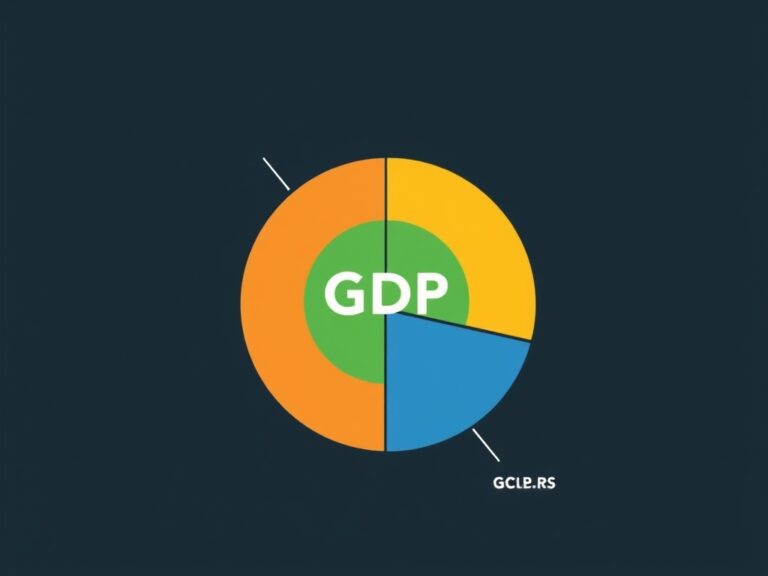
When economists want to check the health of a country, the first pulse they take is Gross Domestic Product (GDP). In simple terms, GDP represents the total dollar value of all goods and services produced within a country’s borders over a specific period. Think of it as the ultimate economic report card that tells us whether the economy is growing, stagnating, or shrinking. When businesses are thriving, hiring workers, and selling more products, GDP goes up, which is generally a sign of a healthy economy. Conversely, if GDP shrinks for two consecutive quarters, we enter what economists call a technical recession. For everyday consumers, a growing GDP translates to more job opportunities, wage growth, and a booming stock market. However, a supercharged GDP can sometimes lead to an overheated economy, sparking inflation. By keeping an eye on quarterly GDP reports, you can get a sense of whether it is a good time to expand your business or play it safe. To help you visualize, here is how GDP is typically broken down into four main components:
- Consumption: Personal spending by citizens on goods and services, which is the biggest driver.
- Investment: Business spending on equipment, structures, and residential construction.
- Government Spending: Money spent by federal, state, and local governments on public goods.
- Net Exports: Exports minus imports, representing foreign trade balance.
Tracking these components helps experts pinpoint exactly which sectors are driving our economic engine. Ultimately, GDP acts as the foundation upon which all other economic indicators build their narratives. When you understand GDP, you understand the momentum of the entire financial landscape.
🔥 The Heat of Inflation: Why Your Dollar Buys Less Today
Next up on our economic tour is the notorious concept of inflation, which has been making major headlines recently. Simply put, inflation is the rate at which the general level of prices for goods and services is rising, subsequently eroding your purchasing power. To measure this, economists rely heavily on the Consumer Price Index (CPI), which tracks the average change over time in prices paid by urban consumers for a market basket of consumer goods. When CPI spikes, it means you are paying more for the same gallon of milk, gallon of gas, or haircut than you did last year. While a small, predictable amount of inflation (typically around 2% per year) is considered normal for a growing economy, runaway inflation can devastate households. It acts as a hidden tax, silently reducing the value of your savings accounts if your interest rates don’t keep pace. To combat this, you must understand the two primary drivers behind inflation:
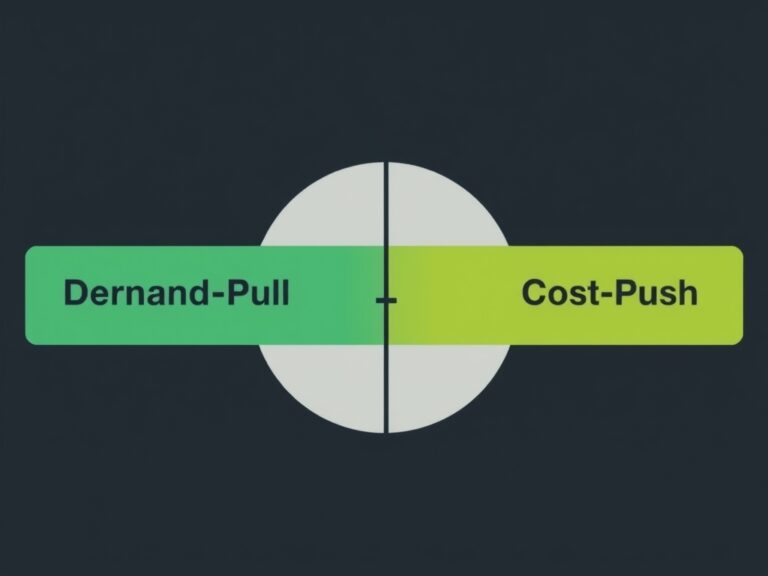
- Demand-Pull Inflation: Occurs when consumer demand grows faster than the economy’s supply capacity, bidding prices up.
- Cost-Push Inflation: Happens when aggregate supply of goods decreases due to rising costs of raw materials or wages.
Understanding CPI trends allows you to adjust your personal budget and pivot your investment strategy toward assets that act as inflation hedges. For instance, investing in real estate or commodities can help preserve your wealth when cash is losing its value. Keep a close eye on the monthly CPI releases, as they dictate major policy decisions. By staying informed, you can proactively hedge your portfolio rather than reacting to price hikes after they occur. In essence, inflation is the thermometer of the economy, indicating when things are getting a little too hot.
🏦 Interest Rates and the Federal Reserve: Steering the Economic Ship
When inflation runs wild, who comes to the rescue? That role belongs to central banks, like the Federal Reserve in the United States, which use interest rates as their primary steering wheel. Think of interest rates as the cost of borrowing money; when rates are low, borrowing is cheap, encouraging businesses and consumers to take out loans and spend. This boosts economic activity but, as we learned, can also lead to high inflation. To cool things down, the Fed will raise interest rates, making credit cards, car loans, and mortgages more expensive. This deliberate slowdown is designed to curb spending, bring demand back in line with supply, and lower inflation. For everyday citizens, high interest rates mean you will pay more to borrow, but you will also earn a higher yield on your savings accounts and certificates of deposit. Finding the perfect balance is a delicate tightrope walk because raising rates too fast can trigger a recession, while raising them too slowly can let inflation run rampant. As an investor, tracking Fed meetings and rate decisions is absolutely critical because they shift market dynamics almost instantly. This dynamic explains why Wall Street reacts so dramatically to every single word spoken by the Fed Chairman during press conferences. Essentially, the central bank holds the keys to the liquidity faucet, adjusting the flow of money to keep the economic engine running smoothly. Here are a few ways interest rate hikes impact different asset classes:
- Bonds: When interest rates rise, existing bond prices typically fall.
- Stocks: Higher borrowing costs can squeeze corporate profits, often leading to stock market volatility.
- Real Estate: Rising mortgage rates dampen buyer demand, cooling down hot housing markets.
By anticipating these shifts, you can position your portfolio to weather any interest rate environment.
💼 The Labor Market and Your Strategic Path Forward
Finally, we cannot talk about the economy without analyzing the labor market, which is the ultimate backbone of consumer spending. Indicators like the unemployment rate and monthly non-farm payrolls tell us how many people are successfully finding work and earning a living. When the job market is tight and unemployment is low, consumers feel secure, spend more money, and drive economic growth. However, a tight labor market also forces employers to raise wages to attract talent, which can feed back into the inflation cycle. Conversely, rising unemployment signals economic distress, prompting consumers to cut back on discretionary spending. By combining your knowledge of GDP, inflation, interest rates, and employment, you now possess a holistic view of how the economic machine functions. Instead of feeling overwhelmed by financial headlines, you can now analyze them to make proactive decisions for your retirement accounts, career moves, and personal investments. Remember, economic cycles are completely normal, and every downturn is eventually followed by a period of recovery and expansion. Staying educated and adaptable is your greatest asset in this ever-changing financial landscape. The most successful investors are not those who predict the future, but those who are prepared for any economic climate. By understanding how these indicators connect, you transition from a passive bystander to an active manager of your financial destiny. To succeed over the long term, consider focusing on these strategic habits:
- Diversification: Never put all your financial eggs in one single basket.
- Continuous Learning: Keep reading, asking questions, and refining your financial literacy.
- Emotional Discipline: Avoid making impulsive investment decisions based on short-term market panic.
Armed with this plain English guide, you are now fully equipped to decode the markets and secure your financial future!